Read on nature.com
Unlocking the Secrets of Ancient Roman Concrete: New Insights from Pompeii
Recent archaeological discoveries at Pompeii are shedding new light on the remarkable durability of ancient Roman concrete. This article explores the scientific insights revealed by a unique site, explaining how Roman builders created structures like the Pantheon's dome that have withstood millennia. We examine the composition and techniques that gave Roman concrete its legendary longevity, offering lessons for modern sustainable construction.
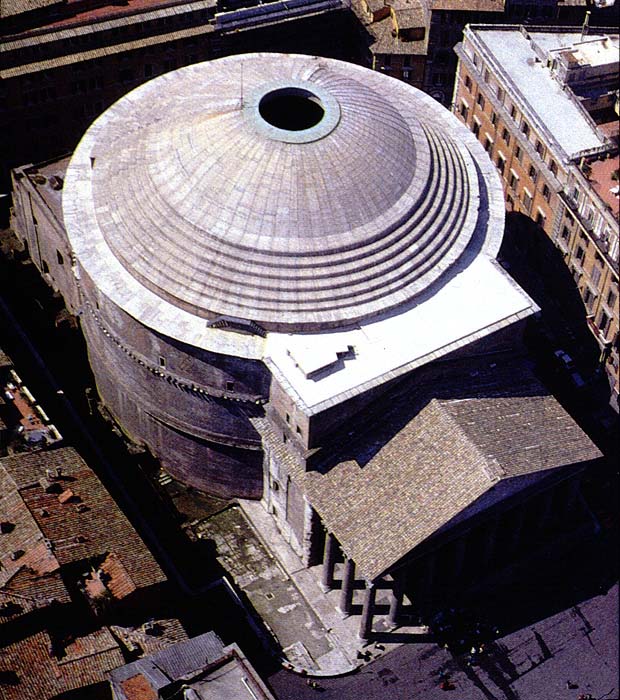
For centuries, the architectural marvels of ancient Rome have captivated historians, engineers, and tourists alike. Structures like the Pantheon's massive unreinforced concrete dome, built in the second century AD and still standing today, represent engineering achievements that modern science is only beginning to fully understand. A recent archaeological discovery at Pompeii, Italy, is providing unprecedented insights into the secrets behind these peculiarly durable Roman building materials. This article explores what researchers are learning about Roman concrete technology and why it matters for both historical understanding and contemporary construction.
The Pompeii Discovery: A Window into Ancient Technology
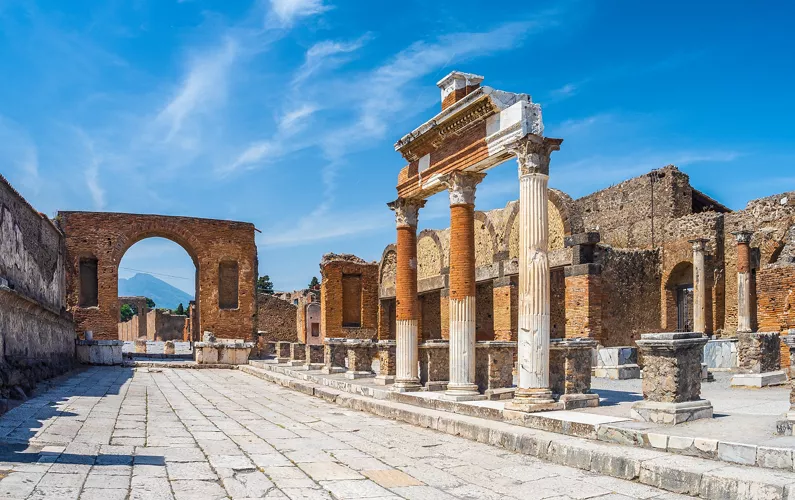
The archaeological site at Pompeii represents a unique time capsule of Roman life and technology, preserved by the catastrophic eruption of Mount Vesuvius in 79 AD. Recent excavations have revealed particularly well-preserved examples of Roman concrete construction, allowing researchers to analyze the materials in their original context. Unlike modern concrete, which often deteriorates within decades when exposed to environmental stresses, Roman concrete structures have demonstrated remarkable longevity, with some surviving for nearly two thousand years.
Researchers examining these Pompeii samples have identified several key characteristics that contribute to the material's durability. The concrete contains a complex mixture of volcanic ash, lime, and aggregate that creates chemical reactions continuing for centuries. These ongoing reactions actually strengthen the material over time rather than weakening it, a property that modern concrete lacks. The discovery provides physical evidence supporting theories about Roman construction techniques that were previously based on historical texts and limited sample analysis.
The Science Behind Roman Concrete's Longevity
Roman concrete's exceptional durability stems from its unique chemical composition and the Romans' sophisticated understanding of material properties. According to research highlighted in Nature, the material contains specific volcanic components that create self-healing properties when cracks form. The inclusion of volcanic ash from regions like Pozzuoli created a reactive aluminosilicate material that continues to form strengthening crystals long after initial setting.
This contrasts sharply with modern Portland cement-based concrete, which relies on different chemical processes and lacks these self-reinforcing properties. Modern concrete typically weakens over time due to chemical reactions with water and environmental contaminants, while Roman concrete actually becomes more resistant to such degradation. The Pompeii samples provide concrete evidence (literally) of how Roman builders optimized their materials for specific environmental conditions and structural requirements.
Lessons for Modern Construction
The insights gained from studying Roman concrete at Pompeii have significant implications for contemporary building practices. As noted in the Nature article, understanding these ancient techniques could inform the development of more sustainable and durable modern construction materials. Researchers are particularly interested in how Roman concrete's self-healing properties might be replicated in contemporary materials to extend infrastructure lifespan and reduce maintenance costs.
Beyond material science, the Roman approach represents a holistic understanding of construction that integrated locally available materials with sophisticated engineering principles. Their concrete wasn't just a generic product but was tailored to specific applications—different mixtures for underwater structures, roads, and monumental buildings. This contextual approach to material selection and formulation offers valuable lessons for sustainable construction practices today.
Conclusion: Bridging Ancient Wisdom and Modern Science
The ongoing research at Pompeii demonstrates how archaeological discoveries continue to inform our understanding of ancient technologies. Roman concrete represents a remarkable achievement in material science that modern researchers are still working to fully comprehend and potentially adapt for contemporary use. As we face growing challenges related to infrastructure durability and sustainability, looking to the past may provide unexpected solutions for the future. The secrets preserved in Pompeii's ruins remind us that sometimes the most advanced technologies aren't the newest ones, but those that have stood the test of time—quite literally, in the case of Roman concrete.