Appeals Court Rules on National Guard Deployment in Illinois
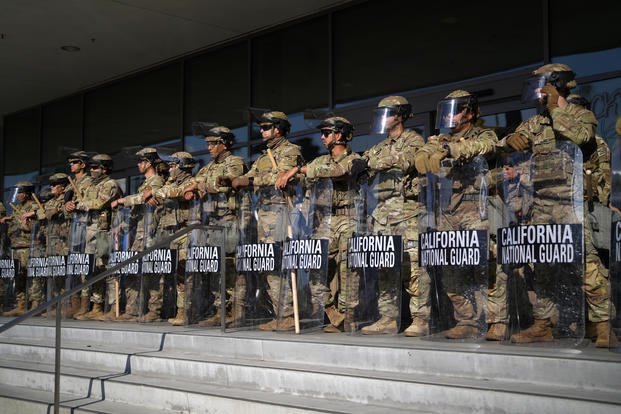
A federal appeals court has ruled that National Guard troops sent to Illinois by President Donald Trump can remain in the state under federal control but cannot be deployed for protective duties or patrol operations. The decision comes after legal challenges questioned the necessity of the deployment during Trump's immigration enforcement actions, with the court finding insufficient evidence of rebellion danger in Illinois.
A federal appeals court has issued a significant ruling regarding the deployment of National Guard troops to Illinois, creating a temporary compromise in the ongoing legal battle over presidential authority and state sovereignty. The decision represents a nuanced approach to the complex constitutional questions surrounding military deployment for domestic law enforcement purposes.

Court Ruling Details
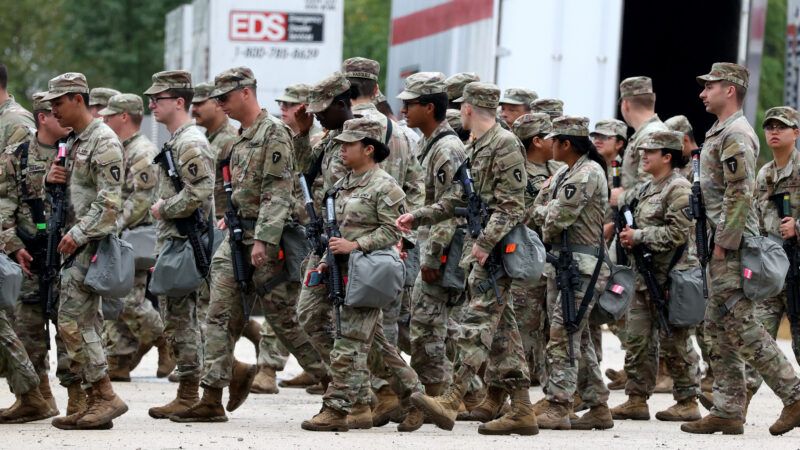
The appeals court determined that while the approximately 500 National Guard members from Texas and Illinois can remain in the state under federal control, they cannot be deployed to protect federal property or conduct patrol operations for the time being. This ruling came after federal Judge April Perry had previously blocked the National Guard deployment entirely for at least two weeks, finding no substantial evidence that a "danger of rebellion" existed in Illinois during President Trump's immigration crackdown.
Legal and Constitutional Context
The legal dispute centers on the Insurrection Act, which allows a president to dispatch active duty military when states fail to put down an insurrection or defy federal law. However, Judge Perry's opinion cited historical documents including the Federalist Papers and emphasized that "there has been no showing that the civil power has failed." The judge noted that agitators who violated laws had been arrested, courts remained open, and federal agents had documented "huge increases in arrests and deportations" without military assistance.
Political Implications
This case represents part of a broader political and legal conflict over President Trump's efforts to deploy the National Guard to multiple U.S. cities. The administration has claimed crime is rampant in these locations, though statistical evidence doesn't always support these assertions. The appeals court has granted a pause in the case until it can hear further arguments, indicating the legal questions remain unresolved.
Deployment Locations
The National Guard members were primarily stationed at a U.S. Army Reserve Center in Elwood, southwest of Chicago, with a smaller contingent sent to a U.S. Immigration and Customs Enforcement building in Broadview. The court's ruling maintains their presence at these locations but restricts their operational capabilities while legal proceedings continue.
The appeals court decision represents a temporary resolution in the ongoing constitutional debate about presidential authority to deploy military forces for domestic law enforcement. By allowing troops to remain but restricting their operational deployment, the court has created a compromise position that acknowledges both federal authority and constitutional limitations. The case continues to highlight the delicate balance between national security concerns and the traditional separation between military and civilian law enforcement in the United States.