Saskatchewan Orthopedic Surgeon Calls for Gaza Aid Resumption and Canadian Arms Embargo
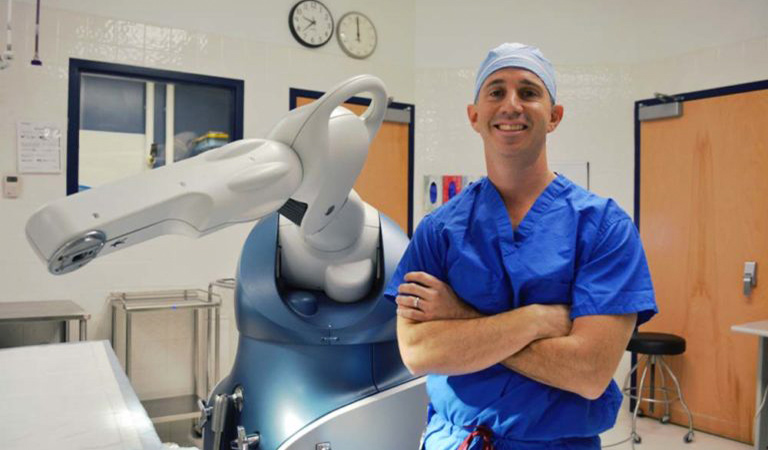
A Canadian orthopedic surgeon from Saskatchewan is advocating for the immediate resumption of humanitarian aid to Gaza and urging Canada to implement a comprehensive two-way arms embargo. The medical professional emphasizes the critical need for medical supplies and infrastructure support in conflict-affected regions, highlighting the devastating impact on civilian populations and healthcare systems.
In a compelling call to action, a Saskatchewan-based orthopedic surgeon is urging Canadian authorities to facilitate the meaningful resumption of humanitarian aid flow into Gaza while simultaneously advocating for a comprehensive two-way arms embargo. This medical professional's perspective brings crucial attention to the intersection of healthcare, humanitarian crises, and international policy decisions.
The Humanitarian Imperative
The surgeon's advocacy stems from firsthand understanding of medical infrastructure needs in conflict zones. Orthopedic care requires specialized equipment, sterile environments, and continuous medical supplies—all of which become critically scarce during prolonged conflicts. The call for aid resumption emphasizes that without immediate humanitarian assistance, preventable deaths and permanent disabilities will continue to escalate among civilian populations.
Two-Way Arms Embargo Proposal
The recommendation for a comprehensive two-way arms embargo represents a significant policy position. This approach would restrict both the export of Canadian weapons to conflict regions and the import of weapons from countries involved in the conflict. Such measures aim to reduce the overall availability of arms while demonstrating Canada's commitment to peaceful conflict resolution and humanitarian principles.
Medical Community's Role in Advocacy
Healthcare professionals increasingly recognize their responsibility to advocate for policies that affect population health beyond clinical settings. Surgeons and medical experts possess unique credibility when discussing the human cost of conflict, having witnessed the physical consequences of violence and the critical importance of medical infrastructure. Their voices add weight to calls for humanitarian protection and conflict prevention measures.
Canadian Policy Considerations
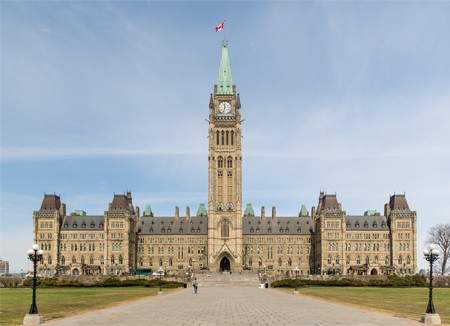
Canada's position on international conflicts requires careful balancing of humanitarian concerns, diplomatic relationships, and national interests. The surgeon's recommendations challenge policymakers to prioritize human welfare and medical needs in foreign policy decisions. This approach aligns with Canada's historical role as a peacekeeping nation and advocate for international humanitarian law.

The orthopedic surgeon's call to action from Saskatchewan highlights the critical role that medical professionals can play in shaping humanitarian policy. By advocating for both immediate aid resumption and comprehensive arms restrictions, this approach addresses both the symptoms and causes of humanitarian crises. As Canada continues to navigate complex international relationships, such expert recommendations provide valuable perspective on prioritizing human welfare in foreign policy decisions.