Read on Global News
Fire at COP30 Climate Summit Forces Evacuation in Brazil
A fire broke out at the COP30 UN climate summit in Belém, Brazil, prompting the evacuation of the entire conference venue on the next-to-last day of talks. The blaze spread through pavilions including the China Pavilion and nearby African pavilions, though officials confirmed no injuries were reported. The incident occurred despite ongoing construction at the summit venue, raising questions about safety protocols at major international climate conferences.
A significant fire disrupted the COP30 United Nations climate summit in Belém, Brazil, forcing the evacuation of the entire conference venue on Thursday, November 20, 2025. The blaze occurred during the critical final stages of the climate negotiations, casting uncertainty over the completion of scheduled talks and raising concerns about safety protocols at major international environmental conferences.

Incident Overview and Immediate Response
The fire originated near the China Pavilion within the health and science pavilion area, quickly spreading to adjacent structures including several African pavilions and a youth-focused pavilion. According to officials from The Associated Press, the incident prompted immediate evacuation orders from fire officials, though organizers confirmed the fire was brought under control and caused no injuries.
Brazil's Tourism Minister Celso Sabino confirmed the fire's origin point to journalists at the scene, while Para state Governor Helder Barbalho suggested the blaze may have started due to a generator failure or electrical short circuit in one of the exhibition booths. The timing proved particularly disruptive, occurring on the penultimate day of the conference when critical negotiations typically reach their most intensive phase.
Conference Venue Conditions
The COP30 summit venue had faced construction challenges throughout the conference period. Reports indicated that much of the facility remained under construction right up until the conference opening, with exposed beams, open plywood floors, and incomplete corridors visible throughout the convention center. During pre-summit events, drilling and jackhammering could be heard during official speeches, while workers in hardhats continued construction activities around unfinished pavilions shrouded in plastic.
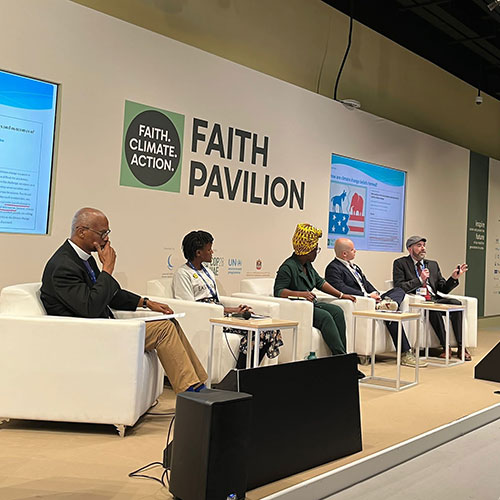
The pavilions affected by the fire were described as reinforced canvas or fabric structures typically featuring three walls and flooring. Video footage from the scene showed substantial flames engulfing one of these temporary structures, highlighting the rapid spread of the fire through the interconnected exhibition areas.
Impact on Conference Participants
Conference attendees and volunteers described scenes of confusion and concern as the evacuation unfolded. Gabi Andrade, a volunteer from host city Belém who had been working on accreditations for three weeks, reported being in the Singapore pavilion during her first free afternoon when the fire broke out. She described seeing black smoke and being guided to safety by security personnel while expressing concern about the incident's impact on Brazil's reputation as host nation.
The evacuation order affected thousands of delegates, negotiators, and observers attending the critical climate talks. While officials worked to assess damage and determine when talks might resume, participants expressed both relief at the absence of injuries and concern about the potential disruption to climate negotiation timelines.
Broader Implications for International Climate Conferences
The incident at COP30 raises important questions about safety standards and infrastructure preparedness for major international conferences, particularly those hosted in temporary or rapidly constructed facilities. Climate summits have grown increasingly complex in recent years, with expanding pavilion areas and side events running parallel to formal negotiations.
As climate conferences continue to attract larger numbers of participants and feature more elaborate exhibition spaces, the balance between accommodating growing interest and maintaining safety standards becomes increasingly important. The COP30 fire serves as a reminder of the logistical challenges involved in hosting global environmental summits and the importance of robust safety protocols.

Moving Forward
While the immediate focus remained on ensuring participant safety and assessing structural damage, conference organizers faced the additional challenge of determining how to proceed with the remaining scheduled negotiations. The incident occurred at a critical juncture in the climate talks, potentially affecting the timing and outcomes of final agreements.
The fire at COP30 underscores the complex interplay between environmental advocacy, international diplomacy, and practical event management. As the global community continues to address climate change through these high-stakes conferences, ensuring both the security of participants and the continuity of crucial negotiations remains paramount.