Light-Induced Material Transformation: Konstanz Breakthrough in Magnetic Control
Physicists at the University of Konstanz have developed a revolutionary technique that uses light pulses to fundamentally alter the magnetic properties of materials. By exciting pairs of magnons—quantum magnetic waves—researchers can reshape a material's magnetic 'fingerprint' without generating heat or requiring rare elements. This non-thermal manipulation enables data transmission at terahertz speeds and could unlock room-temperature quantum effects using common haematite crystals. The discovery represents a significant leap toward next-generation computing and quantum technologies.
In a development that challenges conventional understanding of material science, researchers at the University of Konstanz have achieved what many considered impossible: transforming the fundamental nature of matter using nothing but light. This groundbreaking technique allows scientists to manipulate materials at their most basic magnetic level, opening new possibilities for computing, data storage, and quantum research.
The Science Behind the Breakthrough
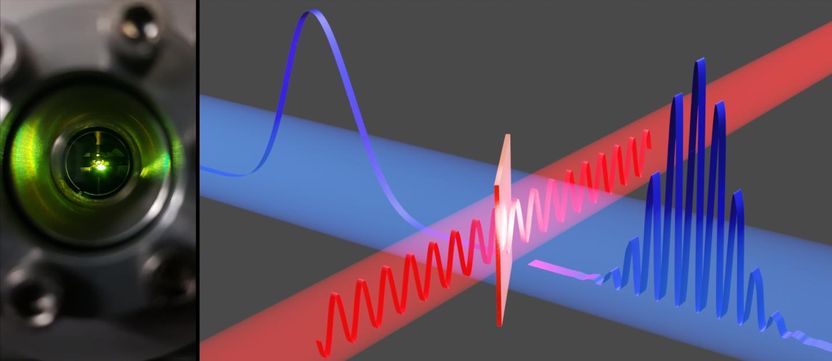
The key innovation lies in the manipulation of magnons—tiny magnetic waves that propagate through crystalline materials. Unlike previous methods that could only excite magnons at their lowest frequencies, the Konstanz team discovered how to directly excite pairs of magnons at the highest-frequency magnetic resonances within a material. This approach, led by physicist Davide Bossini, enables unprecedented control over a material's magnetic properties.
As Bossini explains, "Every solid has its own set of frequencies: electronic transitions, lattice vibrations, magnetic excitations. Every material resonates in its own way." The new technique allows researchers to influence precisely this set of frequencies, effectively changing what Bossini calls the "magnetic DNA" of the material.
Non-Thermal Control and Practical Applications
One of the most significant aspects of this discovery is its non-thermal nature. Traditional methods of manipulating materials often generate substantial heat, which can damage sensitive components and limit processing speeds. The Konstanz approach uses light rather than temperature to induce changes, making it ideal for high-speed applications.
The implications for information technology are profound. With the ability to transmit and store data at terahertz frequencies without heat buildup, this technology could help overcome current limitations in computing speed and efficiency. As data demands continue to grow through artificial intelligence and the Internet of Things, such innovations become increasingly critical.
Accessible Materials and Quantum Potential
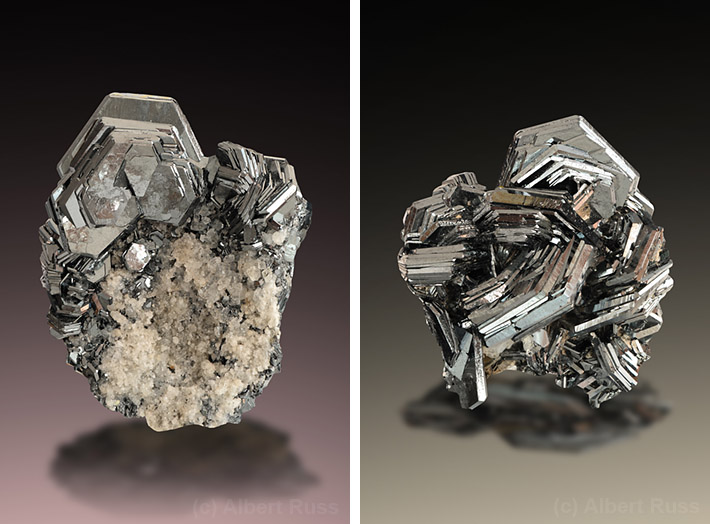
Remarkably, this advanced technique doesn't require exotic or rare materials. The researchers achieved their results using haematite—a common iron ore that has been used for centuries, notably in early compasses for navigation. This accessibility makes the technology particularly promising for widespread implementation.
Perhaps most exciting is the potential for room-temperature quantum effects. Typically, quantum phenomena require extreme cooling near absolute zero (-270°C), making them impractical for many applications. The Konstanz research suggests that their method could enable light-induced Bose-Einstein condensates of high-energy magnons at room temperature, potentially revolutionizing quantum research.
Future Implications
The discovery represents more than just a technical achievement—it fundamentally changes how we think about material manipulation. As the researchers note, their findings were completely unexpected, with no existing theory predicting such effects. This suggests that our understanding of light-matter interactions may need significant revision.
Looking forward, this technology could enable new forms of computing, advanced sensors, and quantum devices that operate efficiently at room temperature. The ability to temporarily transform materials into different states with specific properties opens possibilities for adaptive systems that can reconfigure themselves based on computational needs.
The research, conducted within the Collaborative Research Centre SFB 1432, demonstrates how fundamental physics research can lead to practical technological breakthroughs. As computing demands continue to outpace current capabilities, innovations like the Konstanz magnon manipulation technique may provide the foundation for the next generation of information technology.