Revolutionizing Cancer Detection: The Ultra-Sensitive Raman Imaging System
A groundbreaking imaging technology developed by researchers at Michigan State University promises to transform cancer diagnosis. By detecting ultra-weak light signals from specialized nanoparticles that bind to tumor markers, this compact Raman system can distinguish cancerous tissue from healthy cells with unprecedented sensitivity. Published in Optica, the system demonstrates four times greater sensitivity than comparable commercial tools, potentially enabling earlier tumor detection, faster screening, and reduced diagnostic delays. This innovation represents a significant step toward bringing advanced molecular imaging from research laboratories into practical clinical settings.
The landscape of cancer diagnosis stands on the brink of a significant transformation, driven by a novel imaging technology that detects the faintest biological whispers of disease. Researchers from Michigan State University's Institute for Quantitative Health Science and Engineering have developed a compact Raman imaging system with the remarkable ability to distinguish cancerous tissue from healthy cells by sensing ultra-weak light signals. This breakthrough, detailed in a study published in the journal Optica, leverages surface-enhanced Raman scattering (SERS) nanoparticles engineered to seek out and bind to specific tumor markers. The system's exceptional sensitivity—reportedly four times greater than existing commercial counterparts—positions it as a powerful tool to accelerate cancer screening, potentially leading to earlier detection and a faster journey from diagnosis to treatment.
The Core Technology: How It Works
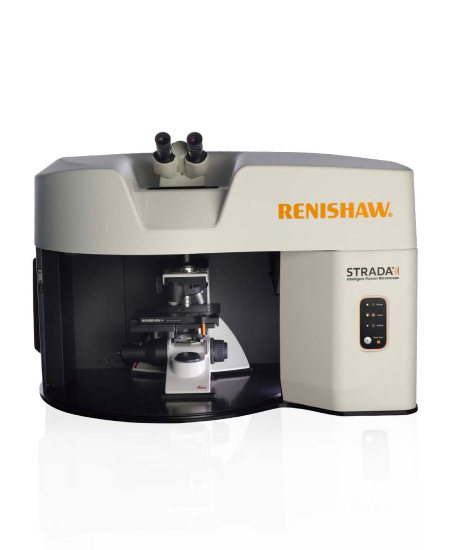
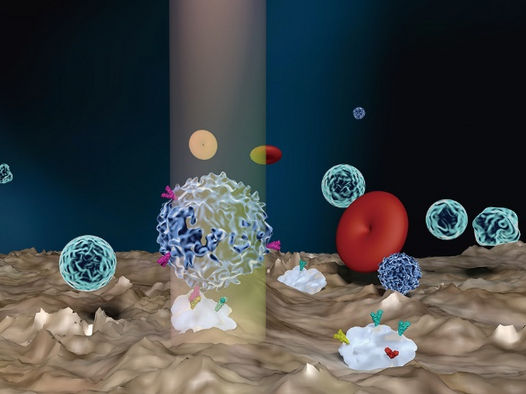
At the heart of this innovation is a sophisticated marriage of optical engineering and nanotechnology. The system functions by detecting the unique Raman scattering "fingerprint" of molecules. When SERS nanoparticles, coated with targeting molecules like hyaluronan acid, are applied to a tissue sample, they bind specifically to proteins such as CD44 found on the surface of many tumor cells. Once attached, these nanoparticles amplify the normally weak Raman signals from the tissue. The imaging system then scans the sample with a swept-source laser that changes wavelength during analysis. The critical component that unlocks unprecedented sensitivity is the superconducting nanowire single-photon detector (SNSPD), provided by industry collaborator Quantum Opus. This detector can capture individual particles of light (photons) with extremely high speed and minimal background noise, allowing it to measure Raman signals far fainter than those detectable by standard systems.

Advantages Over Traditional Diagnostic Methods
The new system addresses several key limitations of current cancer diagnostic pathways. Traditional histopathology, the gold standard for diagnosis, involves staining tissue samples and requiring a pathologist to manually examine them for abnormalities—a process that research team leader Zhen Qiu describes as "time-consuming and labor-intensive." While not intended to immediately replace pathology, this Raman imaging platform could serve as a rapid, automated screening tool. It automatically highlights regions of a sample that are more likely to contain tumor tissue based on the concentrated SERS signal, offering a significant contrast between cancerous and healthy areas. This capability could help prioritize samples for detailed pathological review, reduce human error in initial screening, and provide results in a much shorter timeframe.
Potential Impact and Clinical Translation
The implications for patient care are substantial. By enabling the detection of tumors at earlier stages, the technology could directly improve patient outcomes. Furthermore, its design facilitates miniaturization. The researchers envision the development of portable or even intraoperative devices. Such tools could be used by surgeons during procedures to improve the accuracy of biopsy sampling, ensuring that the most suspicious tissue is removed for analysis. They could also enable less invasive monitoring of disease progression over time. The platform's adaptability is another strength; by adjusting the targeting molecule on the nanoparticles, the method could be tailored to detect various cancer types beyond the breast cancer models used in the initial studies.
The Path Forward and Future Development
While the published results are promising, the research team acknowledges that additional work is necessary before the system can be deployed in clinical settings. Future efforts will focus on increasing the imaging readout speed and conducting more extensive validation studies across diverse cancer types and larger sample sets. The team is exploring faster laser sources, including vertical-cavity surface-emitting lasers (VCSELs), and investigating whether narrowing the laser's sweep range can further enhance performance. Another exciting avenue is multiplexing—using different nanoparticles that target multiple cancer biomarkers simultaneously within a single scan, which could provide a more comprehensive molecular profile of the tissue.
In conclusion, this ultra-sensitive Raman imaging system represents a significant leap forward in the quest for faster, more accurate cancer detection. By harnessing the power of superconducting detectors and targeted nanotechnology, it translates a complex laboratory technique into a platform with clear clinical potential. As development continues toward creating practical, user-friendly devices, this technology holds the promise of reducing diagnostic delays, guiding more precise interventions, and ultimately, saving lives through earlier intervention.