NU-9: A New Drug Targeting Alzheimer's Disease at Its Earliest Stage
Groundbreaking research from Northwestern University suggests Alzheimer's disease may begin decades before symptoms appear, driven by a newly identified toxic protein subtype. The experimental drug NU-9 has shown remarkable promise in mouse models by blocking this early damage and reducing brain inflammation when administered before cognitive decline begins. This preventive approach could fundamentally reshape Alzheimer's treatment strategies, moving intervention to the pre-symptomatic phase. The findings point toward a future where Alzheimer's might be managed like heart disease—with early detection and preventive medication.
Alzheimer's disease has long been considered a condition that reveals itself through memory loss and cognitive decline, but new research suggests the disease process begins silently decades earlier. A groundbreaking study from Northwestern University has identified a previously unknown toxic protein that appears to trigger Alzheimer's pathology long before symptoms emerge. More importantly, researchers have demonstrated that an experimental drug called NU-9 can block this early damage in mouse models, offering hope for a preventive approach to a disease that currently has no cure.

The Hidden Culprit: ACU193+ Amyloid Beta Oligomers
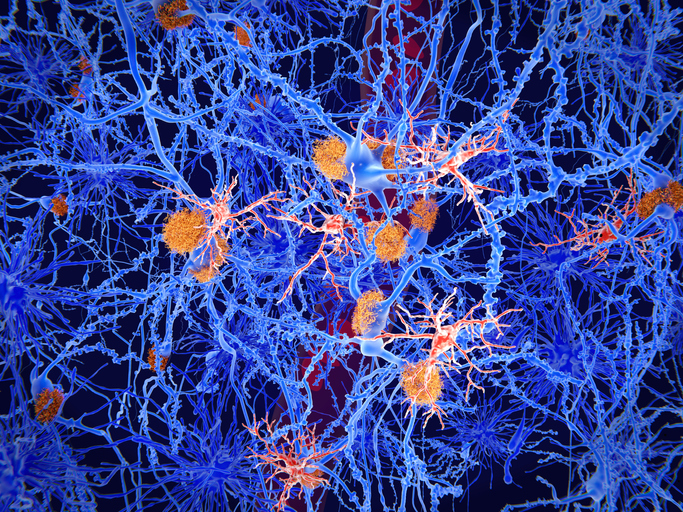
For decades, Alzheimer's research has focused on amyloid plaques and tau tangles that appear later in the disease process. However, the Northwestern team discovered a specific subtype of amyloid beta oligomers—toxic clusters of peptides—that appears much earlier. This subtype, called ACU193+ because it's detected by the ACU193 antibody, was found inside stressed neurons and on the surfaces of nearby astrocytes (star-shaped brain cells) during the pre-symptomatic phase.
According to the research published in Alzheimer's and Dementia: The Journal of the Alzheimer's Association, these ACU193+ oligomers appear to act as an instigator of early Alzheimer's pathology. When they latch onto astrocytes, they may trigger a cascade of inflammation that spreads throughout the brain. This discovery helps explain why many clinical trials targeting later-stage Alzheimer's have failed—they may be intervening too late in the disease process.
NU-9: A Preventive Approach to Alzheimer's
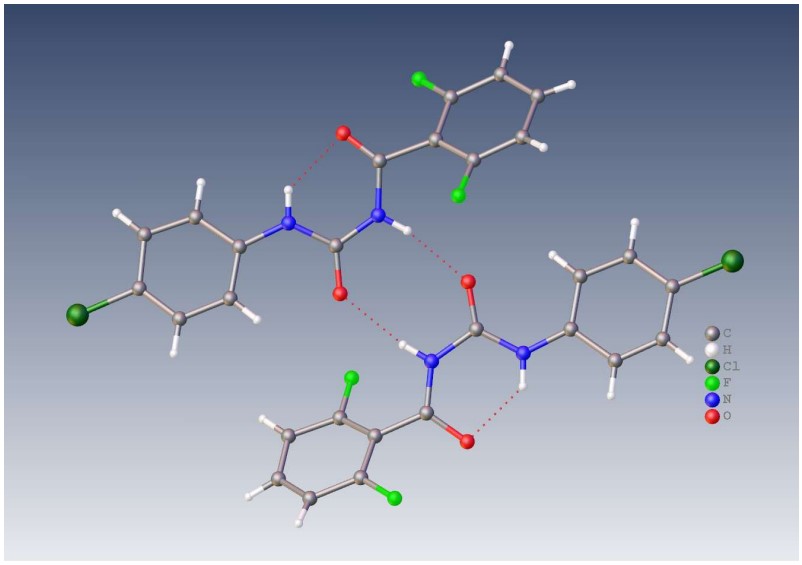
The experimental drug NU-9 represents a fundamentally different approach to Alzheimer's treatment. Developed by Northwestern chemist Richard Silverman—who previously invented pregabalin (Lyrica)—NU-9 is a small-molecule compound designed to prevent toxic protein buildup in neurodegenerative diseases. In the study, researchers administered NU-9 orally to pre-symptomatic mouse models of Alzheimer's for 60 days.
The results were striking. NU-9 significantly reduced early reactive astrogliosis, an inflammatory reaction that typically begins long before symptoms appear. The number of toxic amyloid beta oligomers bound to astrocytes plummeted, and abnormal TDP-43 protein—linked to cognitive impairments in neurodegenerative diseases—sharply decreased. The improvements spanned multiple brain regions, indicating a brain-wide anti-inflammatory effect.
Rescuing Cellular Defense Mechanisms
William Klein, a neurobiology professor at Northwestern and co-author of the study, explained the mechanism: "In both ALS and Alzheimer's disease, cells suffer from toxic protein buildup. Cells have a mechanism to get rid of these proteins, but it gets damaged in degenerative diseases like ALS and Alzheimer's. NU-9 is rescuing the pathway that saves the cell."
This approach addresses one of the fundamental problems in Alzheimer's—the failure of cellular cleanup mechanisms. By restoring these natural defense systems early in the disease process, NU-9 may prevent the cascade of toxic events that ultimately destroy neurons and lead to cognitive decline.
A Paradigm Shift in Alzheimer's Management
The researchers compare this preventive approach to how we currently manage heart disease. Richard Silverman noted: "Most people are used to monitoring their cholesterol levels. If you have high cholesterol, it doesn't mean that you will have a heart attack soon. But it's time to take drugs to lower your cholesterol levels to prevent that heart attack from happening down the road. NU-9 could play a similar role. If someone has a biomarker signaling Alzheimer's disease, then they could start taking NU-9 before symptoms appear."
This strategy depends on the development of reliable early diagnostic tests. Fortunately, several blood tests for early Alzheimer's detection are currently in development. William Klein added: "The promise of better early diagnostics—combined with a drug that could stop the disease in its tracks—is the goal."
Future Directions and Clinical Implications
The Northwestern team is continuing to test NU-9 in additional models of Alzheimer's disease, including an animal model of late-onset disease that better reflects typical human aging. They plan to follow animals for longer periods to determine whether symptoms develop in treated animals and examine how early intervention affects memory and neuron health over time.
NU-9 has already received clearance from the U.S. Food and Drug Administration to begin human clinical trials for amyotrophic lateral sclerosis (ALS), where it has shown efficacy in clearing toxic proteins. The Alzheimer's findings suggest the drug may have broader applications across neurodegenerative diseases.
The study, supported by the National Institute of Health, represents a significant shift in how we conceptualize Alzheimer's treatment. By targeting the disease at its earliest detectable stage—potentially decades before symptoms appear—researchers hope to transform Alzheimer's from a devastating, untreatable condition into a manageable chronic disease. While human trials are still needed, the mouse model results offer compelling evidence that early intervention could fundamentally alter the trajectory of Alzheimer's disease for millions of people worldwide.