China Calls for Restraint Between Yemen's Houthis and Israel Amid Escalating Tensions
China has issued a diplomatic appeal for calm between Yemen's Houthi forces and Israel as regional tensions escalate. The Chinese government emphasizes the importance of restraint and renewed dialogue to address the ongoing Yemeni conflict and prevent further regional destabilization. This position reflects China's growing role as a mediator in Middle Eastern affairs and its commitment to peaceful conflict resolution through diplomatic channels.
In a significant diplomatic intervention, China has called upon both Yemen's Houthi forces and Israel to maintain calm and exercise maximum restraint amid escalating regional tensions. This appeal comes at a critical juncture when renewed clashes threaten to further destabilize an already volatile region. The Chinese government's position emphasizes the urgent need for dialogue and peaceful resolution mechanisms to address the protracted Yemeni conflict, which has drawn increasing international concern.
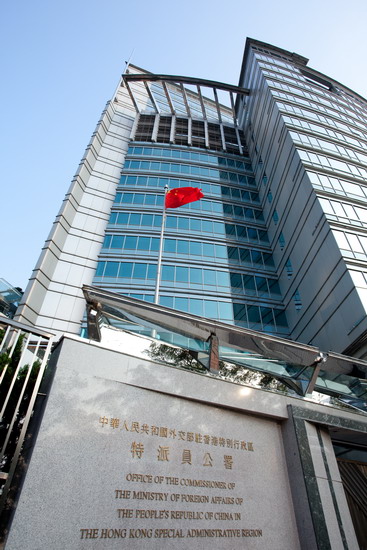
The Chinese appeal represents a carefully calibrated diplomatic approach that seeks to balance regional stability concerns while acknowledging the complex geopolitical dynamics at play. By addressing both parties simultaneously, China positions itself as a neutral mediator capable of facilitating communication between conflicting factions. This stance aligns with China's broader foreign policy objectives of promoting multilateral dialogue and preventing escalation of regional conflicts.
Diplomatic Context and Regional Implications
China's intervention occurs within a broader context of increasing great power competition in the Middle East. The country has been expanding its diplomatic footprint in the region, seeking to position itself as a alternative mediator to traditional Western powers. This latest appeal demonstrates China's willingness to engage with complex regional conflicts that have proven resistant to resolution through conventional diplomatic channels.
The timing of China's statement suggests concern about potential escalation that could impact international shipping routes and global energy markets. The Bab el-Mandeb strait, a critical chokepoint for global trade, remains vulnerable to disruptions from Yemen-related conflicts. China's significant economic interests in stable maritime routes likely inform its proactive diplomatic stance in urging restraint from all parties involved.

China's Evolving Middle East Policy
China's approach to the Middle East has evolved significantly in recent years, moving from primarily economic engagement to more active diplomatic involvement. The country has cultivated relationships with various regional actors, including both state and non-state entities. This balanced approach allows China to maintain communication channels with multiple parties to conflicts, potentially enhancing its effectiveness as a mediator.
The call for restraint between Houthi forces and Israel reflects China's preference for conflict prevention rather than intervention after escalation occurs. This proactive diplomatic style contrasts with some Western approaches and aligns with China's stated principles of non-interference and respect for national sovereignty. However, it also demonstrates China's growing recognition that regional stability directly impacts its economic and strategic interests.
International Response and Future Prospects
The international community has generally welcomed China's diplomatic engagement, though reactions vary among different stakeholders. Some view China's involvement as a positive development that could bring fresh perspectives to intractable conflicts. Others remain cautious about China's ultimate objectives and whether its mediation efforts will produce tangible results.
Looking forward, China's ability to facilitate meaningful dialogue will depend on several factors, including its credibility with all parties, its understanding of local dynamics, and its willingness to commit sustained diplomatic resources. The success or failure of this initiative could significantly influence China's future role in Middle Eastern diplomacy and conflict resolution efforts.

As tensions continue to simmer, China's call for restraint represents an important diplomatic opening that could potentially lead to renewed peace efforts. However, the path to meaningful dialogue remains challenging, requiring continued international engagement and confidence-building measures from all parties involved in the conflict.