 Read on cbsnews.com
Major Power Outage Disrupts San Francisco, Affecting 30% of City
A significant power outage struck San Francisco on December 20, 2025, leaving approximately 30% of the city without electricity at its peak. The disruption, impacting over 130,000 PG&E customers, affected numerous neighborhoods from the Richmond and Sunset districts to parts of Downtown. The outage led to the closure of key BART stations, suspended Muni Metro services, and prompted safety warnings from city officials as crews worked to restore power throughout the evening and overnight.
A widespread power failure plunged significant portions of San Francisco into darkness on Saturday, December 20, 2025, creating major disruptions across the city. At the height of the incident, utility provider Pacific Gas and Electric (PG&E) reported that approximately 30% of San Francisco was without power, affecting more than 130,000 customers. The outage triggered a multi-agency response, impacted public transportation, and led to safety advisories as restoration efforts continued into the night.
Scope and Impact of the Outage
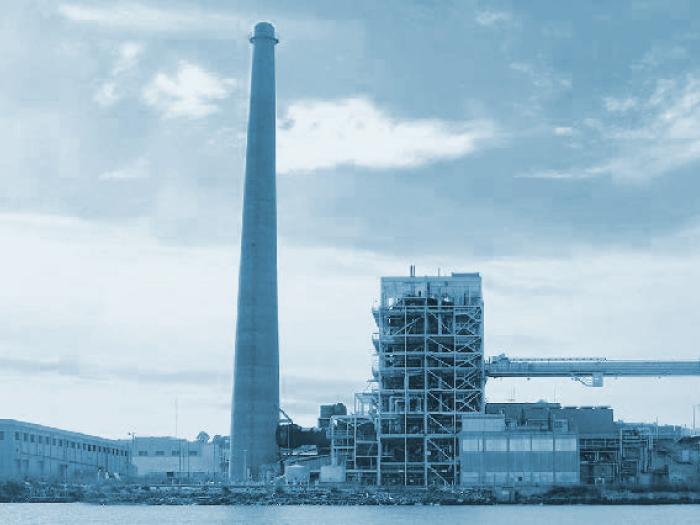
The power outage was extensive, impacting a wide swath of the city's neighborhoods. According to PG&E's outage map, affected areas included The Presidio, Seacliff, Outer and Inner Richmond, Golden Gate Park, the Panhandle, Inner and Outer Sunset, and part of West of Twin Peaks. Parts of the Western Addition and Downtown were also shown as being part of the power disruption. The first reports of outages began around 9:40 a.m., with the situation peaking in the early afternoon.
Public Transportation Disruptions
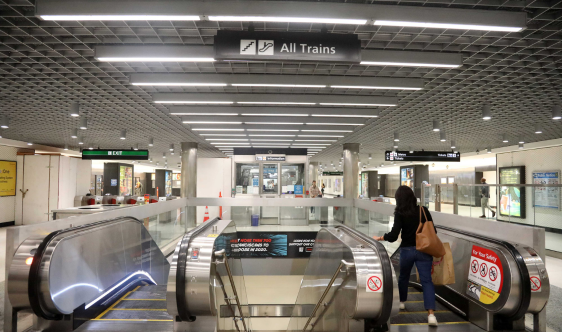
The power failure had immediate consequences for San Francisco's transit systems. Bay Area Rapid Transit (BART) announced the closure of both Powell Street and Civic Center stations due to the outage. Simultaneously, the San Francisco Municipal Transportation Agency reported that its Muni trains were unable to enter the Muni Metro and Central Subway systems. These closures created significant travel challenges for residents and visitors throughout the day.
Emergency Response and Safety Measures
San Francisco's emergency services were mobilized to address the situation. At approximately 3:15 p.m., the San Francisco Fire Department responded to a one-alarm fire at PG&E's substation located at 8th and Mission streets. Fire crews worked to shut down power and extinguish the fire using carbon dioxide. Mayor Daniel Lurie issued public safety advisories, stating at about 9 p.m. that while the two BART stations were reopening and Muni services were resuming, lingering effects were expected to impact services. "If you don't need to travel tonight, please stay off the roads and stay inside," Lurie advised, adding that additional police officers would be deployed to intersections and corridors to ensure safety.
Restoration Efforts and Timeline
PG&E crews worked throughout the day and night to restore power across the affected areas. The utility provider reported that by 11 p.m. local time, power had been restored to approximately 100,000 customers. The remaining 30,000 customers were advised to expect power restoration overnight. The San Francisco Department of Emergency Management warned that the outage might be affecting traffic lights and instructed drivers to treat intersections as four-way stops. The autonomous vehicle company Waymo also temporarily suspended its services in the city due to the power disruption.
Conclusion
The December 2025 power outage served as a stark reminder of the vulnerabilities in urban infrastructure and the cascading effects such failures can have on daily life. While PG&E successfully restored power to the majority of affected customers by late evening, the incident disrupted transportation, commerce, and public safety operations across San Francisco. The event highlights the importance of resilient energy systems and coordinated emergency response protocols in major metropolitan areas. As cities continue to grow and rely increasingly on digital infrastructure, ensuring reliable power delivery remains a critical priority for utility providers and municipal governments alike.