Supreme Court Upholds Trump Administration's $4 Billion Foreign Aid Withholding Through Pocket Rescission
The Supreme Court has allowed the Trump administration to withhold over $4 billion in foreign aid funding using a procedural maneuver known as a "pocket rescission." This controversial decision enables the executive branch to effectively cancel congressionally-approved funds without legislative approval, raising significant questions about the balance of power between branches of government and the future of foreign aid distribution.
The Supreme Court's recent decision permitting the Trump administration to withhold more than $4 billion in foreign aid funding represents a significant development in the ongoing debate over executive authority and congressional spending power. This ruling, which centers on a procedural mechanism called "pocket rescission," has far-reaching implications for how foreign aid is administered and the constitutional balance between the executive and legislative branches.
Understanding the Pocket Rescission Mechanism
A pocket rescission is a budgetary procedure that allows the executive branch to effectively cancel congressionally-appropriated funds without obtaining legislative approval. Unlike traditional rescissions that require congressional consent within a specified timeframe, pocket rescissions enable the president to withhold funds indefinitely if Congress fails to act on a formal rescission request. This mechanism has become increasingly controversial as it provides the executive branch with substantial leverage over spending decisions that were originally authorized by Congress.
Legal and Constitutional Implications
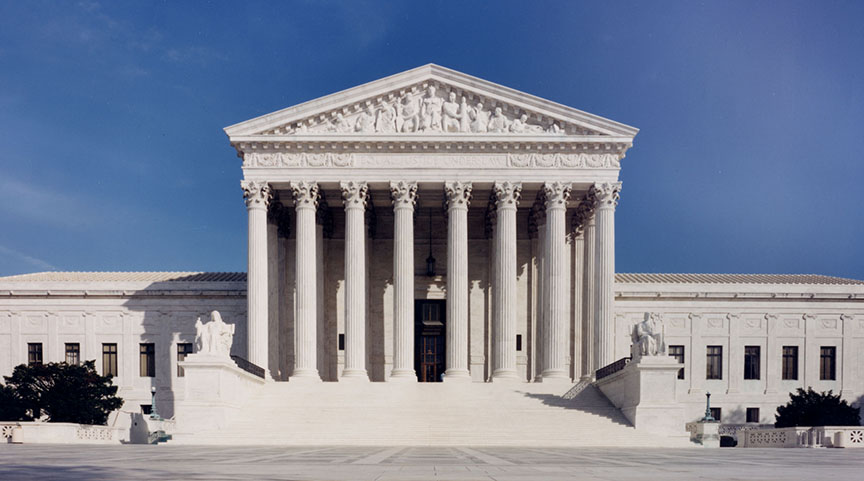
The Supreme Court's decision to allow the Trump administration's use of pocket rescission for foreign aid funding raises fundamental questions about the separation of powers. The Constitution grants Congress the power of the purse, specifically authorizing it to appropriate funds for government operations. By permitting the executive branch to effectively nullify congressional spending decisions through procedural maneuvers, the Court's ruling potentially shifts significant budgetary authority from the legislative to the executive branch.
Impact on Foreign Aid Distribution
The withholding of over $4 billion in foreign aid funding affects numerous international programs and initiatives. These funds were originally allocated for various purposes including humanitarian assistance, development projects, and security cooperation with allied nations. The prolonged withholding of these resources could disrupt critical foreign policy objectives and strain diplomatic relationships with countries that were expecting American support.
Future Implications and Precedent
This Supreme Court decision establishes an important precedent for future administrations seeking to control spending without congressional approval. The ruling potentially empowers presidents to use pocket rescissions more frequently as a tool for implementing their policy priorities, even when those priorities conflict with congressional appropriations. This development could lead to increased tension between the executive and legislative branches over budgetary matters.
The Supreme Court's authorization of the Trump administration's $4 billion foreign aid withholding through pocket rescission represents a significant moment in American constitutional law and foreign policy. This decision not only affects the immediate distribution of foreign assistance but also establishes a precedent that could reshape the balance of power between the executive and legislative branches for years to come. The long-term consequences of this ruling will likely be debated by legal scholars, policymakers, and foreign policy experts as its implications unfold across future administrations and congressional sessions.