Read on nature.com
Cycads Use Infrared Heat to Attract Pollinators in the Dark
A groundbreaking study reveals that cycads, Earth's oldest living seed plants, have evolved a remarkable nocturnal pollination strategy. These ancient plants warm their reproductive cones, emitting infrared heat signals to attract specialized weevil pollinators in the darkness. This discovery, published in Nature, demonstrates a sophisticated plant-animal interaction that has persisted for millions of years, offering new insights into plant evolution and sensory biology.
In the quiet darkness of tropical and subtropical nights, an ancient botanical drama unfolds that has remained hidden from human observation until now. Cycads, the oldest living group of seed-producing plants, have developed a sophisticated thermal communication system to ensure their reproductive success. Recent research published in Nature reveals that these prehistoric plants warm their reproductive organs to emit infrared signals, specifically attracting nocturnal weevils equipped to detect these heat emissions. This discovery represents a significant advancement in our understanding of plant-pollinator interactions and the evolutionary adaptations of Earth's most ancient seed plants.

The Ancient World of Cycads
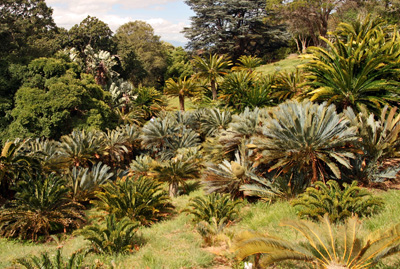
Cycads represent a living bridge to Earth's distant past, with fossil records dating back approximately 280 million years. These gymnosperms predate flowering plants by millions of years and survived multiple mass extinction events that wiped out the dinosaurs. Today, approximately 300 cycad species persist in tropical and subtropical regions worldwide, maintaining reproductive strategies that have proven remarkably effective across geological timescales. Their persistence offers scientists valuable insights into plant evolution and adaptation strategies that have withstood environmental changes over hundreds of millions of years.
Thermal Pollination Strategy
The research, led by scientists including W. A. Valencia-Montoya and published in Science, demonstrates that cycads employ a thermal-based pollination system. The plants specifically warm their reproductive cones—both male and female structures—to temperatures significantly above ambient conditions. This warming generates infrared radiation that serves as a beacon in the darkness for specialized pollinating beetles. Unlike visual or olfactory signals that dominate daytime pollination systems, this thermal signaling represents an adaptation to nocturnal pollination conditions where visual cues are limited or absent.
Specialized Pollinator Relationships
Cycads have developed highly specialized relationships with specific weevil species that have co-evolved to detect and respond to their thermal signals. These beetles possess sensory adaptations that allow them to perceive infrared radiation, essentially giving them "heat vision" capabilities. The relationship represents a classic example of mutualism—the plants provide a warm environment and food resources for the beetles, while the beetles ensure pollen transfer between male and female plants. This specialized interaction has likely contributed to cycads' reproductive isolation and evolutionary persistence despite their ancient origins.
Scientific Significance and Future Research
This discovery has significant implications for multiple scientific disciplines. For evolutionary biologists, it provides evidence of sophisticated plant-animal interactions that predate the evolution of flowering plants. For sensory biologists, it reveals how insects have adapted to detect non-visual environmental cues. The findings also have potential applications in conservation biology, as understanding these specialized pollination relationships is crucial for protecting endangered cycad species. Future research may explore how climate change affects these thermal signaling systems and whether similar mechanisms exist in other ancient plant groups.
Conservation Implications
Most cycad species face significant conservation challenges, with many classified as threatened or endangered due to habitat loss, climate change, and illegal collection. Understanding their unique pollination ecology is essential for developing effective conservation strategies. The specialized relationship with specific weevil pollinators creates vulnerability—if pollinator populations decline, cycad reproduction may fail even when plants themselves survive. Conservation efforts must therefore protect not just cycad populations but also their associated pollinator communities and the environmental conditions that support their thermal signaling systems.
Conclusion
The discovery that cycads use infrared heat to attract pollinators represents a remarkable example of evolutionary innovation in Earth's oldest seed plants. This thermal communication system, operating unseen in the darkness of tropical nights, has enabled cycads to maintain successful reproduction across geological timescales. As scientists continue to unravel the mysteries of these ancient plants, each discovery reinforces our understanding of the sophisticated adaptations that have allowed life to persist through changing environmental conditions. The cycads' story reminds us that even the most ancient organisms continue to reveal surprising secrets about the natural world's complexity and resilience.