The Emotional Journey of Plant Parenthood: From Green Thumbs to Funeral Arrangements
Plant parenthood brings joy but also inevitable loss when houseplants die. Many plant owners experience genuine grief over their leafy companions, leading some to create unique memorial rituals. This article explores the emotional aspects of indoor gardening, the common challenges plant parents face, and one owner's creative approach to honoring her deceased plants through funeral arrangements.
Indoor gardening has surged in popularity, transforming countless homes into urban jungles and creating a new generation of self-proclaimed "plant parents." While the joy of nurturing living greenery brings immense satisfaction, this relationship often comes with an unexpected emotional toll—the profound sense of loss when a beloved plant dies. For many, these aren't just decorative items but cherished companions that have been nurtured through growth cycles, making their demise a genuinely painful experience.

The phenomenon of plant parenthood extends beyond mere horticulture, representing a deeper connection between humans and nature within domestic spaces. These relationships often mirror the caregiving dynamics of pet ownership or even parenting, with individuals investing time, emotional energy, and resources into their plant collections. When plants thrive, their caretakers experience pride and accomplishment; when they struggle or die, the resulting grief can be surprisingly intense.
The Emotional Impact of Plant Loss
For many plant enthusiasts, the death of a houseplant triggers genuine mourning processes. This emotional response stems from several factors: the time investment in care routines, the personal connection developed through daily interaction, and the symbolic meaning plants often carry. Some individuals view their plants as living markers of personal growth or milestones, making their loss particularly poignant.
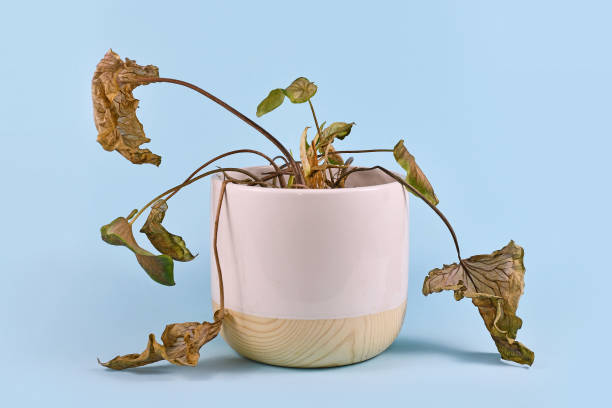
The grief experienced by plant parents is rarely acknowledged in mainstream discussions about gardening, yet it represents a significant aspect of the indoor gardening experience. Many report feelings of failure, disappointment, and even guilt when plants don't survive, particularly when they've invested substantial effort into creating optimal growing conditions.
Creative Memorialization Practices
In response to these emotional experiences, some plant owners have developed unique ways to memorialize their deceased greenery. One particularly creative approach involves organizing small funeral ceremonies for plants that have passed. These rituals might include creating memorial spaces, preserving parts of the plant, or even holding small gatherings to acknowledge the loss.
These funeral arrangements serve multiple psychological purposes: they provide closure, validate the owner's feelings of loss, and create a tangible way to honor the relationship that developed. For many, these practices transform the experience of plant death from one of failure to one of meaningful remembrance.

Navigating Plant Parenthood Challenges
Understanding that plant loss is an inevitable part of indoor gardening can help new plant parents approach the hobby with realistic expectations. Even experienced gardeners encounter plants that don't thrive despite their best efforts. Factors beyond the owner's control—such as genetic weaknesses in commercially grown plants, hidden pest issues, or environmental stressors—often contribute to plant mortality.
The community of plant enthusiasts has developed supportive practices to help members cope with these losses. Online forums and social media groups provide spaces where individuals can share their experiences, seek advice, and receive validation for their feelings. This collective support helps normalize the emotional aspects of plant care and reduces the stigma around plant death.
As indoor gardening continues to grow in popularity, acknowledging the emotional dimensions of plant parenthood becomes increasingly important. Recognizing that grief over plant loss is valid and developing healthy ways to process these feelings can enhance the overall gardening experience and help maintain the joy that initially draws people to plant care.