Read on PBS News
Analyzing Trump's 'Warrior Dividend' Announcement: Funding, Timing, and Political Context
President Donald Trump's announcement of a $1,776 'warrior dividend' for U.S. military service members has raised questions about funding sources and political timing. In a prime-time address, the president suggested tariffs would fund the payments to approximately 1.45 million service members, though details remain unclear. This analysis examines the announcement's context, including public economic concerns and record-low approval ratings for Trump's economic handling, as revealed in recent polling.
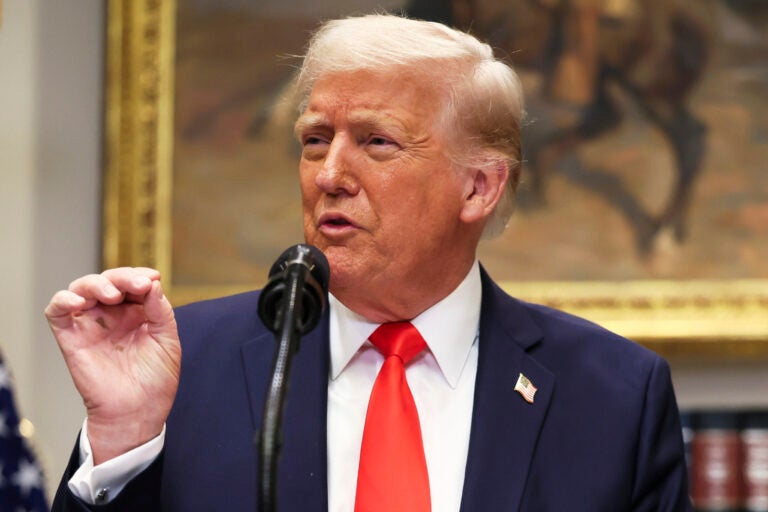
In a prime-time address to the nation on Wednesday, December 17, 2025, President Donald Trump announced a significant financial gesture toward U.S. military personnel. The president declared that approximately 1.45 million active service members would receive a "warrior dividend" of $1,776 before Christmas, framing the amount as symbolic of the nation's founding year. However, the announcement left critical questions unanswered, particularly regarding how exactly these payments would be funded, with the president only suggesting tariffs as a possible source.

The Announcement and Its Symbolism
President Trump's announcement came during a carefully staged address from the White House. "In honor of our nation's founding in 1776, we are sending every soldier $1,776," the president stated, directly linking the payment amount to American historical symbolism. The use of the term "warrior dividend" represents a deliberate rhetorical choice, emphasizing a direct financial return for military service. The timing of the announcement—just before the Christmas holiday—adds another layer of symbolic significance, positioning the administration as providing tangible year-end benefits to those serving in the armed forces.
Unanswered Questions on Funding
The most pressing question arising from the announcement concerns the funding mechanism. President Trump suggested the money was "made possible by tariffs," but provided no specific details about which tariffs, how revenue would be allocated, or whether congressional approval would be required. According to reporting from PBS NewsHour, it remains unclear how exactly the checks are being funded. This lack of detail is notable given the scale of the proposed expenditure; distributing $1,776 to 1.45 million service members would represent a financial commitment of approximately $2.57 billion.
Political and Economic Context
The announcement did not occur in a political vacuum. The president's address served as an opportunity to praise his administration's record amid growing public concern about economic conditions. A PBS News/NPR/Marist poll released the same day revealed a record low number of Americans approving of how President Trump is handling the economy. Throughout his speech, the president employed familiar political rhetoric, blaming his predecessor, former President Joe Biden, and Democratic policies for the country's ongoing challenges. "I inherited a mess, and I'm fixing it," Trump asserted, attempting to reframe the economic narrative.
Analysis of Timing and Strategy
Several strategic elements are evident in the timing and framing of this announcement. First, the pre-Christmas timing creates a sense of immediate benefit and holiday generosity directed toward a politically popular constituency—military families. Second, by associating the payment with the founding year 1776, the administration connects the policy to patriotic sentiment. Third, the vague attribution to "tariffs" allows the president to claim credit for revenue generation from a policy area he has frequently emphasized, without requiring detailed accounting. This approach follows a pattern of announcement-first, details-later governing that has characterized certain aspects of this administration.

Potential Implications and Next Steps
The implementation of the "warrior dividend" will depend on several factors, including the clarification of funding sources, potential legislative requirements, and logistical distribution mechanisms. If funded through existing tariff revenues, questions may arise about opportunity costs and whether other budgetary priorities are being displaced. The announcement also sets a precedent for direct payments to specific groups, potentially inviting similar requests from other constituencies. As details emerge, scrutiny will likely focus on the transparency of the funding process and whether the promised payments materialize as described before the holiday deadline.
In conclusion, President Trump's announcement of a $1,776 "warrior dividend" represents a significant political and symbolic gesture toward the military community. While the patriotic framing and timing are strategically calculated, the lack of clear funding details raises practical questions about implementation. The announcement occurs against a backdrop of economic concern and declining approval ratings, suggesting it may serve multiple purposes beyond simply providing holiday funds to service members. As the administration moves toward implementation, the clarity of funding mechanisms and fulfillment of the promised timeline will be critical to assessing the policy's substantive impact.