Hidden Chemical Hazards in Firefighter Turnout Gear: The Brominated Flame Retardant Dilemma
Firefighter turnout gear, the essential protective equipment designed to shield first responders from extreme heat, may be introducing a new chemical risk. A landmark U.S. study from Duke University reveals that brominated flame retardants are present across multiple layers of firefighter gear, including newer equipment marketed as PFAS-free. This discovery raises critical questions about chemical substitution strategies and the long-term health implications for firefighters who rely on this protective equipment daily.
Firefighter turnout gear represents the critical barrier between first responders and life-threatening hazards. Designed to withstand extreme temperatures and dangerous conditions, this protective equipment has evolved through decades of technological advancement. However, a groundbreaking study from Duke University reveals a troubling paradox: the very gear meant to protect firefighters may be introducing new chemical exposures. As manufacturers phase out one class of concerning chemicals, evidence suggests they may be substituting them with another class that carries its own potential health risks.
The Chemical Composition of Modern Turnout Gear
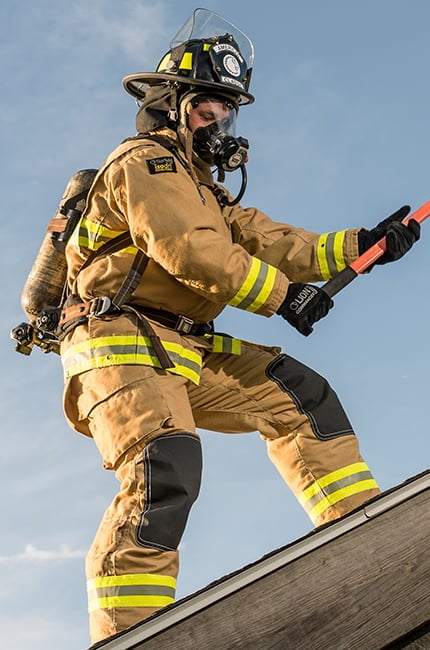
Structural firefighters rely on turnout gear consisting of three distinct layers, each serving a specific protective function. The outer shell provides flame resistance, the middle moisture barrier blocks contaminants while allowing airflow, and the inner thermal lining helps regulate body temperature. Manufacturers apply chemical treatments to these layers to meet stringent safety standards established by the National Fire Protection Association. For years, these treatments have included per- and polyfluoroalkyl substances (PFAS), which provide oil and water repellency while contributing to flame resistance.
Concerns about PFAS exposure have grown significantly in recent years, with numerous studies linking these "forever chemicals" to various health problems, including certain cancers. While no studies have directly connected PFAS-treated turnout gear to specific health outcomes in firefighters, the mounting evidence has prompted action. Multiple states have passed legislation banning the purchase of PFAS-treated turnout gear starting in 2027, and manufacturers have begun developing alternatives marketed as PFAS-free.
The Emergence of Brominated Flame Retardants
The Duke University study, published in Environmental Science & Technology Letters, represents the first formal U.S. examination of brominated flame retardants in firefighter protective equipment. Led by Heather Stapleton, Ronie-Richele Garcia-Johnson Distinguished Professor at Duke University's Nicholas School of the Environment, the research team analyzed nine sets of used turnout gear manufactured between 2013 and 2020, along with three sets produced in 2024 and marketed as non-PFAS treated.

Using sophisticated analytical techniques, researchers tested each layer of the gear for both PFAS and brominated flame retardants. Their findings revealed that every set of turnout gear tested contained brominated flame retardants, with extractable levels—the portion that could transfer during use—generally higher than those measured for PFAS. Brominated flame retardants are commonly added to fabrics and other products to reduce flammability, but exposure to these chemicals has been linked to health concerns including cancer, thyroid disease, and problems with brain development.
Higher Concentrations in PFAS-Free Equipment
Perhaps most concerning was the discovery that the highest extractable concentrations of brominated flame retardants were found in gear marketed as non-PFAS treated, particularly within the moisture barrier layer. This pattern suggests manufacturers intentionally added these chemicals to meet flammability requirements, likely replacing PFAS compounds previously used in that layer. Among the specific chemicals identified, decabromodiphenyl ethane (DBDPE) appeared at the highest extractable levels.
Although no U.S. studies have examined health effects specifically linked to DBDPE exposure, the researchers pointed to a 2019 study of workers at a chemical manufacturing plant in China. That study found associations between DBDPE exposure, altered thyroid hormone levels, and signs of thyroid disease. Professor Stapleton expressed particular concern about DBDPE, noting its similarity to decaBDE, a toxic chemical that has been largely phased out globally due to health concerns.
Sources of Chemical Contamination
The study revealed two distinct sources of brominated flame retardant contamination in turnout gear. For equipment produced between 2013 and 2020, the outer shell typically contained higher extractable levels than the moisture barrier or inner lining. This pattern likely reflects chemical buildup from smoke and soot encountered during firefighting operations. When building materials burn, they can release brominated flame retardants into the air that adhere to gear and resist washing.
Simultaneously, the presence of these chemicals in internal layers suggests that some manufacturers had incorporated brominated flame retardants into turnout gear treatments for years, even before PFAS began to be phased out. This finding indicates that chemical substitution in protective equipment may represent a longer-standing practice than previously recognized.

Implications for Fire Departments and Manufacturers
The financial and safety implications of these findings are significant for fire departments nationwide. Turnout gear represents a substantial investment, with a single set costing thousands of dollars, and firefighters typically use these garments for many years. Departments must now weigh the costs of continuing to use potentially contaminated equipment against the financial burden of replacement.
Coauthor R. Bryan Ormond, associate professor at North Carolina State University's Wilson College of Textiles and director of the Milliken Textile Protection and Comfort Center, emphasized the complex trade-offs involved in protective gear performance. While researchers have not yet determined firefighters' exact exposure levels or the long-term health effects associated with these chemicals, the study provides crucial information for departments evaluating their protective equipment strategies.
Moving Toward Safer Alternatives
Despite these concerning findings, there is progress toward safer protective equipment. Professor Stapleton noted that some manufacturers now offer turnout gear that avoids both PFAS and brominated flame retardants. She encouraged fire departments to push for clearer disclosure about chemical treatments used in protective equipment and to consider these alternatives when making purchasing decisions.
The study underscores the importance of comprehensive chemical testing and transparent manufacturing practices. As Stapleton emphasized, "We know firefighters receive higher exposure to multiple chemicals from all the hazards they face during their duty, and they shouldn't have to worry about receiving additional chemical exposures from their gear. These first responders are a critically important component of our public safety and deserve to be respected and protected."
The research, supported by the North Carolina Collaboratory at the University of North Carolina at Chapel Hill with funding appropriated by the North Carolina General Assembly, represents a significant step toward understanding and addressing chemical exposures in protective equipment. As fire departments, manufacturers, and researchers continue to collaborate, the goal remains clear: developing protective gear that truly protects without introducing new risks to those who dedicate their lives to public safety.