Read on nature.com
The Overlooked Catastrophe: Three Tropical Cyclones and the Global Silence on a Climate Tragedy
In late November 2025, three tropical cyclones—Senyar, Ditwah, and Koto—devastated the Indian Ocean region, killing over 1,000 people and displacing millions. This article examines the unprecedented nature of these storms, the inadequate global and national responses, and the critical link to climate change and environmental degradation. It argues that the world's failure to recognize this as a connected climate emergency represents a dangerous oversight with profound implications for future disaster preparedness and international cooperation.
In late November 2025, a series of tropical cyclones unleashed unprecedented devastation across the Indian Ocean region, yet the global response has been marked by a disturbing silence. Three storms—Senyar, Ditwah, and Koto—ravaged countries from Indonesia to Sri Lanka, with a destructive scale compared by local officials to the 2004 Indian Ocean tsunami. This article explores the catastrophic impacts, analyzes the systemic failures in disaster response and media coverage, and underscores the urgent need to recognize such events as interconnected climate tragedies demanding collective global action.

Unprecedented Devastation in the Indian Ocean
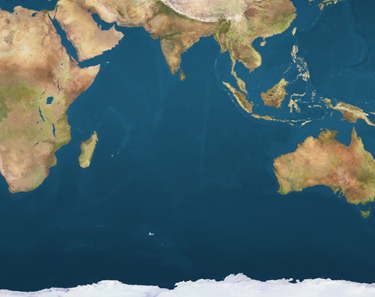
The cyclones struck a region unaccustomed to such intense tropical weather systems, bringing torrential rains, high winds, landslides, and flash floods across multiple nations. According to a report in Nature, the affected areas included Indonesia's Sumatra, Malaysia, Vietnam, Thailand, India's Andaman and Nicobar Islands, the Philippines, and Sri Lanka. The human toll has been staggering, with at least 1,000 fatalities reported and millions displaced from their homes. Infrastructure was decimated, with concrete bridges washed away, roads destroyed, and hospitals collapsed under the force of what one survivor described as "a rough sea on the land."
A Failure of Response and Recognition
The scale of the disaster has been met with a critically inadequate response at both national and international levels. While Sri Lanka declared a national emergency and sought international aid, Indonesia's response was notably delayed. President Prabowo Subianto held his first cabinet meeting on the disaster ten days after the initial rains began, and as of the report's publication, no national emergency had been declared. This bureaucratic hesitation has severe consequences, as the lack of an official declaration slows the flow of crucial international assistance. Furthermore, the international community has largely remained silent, with no significant statements or coordinated aid efforts from major powers like the European Union or the United States, beyond condolences and offers from the UN.
Media Fragmentation and the Climate Connection
Initially, global media coverage failed catastrophically by reporting the floods as isolated national incidents rather than a single, connected regional catastrophe. This fragmented narrative obscured the true scale and shared cause of the disaster. While coverage eventually shifted to labeling it the "southeast Asia floods," this still misses the fundamental root: climate change. The Nature article emphasizes that the Indian Ocean's vulnerability stems from a combination of climate change and severe environmental degradation, including deforestation and mining. Alarmingly, the international climate activist community has also largely failed to identify and champion this event as a clear climate tragedy, representing a significant omission in advocacy.
Conclusion: A Call for Collective Vigilance
The triple cyclone disaster of November 2025 serves as a dire warning. It highlights the growing vulnerability of regions to extreme weather events fueled by climate change and exposes critical gaps in disaster preparedness, governmental response, and global solidarity. The world cannot afford to look away or treat such events as isolated tragedies. They are interconnected symptoms of a planetary crisis. Moving forward, it is imperative that national governments improve early-warning systems and response protocols, that the media reports on such disasters with accurate, connective framing, and that the global community, including climate advocates, recognizes and responds to these events as the climate emergencies they truly are. The cost of inaction, as witnessed in the Indian Ocean, is measured in thousands of lives and millions of livelihoods.