Read on bbc.com
Rare Polar Bear Adoption: A Glimpse of Animal Kinship in a Changing Climate
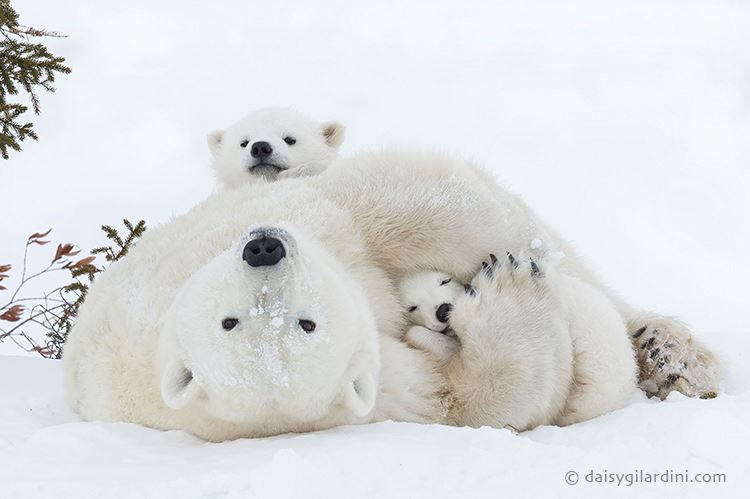
In an exceptionally rare event documented in northern Canada, a polar bear mother has adopted a cub that is not her own biological offspring. This marks only the 13th known case of adoption among the 4,600 bears studied over nearly 50 years in the region. The discovery, made by researchers tracking the annual migration near Churchill, Manitoba, offers a poignant insight into animal behavior and resilience, particularly as polar bears face mounting challenges from climate change. Scientists highlight the critical role maternal care plays in cub survival, with this act potentially boosting the adopted cub's chances of reaching adulthood in a harsh and rapidly changing environment.
In the vast, frozen landscapes of northern Canada, wildlife researchers have documented a heartening and exceedingly rare event: a polar bear adopting a cub that is not her own. This observation, made during the annual polar bear migration along the Western Hudson Bay near Churchill, Manitoba, represents a significant moment in the study of animal behavior. As reported by the BBC, this is only the 13th known case of adoption out of approximately 4,600 bears studied over nearly five decades in this region, highlighting just how uncommon such behavior is among these iconic Arctic predators.
The Discovery of an Unusual Family
The story began when a five-year-old mother bear was first captured emerging from her maternity den in the spring. At that time, she had a single cub, which researchers tagged for ongoing study. The narrative took an unexpected turn in the fall when the same mother was sighted again. This time, she was accompanied by two cubs: the original tagged offspring and a second, untagged cub. Scientists from Polar Bears International and Environment and Climate Change Canada confirmed this second cub was adopted. The biological mother of the adopted cub remains unknown, though researchers are attempting to identify her through genetic analysis of collected samples.
Understanding the Rarity and Significance
The extreme rarity of this event cannot be overstated. With only 13 documented adoptions in almost 50 years of intensive study, scientists are still piecing together the motivations behind such behavior. Alyssa McCall, a scientist at Polar Bears International, noted in a statement captured by the BBC, "It's unusual. We don't really know why it happens... but we know it doesn't happen often at all." This admission underscores the complexities of polar bear social dynamics, which are far less understood than those of more social species.

Climate Change and a Mother's Care
The discovery carries added weight against the backdrop of the climate crisis. Polar bear populations, particularly those in the Western Hudson Bay, face severe threats from diminishing sea ice, which is essential for hunting seals. Evan Richardson, a polar bear scientist with Environment and Climate Change Canada, emphasized this context, stating, "The bears need all the help they can get these days with climate change. If females have the opportunity to pick up another cub and care for it and successfully wean it, it's a good thing for bears in Churchill." This act of adoption is not just a curious anecdote; it may be a small but vital boost for population resilience. In the wild, polar bear cubs have only about a 50% chance of surviving to adulthood. The consistent care and protection of a mother dramatically improve those odds, teaching critical survival skills like hunting on the sea ice.
The Path Forward for the Adopted Cub
The future for this unique polar bear family now lies on the sea ice. The healthy cubs are expected to stay with their mother until they are approximately two-and-a-half years old. During this extended period, the adopted cub will learn the essential skills of seal hunting and Arctic survival directly from its adoptive mother. This extended maternal investment is crucial for preparing the next generation for the challenges of a warming world. As Richardson poignantly reflected, "It's just nice to know that the bears are looking out for each other." This rare event serves as a powerful reminder of the unexpected bonds that can form in the animal kingdom and the enduring importance of maternal care in the fight for survival.