Read on nature.com
Seven Feel-Good Science Stories to Restore Your Faith in 2025
Amidst a tumultuous year for science marked by political upheaval and funding challenges, 2025 has also delivered significant breakthroughs that offer hope and progress. This article highlights seven uplifting science stories, from revolutionary gene therapies to global environmental wins, that demonstrate the resilience and positive impact of scientific research. These achievements remind us of science's power to improve lives and solve complex problems, providing a much-needed counter-narrative to the year's difficulties.
While 2025 has been a challenging year for the scientific community, marked by political upheaval and significant funding cuts in regions like the United States, it has also been a year of remarkable human achievement and discovery. The narrative of science under attack, as highlighted by critics of certain political administrations, is only one side of the story. Beyond the headlines of layoffs and policy debates, researchers worldwide have quietly been making breakthroughs that offer genuine hope for the future. This collection of seven feel-good science stories serves as a powerful reminder of the enduring spirit of inquiry and its capacity to heal, protect, and inspire.

1. A Historic First: Gene Therapy for Huntington's Disease
One of the most profound medical stories of the year is the first successful treatment of Huntington's disease using gene therapy. This neurodegenerative disorder, which has no cure, has long been a devastating diagnosis for families. The pioneering clinical trial, referenced in a 2025 New England Journal of Medicine article, represents a watershed moment in neurology. The therapy works by directly targeting the genetic root cause of the disease, offering the potential to halt or significantly slow its progression. This breakthrough not only brings hope to those affected by Huntington's but also paves the way for similar gene-based approaches to other inherited neurological conditions.
2. A Major Leap in Cystic Fibrosis Treatment
Another landmark achievement in 2025 comes from the fight against cystic fibrosis (CF). Researchers published findings in the European Respiratory Journal detailing a novel therapeutic strategy that addresses the underlying protein dysfunction in CF patients. This approach goes beyond managing symptoms and aims to correct the fundamental cellular defect. The progress reported signifies a move toward more effective, long-term management of the disease, dramatically improving the quality of life and life expectancy for patients. It stands as a testament to decades of persistent research finally yielding transformative results.
3. A Global Win: Quantifiable Reductions in Methane Emissions
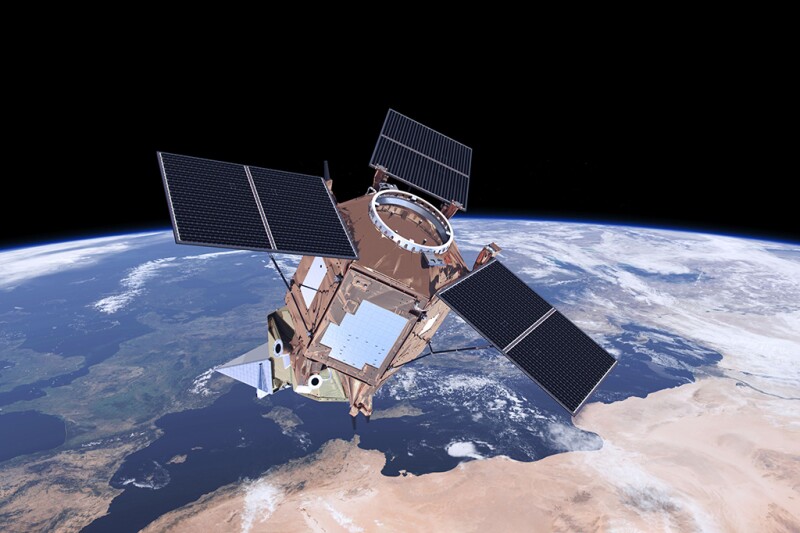
In the critical battle against climate change, 2025 brought a verifiable piece of good news. Research published in Nature Climate Change provided clear, satellite-based evidence of a significant reduction in global atmospheric methane levels. Methane is a potent greenhouse gas, and this documented decline is directly linked to international policy efforts and technological advancements in monitoring and containment, particularly in the energy and agricultural sectors. This story is a powerful example of how global scientific cooperation and policy action can lead to measurable environmental improvement, offering a blueprint for addressing other climate challenges.
4. Protecting the Young: Advances in Childhood Allergy Prevention
Pediatric health saw encouraging progress with new insights into preventing common childhood allergies. A 2025 study in Pediatrics built upon earlier foundational work, like the landmark 2015 LEAP trial, to refine guidelines for early allergen introduction. The latest research provides more nuanced strategies for parents and healthcare providers, helping to reduce the incidence of conditions like peanut and egg allergies. By intervening early in a child's life, science is effectively rewriting the script for millions of families, turning a source of anxiety into a manageable aspect of child development.
5. The Enduring Legacy of AlphaFold
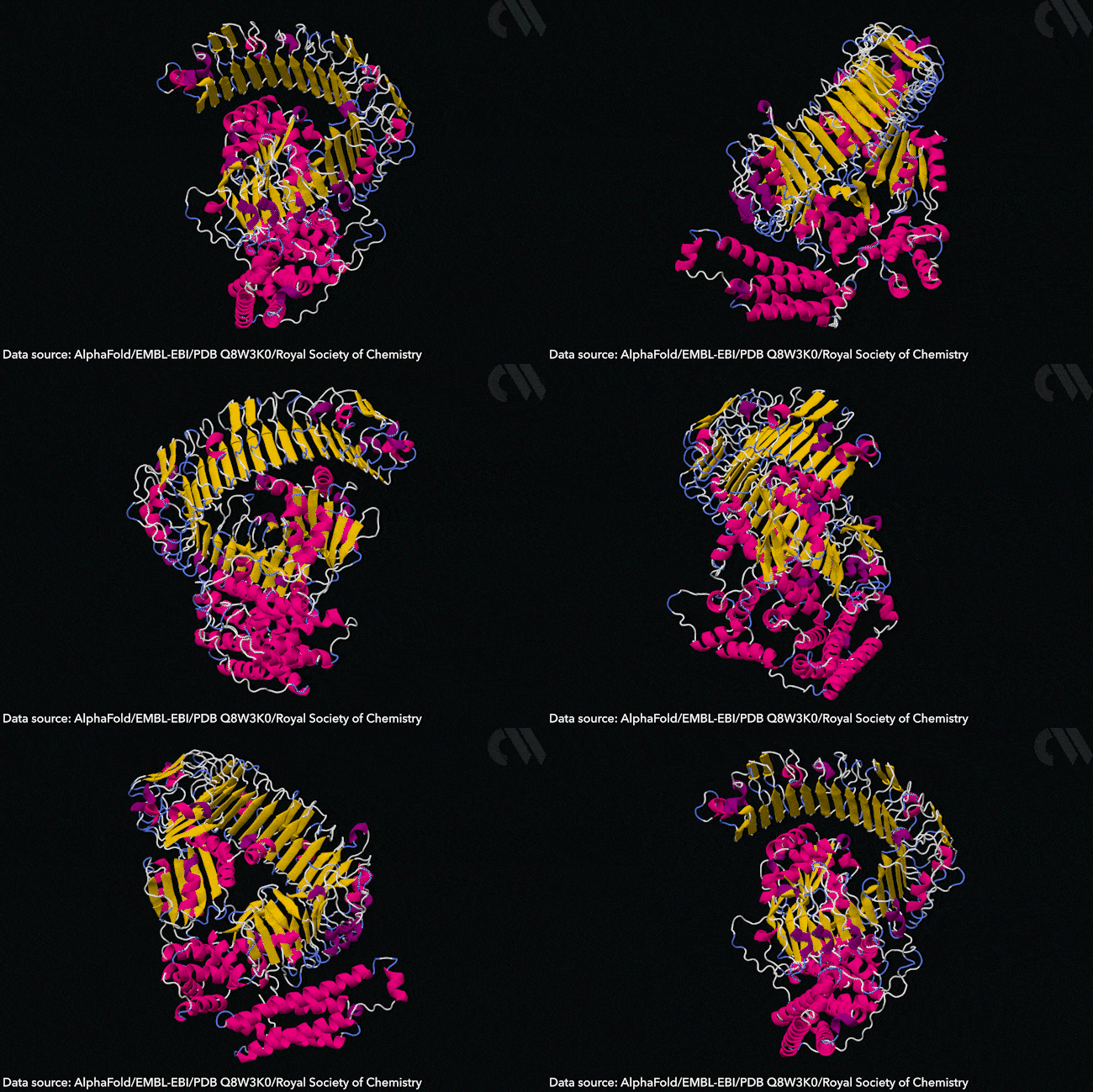
Celebrating its fifth anniversary, the AI system AlphaFold continues to revolutionize biological research. As noted in year-end analyses, its impact has only deepened, accelerating drug discovery, enhancing understanding of disease mechanisms, and opening new frontiers in protein engineering. What began as a solution to a 50-year-old grand challenge in biology has become an indispensable tool in labs worldwide. Its ongoing contributions underscore how foundational technological breakthroughs can have a sustained, multiplying effect across all fields of science, driving progress years after the initial discovery.
6. Resilience in the Face of Adversity
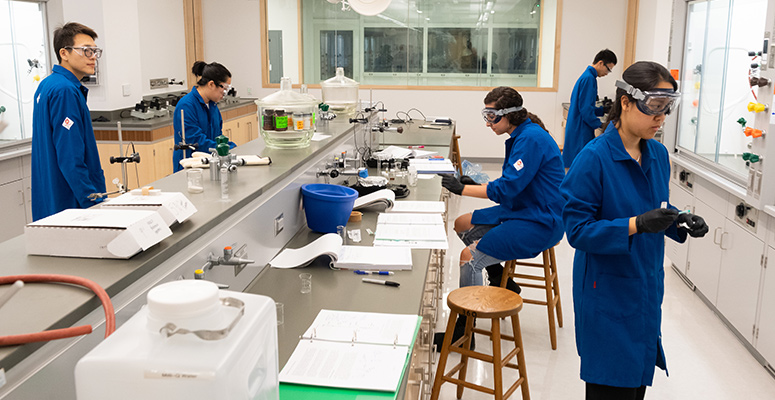
The very challenges of 2025 have catalyzed stories of resilience and adaptation within the scientific community. Faced with funding uncertainties, many researchers have forged new international collaborations, leveraged open-source tools, and found innovative ways to share resources. This has led to a democratization of science in some areas, with projects becoming more globally distributed and inclusive. The community's response to difficulty highlights its core strength: a relentless commitment to the pursuit of knowledge, regardless of the political or economic landscape.
7. A Renewed Focus on Global Health Equity
Finally, 2025 has seen a strengthened dialogue, as highlighted in commentaries, about ensuring that scientific advances benefit everyone. Discussions have moved beyond simply creating new medicines to addressing how they are delivered and made accessible across economic and geographic divides. This focus on equity in science—ensuring breakthroughs in gene therapy, climate monitoring, and disease prevention reach all populations—is a profoundly positive development. It represents a maturation of the scientific endeavor, aligning technical success with a deeper sense of social responsibility.
In conclusion, while the year's political storms have rightfully garnered attention, the seven stories outlined here form a compelling counter-narrative. From healing debilitating diseases and protecting the planet to fostering global collaboration and equity, science in 2025 has demonstrated its fundamental role as a force for good. These achievements remind us that the engine of human progress, powered by curiosity and evidence, continues to move forward. They restore faith not just in a single year's output, but in the enduring project of science itself to build a healthier, more sustainable, and more hopeful future for all.