Read on PBS News
Tennessee's High-Stakes Special Election: A National Political Bellwether
The special election for Tennessee's 7th Congressional District has unexpectedly become a national political battleground, drawing intense focus from both parties. With President Donald Trump personally rallying Republican voters and high-profile Democrats like Al Gore and Alexandria Ocasio-Cortez campaigning for progressive candidate Aftyn Behn, this traditionally conservative district is testing political winds ahead of crucial midterm elections. The outcome could signal shifts in voter sentiment and party strength in a region Republicans have dominated for years.
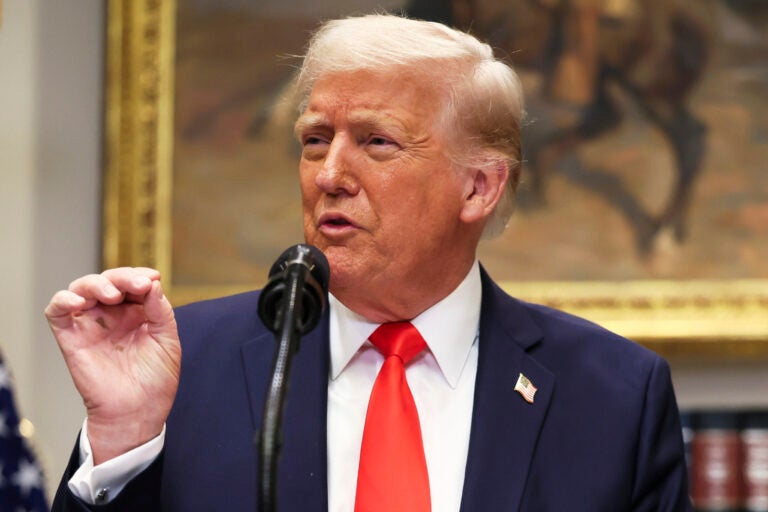
The political spotlight has turned sharply toward Tennessee, where a special congressional election has transformed a reliably conservative district into a national testing ground for both major parties. As President Donald Trump declared during a campaign event, "The whole world is watching Tennessee right now, and they're watching your district." This statement captures the extraordinary significance of an election that could reshape political calculations heading into next year's midterm contests.
The Unlikely Political Battleground
Tennessee's 7th Congressional District, which Republicans have previously won with comfortable margins, has become what House Speaker Mike Johnson called the fight for "all the marbles." The district was redrawn in 2022 to dilute Democratic influence from Nashville, with only about one in five registered voters coming from the state's largest city. Last year, the district went to former GOP Rep. Mark Green by 21 percentage points and to Trump by a similar margin, making its current competitiveness particularly noteworthy.
The special election pits Republican candidate Matt Van Epps, a former Army helicopter pilot and state general services commissioner, against Democratic candidate Aftyn Behn, a progressive community organizer from Nashville. Both parties have poured significant resources into the race, with super PACs spending over $1 million on each side. The House Majority PAC has backed Behn, while the Trump-supporting MAGA Inc. super PAC has supported Van Epps.
National Figures Mobilize
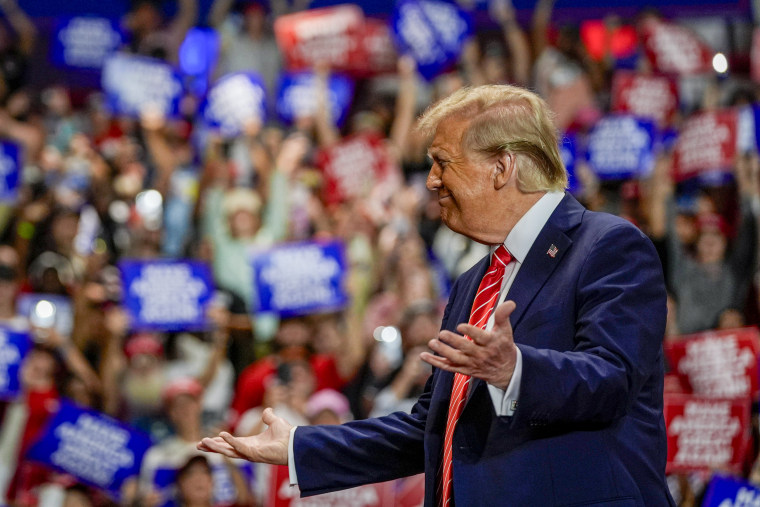
The election has drawn an extraordinary level of national attention and involvement. President Trump called in twice during the final day of campaigning to urge voters to support Van Epps, framing the election as a referendum on Republican strength. "It's a big vote and it's gonna show something," Trump said during a rally in Franklin. "And it's gonna show that the Republican Party is stronger than it's ever been."

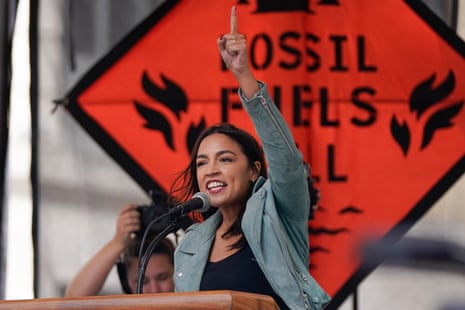
Democrats have responded with their own heavy hitters. Former Vice President Al Gore, a Tennessee native, joined Rep. Alexandria Ocasio-Cortez of New York in a virtual rally for Behn. Gore told supporters that people are struggling with high costs for groceries and health care while Trump is running "by far, the most corrupt administration in history," enabled in Congress by "way too many subservient cowards." He noted that he has "never seen the political tides shift as far and as fast as we're seeing them move in this election."
Ocasio-Cortez emphasized the race's symbolic importance, saying the competitive nature shows that "anything can happen and that miracles can happen, including in Tennessee" with hard work. Republicans have seized on Behn's progressive alignment, deriding her as too far left for the district and comparing her to Ocasio-Cortez—a comparison some state Democrats have embraced by calling Behn "our very own AOC of TN."
Strategic Implications and Voter Concerns
For Republicans, the election represents an opportunity to rebound from recent losses around the country and demonstrate continued strength in traditionally conservative areas. Speaker Johnson, who is trying to maintain a narrow majority in the House, told reporters that Democrats are bringing in "all their heavy hitters because they think they can flip this seat from red to blue. That is not going to happen."
Democrats, meanwhile, see potential for a strong showing that could propel them in next year's midterm elections that will determine control of Congress. Democratic House Minority Leader Hakeem Jeffries predicted an unexpectedly close race, noting that "Republicans have already lost. The fact that they are spending millions of dollars to hold a seat that Donald Trump just won by 22 points is extraordinary."
Voters express divergent priorities that reflect national political divides. Jalen Smalls, a Behn supporter, said his primary concern is getting people's basic needs met, such as funding for schools, feeding children, supporting hospitals and maintaining roads. "Those are the bare minimum of what people need in order to thrive, not just survive," Smalls explained.
In contrast, John Rowenczak said he is voting for Van Epps because he is concerned that the country is becoming too liberal, with illegal immigration as his primary concern. "I feel like Trump is doing a good job, and that's kind of the way we need to go," he said. "We want to continue the Trump agenda in this district."
Campaign Dynamics and Messaging
The campaign has featured sharp contrasts in policy and personality. Behn has condemned Trump's tariffs and tax cut legislation, both of which Van Epps supports. Republicans have tried to turn Behn's own words against her in television advertising, highlighting when she described herself as a "radical" or claimed to be "bullying" immigration agents and state police officers. They've also focused on comments Behn made years ago about Nashville, when she said "I hate this city" and complained about tourist annoyances like bachelorette parties.
Behn has generally redirected questions about those remarks to cost-of-living issues, though she has specifically addressed her Nashville comments by saying she wants it "to be a place where working people can thrive" even if she gets annoyed at some tourist draws. At a campaign event Monday, she argued that "the barrage of negative attacks is a result of the fact that they don't have a plan to address the rising cost of health care."
Conclusion: A Nation Watches Tennessee
As Tennessee voters head to the polls, the special election for the 7th Congressional District has transcended local politics to become a national political indicator. The intense involvement of figures from Trump to Gore, the significant financial investments from both parties, and the unexpected competitiveness in a traditionally conservative district all point to broader political shifts. Regardless of the outcome, the race has already demonstrated that no district can be taken for granted in today's polarized political climate, and that local elections increasingly carry national implications.
The results will be analyzed not just for who wins, but for the margin of victory and what it signals about voter sentiment heading into 2026. As both parties assess their strategies and messaging, Tennessee's special election serves as a crucial barometer of the political winds that will shape the battle for Congress in the coming year.