The Fracturing of Thwaites: How a 20-Year Ice Shelf Decline Signals Wider Antarctic Risk
A landmark study analyzing two decades of satellite data reveals the Thwaites Eastern Ice Shelf is undergoing a systematic, four-stage collapse. The research, published in the Journal of Geophysical Research: Earth Surface, details how fractures have multiplied around a crucial stabilizing point, weakening the shelf's structure and accelerating ice flow. This process establishes a dangerous feedback loop that scientists warn could be a preview for other vulnerable Antarctic ice shelves, with significant implications for global sea-level rise projections.
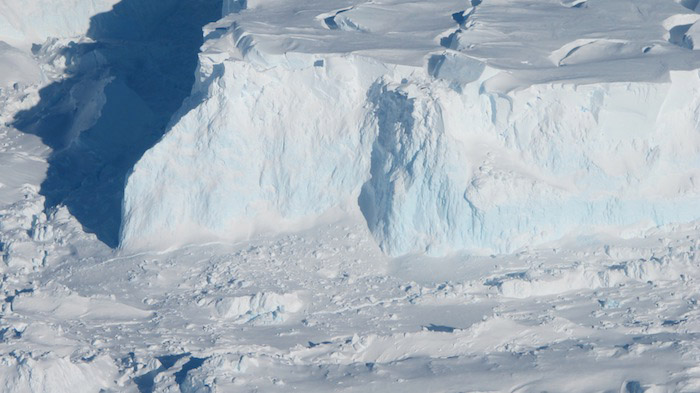
Often dubbed the "Doomsday Glacier" for its potential to dramatically raise global sea levels, Thwaites Glacier in West Antarctica is one of the planet's most closely monitored and rapidly changing ice-ocean systems. A new, detailed analysis spanning twenty years of observations has now provided a critical roadmap of its ongoing destabilization. The study, led by researchers from the University of Manitoba and published in the Journal of Geophysical Research: Earth Surface, focuses on the Thwaites Eastern Ice Shelf (TEIS). It documents a clear, four-stage pattern of structural failure, where a once-stabilizing feature has become a source of profound weakness. This process not only threatens the future of Thwaites but may also serve as a harbinger for the fate of other Antarctic shelves.
The Anatomy of a Collapse: A Four-Stage Weakening
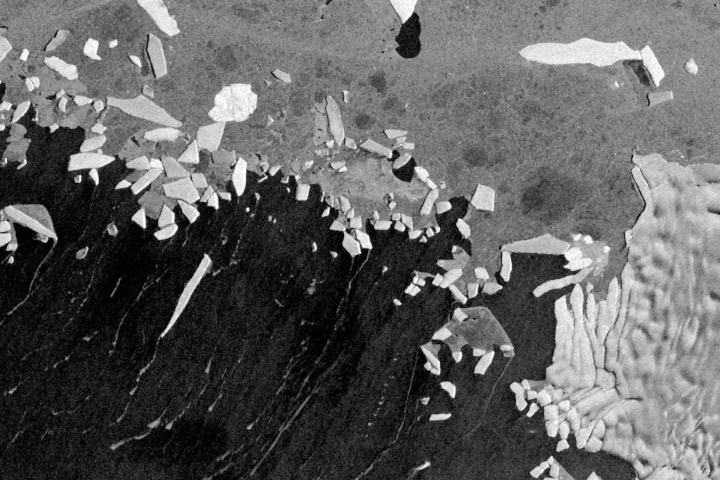
The research, part of the major International Thwaites Glacier Collaboration (ITGC), utilized a comprehensive dataset from 2002 to 2022. This included satellite imagery, ice-flow speed measurements, and in-situ GPS data to track the evolution of the TEIS. The shelf's stability has historically relied on a pinning point at its northern edge—a seabed high point that acts as an anchor. The study's core finding is that this anchor is failing in a predictable sequence.
The first stage involved the gradual formation of long fractures aligned with the direction of ice flow within a major shear zone upstream of the pinning point. As these fractures grew, they initiated the second stage: a measurable weakening of the shelf's mechanical connection to its anchor. This loss of grip triggered the third stage—a significant acceleration of the ice flowing into the shelf from upstream. This faster flow, in turn, created the fourth and most critical stage: a self-reinforcing feedback loop. The increased stress from acceleration caused further damage, propagating shorter fractures that cut across the ice flow, which further weakened the structure and allowed even faster flow.

From Stabilizer to Liability: The Pinning Point's Role Reversed
A pivotal insight from the study is the transformed role of the pinning point. Once the primary feature holding the floating ice shelf in check, it has now become a focal point for stress and fracture propagation. As lead author Debangshu Banerjee and colleagues detailed, the pinning point's interaction with the shifting ice has created a zone of concentrated weakness. This shift from a stabilizing force to a source of instability is a critical red flag for glaciologists. It suggests that other Antarctic ice shelves with similar pinning points may be susceptible to entering the same destructive cycle, potentially accelerating the continent's contribution to sea-level rise.
Global Implications and the Path Forward
The disintegration of floating ice shelves like the TEIS does not directly raise sea levels, as they are already displacing ocean water. However, their crucial function is to act as a buttress, slowing the flow of inland glacier ice into the sea. As these shelves weaken and break apart, this braking effect diminishes, allowing glaciers to discharge ice into the ocean more rapidly. Thwaites Glacier alone holds enough ice to raise global sea levels by over two feet (65 centimeters), and its collapse could destabilize much of the West Antarctic Ice Sheet, leading to several meters of rise over centuries.
This research, contributed to by renowned glaciologists including Dr. Ted Scambos and Dr. Erin Pettit, provides a vital template for understanding ice-shelf vulnerability. By identifying the specific stages and feedback mechanisms at play on the TEIS, scientists can better monitor other shelves for early warning signs. The findings underscore the importance of continued satellite observation and international scientific collaboration, like the ITGC, to refine global climate models and improve forecasts of one of climate change's most significant impacts.