Read on PBS News
Breaking Down the Government Shutdown Deal and What Comes Next
The longest-ever U.S. government shutdown is nearing its end after the Senate passed a deal to reopen the government, though the House still needs to vote. This historic 43-day shutdown has affected millions of Americans through missed paychecks, flight cancellations, and delayed services. As Congress prepares to return after 53 days, questions remain about the bill's provisions, including security funding, hemp industry regulations, and ongoing healthcare debates that could lead to future budget standoffs.
The United States is on the brink of ending its longest-ever government shutdown, though the resolution will take at least one more day to finalize. While the Senate approved a deal to reopen the government on Monday night, the House of Representatives must still vote on the legislation, creating uncertainty about the immediate path forward. This historic 43-day shutdown has had unprecedented consequences across the nation, affecting millions of federal workers and disrupting critical services.
The Current Legislative Situation
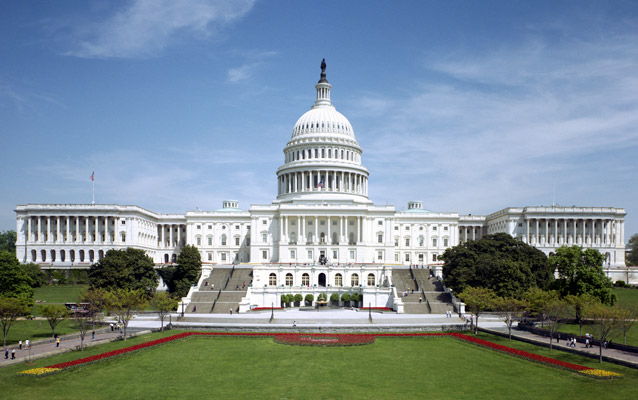
As congressional correspondent Lisa Desjardins reports, House members are returning to Washington in anticipation of Tuesday's critical vote. The House composition stands at 219 Republicans to 214 Democrats, meaning Republicans can only spare two votes to pass the shutdown bill without Democratic support. Democratic leaders have instructed their members to vote no, setting up a potentially close vote that could determine whether the government reopens immediately or faces further delays.
Key Provisions in the Shutdown Bill
The legislation contains several significant measures beyond simply funding government operations. Mass layoffs implemented during the shutdown must be reversed within five days, providing quick relief to affected federal workers. The bill also allocates substantial security funding, including approximately $400 million for member of Congress security and additional protection for Supreme Court justices. Each congressional office will receive $1 million or more for personal security measures.
Economic and Industry Impacts
One notable provision in the final bill includes a ban on unregulated hemp containing THC, which the hemp industry warns could have devastating economic consequences. This measure survived attempts to remove it during negotiations and represents one of the policy changes embedded in the funding legislation. The shutdown's broader economic impact has been significant, with air traffic controllers missing their second full paycheck and approximately 1,200 flights canceled recently due to staffing shortages.
Looking Ahead: Future Challenges
The current solution only provides temporary relief, as another funding deadline looms in January. This pattern of clustered shutdowns represents a troubling trend in American governance, with each subsequent shutdown growing longer and more disruptive. The fundamental issue involves Congress increasingly using its power to fund government as leverage in policy debates rather than engaging in traditional legislative processes. This shift raises concerns about the balance of power between branches of government and the long-term stability of federal operations.