How Muscle Mass and Visceral Fat Impact Brain Aging
New research reveals that body composition plays a crucial role in brain health and aging. Scientists have discovered that higher muscle mass and lower visceral fat levels are associated with younger biological brain age, while deep abdominal fat appears to accelerate brain aging. This groundbreaking study from the Radiological Society of North America provides compelling evidence that physical health directly influences brain health, offering actionable insights for maintaining cognitive function and reducing Alzheimer's risk through targeted body composition management.
Emerging research is revealing powerful connections between our physical bodies and brain health that could transform how we approach aging and cognitive wellness. A groundbreaking study presented at the Radiological Society of North America's annual meeting demonstrates that body composition—specifically the balance between muscle mass and visceral fat—directly influences how quickly our brains age biologically.
The Science Behind Brain Age and Body Composition
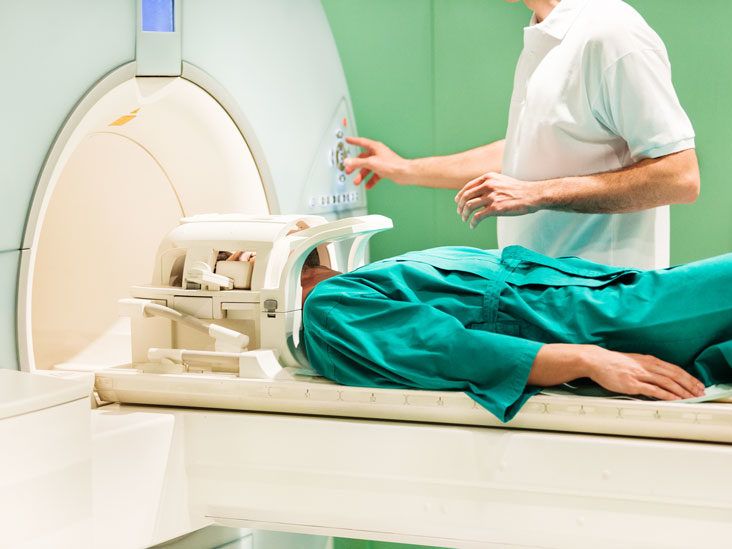
Brain age represents an estimate of how old the brain appears biologically based on its structural characteristics as seen through MRI imaging. This concept goes beyond chronological age to provide insights into brain health and potential risk factors for neurological conditions. The recent study, led by Dr. Cyrus Raji from Washington University School of Medicine, utilized advanced imaging techniques to explore how different types of body tissue affect this biological brain age.
Researchers employed whole-body MRI scans and artificial intelligence algorithms to analyze 1,164 healthy adults with an average age of 55. The comprehensive imaging allowed precise measurement of muscle volume, visceral fat (deep abdominal fat surrounding internal organs), and subcutaneous fat (fat located just beneath the skin). This sophisticated approach provided unprecedented clarity about how specific body components relate to brain aging.

Key Findings: Muscle vs. Fat Impact on Brain Health
The research yielded clear and compelling results about the relationship between body composition and brain aging. Individuals with higher muscle mass consistently showed younger biological brain ages, suggesting that muscle tissue offers a protective effect against brain aging. Conversely, those with higher ratios of visceral fat to muscle mass demonstrated older-appearing brains, indicating that deep abdominal fat accelerates the aging process in the brain.
Interestingly, the study found that subcutaneous fat—the fat located just beneath the skin—showed no meaningful association with brain aging. This distinction highlights the particular danger of visceral fat, which accumulates around vital organs and appears to have more significant metabolic consequences than other types of body fat. The findings underscore that not all fat is created equal when it comes to brain health.
Practical Implications for Health and Prevention
These findings have immediate practical applications for maintaining brain health and preventing age-related cognitive decline. According to Dr. Raji, focusing on building muscle while reducing visceral fat represents realistic and actionable goals for most individuals. The research provides scientific validation for exercise regimens that prioritize strength training and muscle preservation alongside cardiovascular activities that help reduce abdominal fat.
The study also offers important insights for current weight management approaches, including the use of GLP-1 medications like Ozempic. While these drugs effectively reduce body fat, they may also contribute to muscle loss. The research suggests that future treatments should aim to specifically target visceral fat reduction while preserving or even increasing muscle mass to optimize both body and brain health outcomes.

Future Directions in Brain Health Research
This research establishes a foundation for incorporating body composition biomarkers into future clinical trials and interventions. The ability to quantify muscle, fat, and brain age through MRI imaging provides clear benchmarks for evaluating the effectiveness of various metabolic interventions and treatments. This could lead to more personalized approaches to brain health that consider individual body composition patterns.
The study also highlights the potential for developing next-generation therapies that specifically target the visceral fat to muscle ratio. As Dr. Raji notes, losing visceral fat while protecting muscle volume appears to offer the greatest benefit for brain aging and overall brain health. This research direction could inform optimal dosing regimens for existing medications and guide the development of new treatments that simultaneously address body composition and brain health.
The connection between physical health and brain health has never been clearer. By focusing on building muscle and reducing visceral fat, individuals can take proactive steps toward maintaining not just physical fitness but cognitive vitality throughout their lives. This research provides scientific validation for holistic approaches to health that recognize the profound interconnection between our bodies and our brains.