Brain Energy Signal Discovery Reveals Shared Pathway for Depression and Anxiety
Groundbreaking neuroscience research has uncovered that reduced ATP energy signaling in the hippocampus drives both depression- and anxiety-like behaviors in mice. Scientists discovered that stress lowers ATP levels, a crucial molecule for cellular energy and communication. By manipulating connexin 43, a protein responsible for ATP release, researchers could induce mood-related symptoms even without stress exposure. Restoring this protein reversed behavioral changes, revealing a shared molecular pathway that could lead to new treatments for co-occurring mood disorders.
Recent neuroscience research has uncovered a critical biological mechanism that may explain why depression and anxiety often occur together. A study published in The Journal of Neuroscience reveals that disrupted energy signaling in a key brain region drives both conditions through a shared molecular pathway. This discovery could pave the way for more effective treatments targeting the root cause of these common mental health disorders.
:background_color(FFFFFF):format(jpeg)/images/article/hippocampus-structure-and-functions/mk8S99w69gMsfespwWlUFg_MUdkcPNWRFiZ3qPn33C1ig_hippocampus.png)
The Role of ATP in Brain Function
Adenosine triphosphate (ATP) is best known as the primary energy currency of cells, but it also serves as a crucial chemical messenger in the brain. Researchers from Southern Medical University focused their investigation on how ATP signaling influences emotional regulation in the hippocampus, a brain region involved in memory formation, stress responses, and mood disorders. The hippocampus has long been associated with emotional health because of its sensitivity to prolonged stress and its role in shaping behavioral responses to environmental challenges.
Stress-Induced ATP Reduction
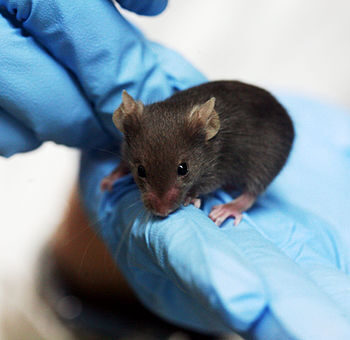
The research team discovered that male mice exposed to long-term stress developed both depressive- and anxiety-like behaviors alongside significantly reduced ATP levels in the hippocampus. These stressed animals also produced less connexin 43, a protein that forms channels allowing ATP to move between cells. This protein is essential for maintaining healthy energy signaling and communication between brain cells. The findings suggest that stress disrupts the brain's ability to maintain adequate ATP levels, potentially triggering mood-related symptoms.

Experimental Evidence
To confirm whether reduced ATP release directly causes mood symptoms, researchers genetically decreased connexin 43 in mice that hadn't experienced stress. Remarkably, even without environmental stressors, these animals developed depressive- and anxiety-like behaviors and showed reduced ATP levels. This crucial experiment demonstrated that disruptions in ATP signaling alone can influence emotional behavior. When scientists restored connexin 43 in stressed mice, ATP levels normalized and behavioral improvements followed, reinforcing ATP's central role in mood regulation.
Clinical Implications
According to lead researcher Tian-Ming Gao, this study provides the first direct evidence that deficient ATP release in the hippocampus drives both depressive- and anxiety-like behaviors through a shared molecular pathway. This discovery is particularly significant because depression and anxiety frequently co-occur and can be challenging to treat simultaneously with current therapies. The connection between connexin 43 and ATP release highlights a potential target for future treatments that could address both conditions at their biological source.
The research team plans to expand their studies to include both male and female mice to determine whether these mechanisms operate similarly across sexes. This broader investigation could enhance the relevance of their findings and potentially lead to more inclusive treatment approaches. By focusing on restoring ATP signaling, scientists may eventually develop interventions that target the fundamental energy disruptions underlying mood disorders, offering new hope for millions affected by these conditions.