Read on Global News
Ukraine Peace Talks Progress as Delegation Returns from Geneva
Ukrainian President Volodymyr Zelenskyy has confirmed that the Ukrainian delegation is returning from Geneva peace talks to report on discussions with U.S. officials regarding a revised peace proposal. The talks, which addressed a 28-point U.S. peace plan that initially favored Russian demands, have seen significant modifications according to European leaders. While German Chancellor Friedrich Merz described the negotiations as producing an 'interim result' with important changes, officials caution that the road to peace remains long and complex. The developments come as Ukraine faces continued military pressure and Russia maintains its drone attacks on civilian areas.
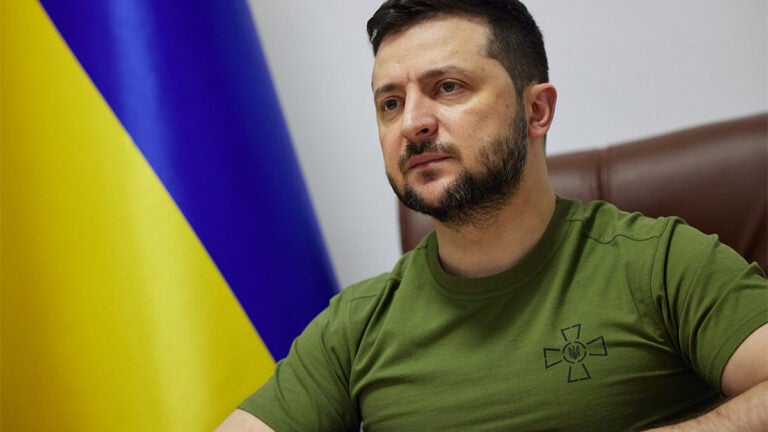
Ukrainian President Volodymyr Zelenskyy has confirmed that the country's delegation is returning from Geneva to report on crucial peace talks with U.S. officials, marking a significant development in the ongoing diplomatic efforts to resolve the nearly four-year conflict with Russia. The discussions centered around a revised U.S. peace proposal that initially raised concerns among Ukraine's European allies for its perceived favoritism toward Moscow's demands.
Geneva Negotiations Overview
The weekend talks in Switzerland represented a critical diplomatic engagement between U.S. and Ukrainian officials, addressing a comprehensive 28-point peace plan presented by the United States. According to reports from Global News, the initial proposal had triggered alarm in Kyiv and European capitals by heavily favoring Moscow's objectives following Russia's invasion of Ukraine. The plan originally pressed Ukraine to consent to territorial concessions and military reductions while seeking European agreement that Ukraine would never join NATO.
European Response and Modifications
European leaders have expressed cautious optimism about the revised proposal following the Geneva discussions. German Chancellor Friedrich Merz welcomed the "interim result" of the talks, noting that the U.S. proposal "has now been modified in significant parts." Finnish President Alexander Stubb described the negotiations as "a step forward" while acknowledging that "major issues which remain to be resolved." German Foreign Minister Johannes Wadephul revealed that "all issues concerning Europe or NATO have been removed from this plan," representing what he called a "decisive success" achieved during the Sunday discussions.

Next Steps and International Coordination
President Zelenskyy emphasized that diplomacy has been "reinvigorated" through the Geneva meeting, describing the development as "very good" for the peace process. The Ukrainian government will now assess the delegation's report before determining its next steps. Meanwhile, Ukraine's allies in the "coalition of the willing" - approximately 30 countries supporting Kyiv - are scheduled to hold video talks on Tuesday to discuss the negotiation outcomes. U.S. Secretary of State Marco Rubio, who directed the talks in Switzerland, described them as "very worthwhile" and expressed optimism about reaching a resolution.
Ongoing Challenges and Russian Position
Despite the diplomatic progress, significant challenges remain. German Chancellor Merz cautioned that "there won't be peace in Ukraine overnight" and emphasized that Moscow must now engage in the process. Kremlin spokesperson Dmitry Peskov confirmed that Russian officials haven't yet seen the revised peace plan text and noted that while no meetings are currently scheduled between U.S. and Russian delegations, Russia remains "open for such contacts." The diplomatic efforts continue against the backdrop of ongoing military conflict, with Russian drones killing four people in Kharkiv overnight and continuing attacks on civilian infrastructure.