Trump Administration Proposes New Offshore Oil Drilling in California and Florida
The Trump administration has unveiled plans to expand offshore oil drilling along the California and Florida coasts for the first time in decades, marking a significant shift in U.S. energy policy. The proposal includes six lease sales off California and new drilling areas at least 100 miles from Florida's shoreline, while also targeting extensive development in Alaskan waters. This move reverses previous environmental protections and has drawn immediate bipartisan opposition from coastal state leaders who warn of economic and environmental risks to tourism-dependent communities.
The Trump administration has announced a comprehensive plan to open new offshore oil drilling territories along the California and Florida coasts, representing the first such expansion in decades. This strategic move aims to bolster U.S. energy production and achieve what President Trump describes as "energy dominance" in global markets, reversing previous environmental protections established under both Republican and Democratic administrations.
Expansion Details and Historical Context
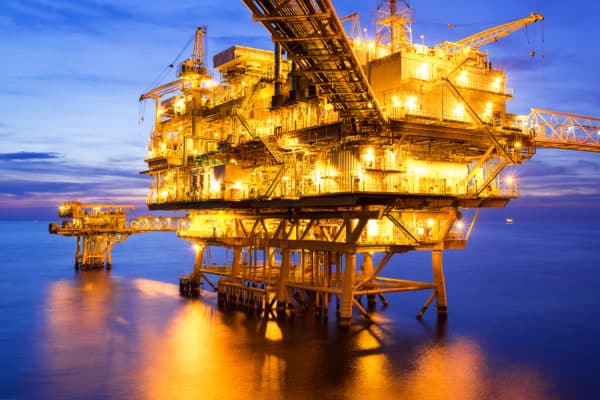
The proposed five-year plan includes six offshore lease sales specifically targeting California's coastal waters, where no new federal leasing has occurred since the mid-1980s. For Florida, the administration proposes new drilling in areas positioned at least 100 miles from the state's shoreline, adjacent to existing drilling operations in the Central Gulf of Mexico. According to CBS News reporting, the federal government has maintained a moratorium on drilling in federal waters encompassing offshore Florida and parts of offshore Alabama since 1995, primarily due to concerns about potential oil spills and environmental damage.
Political Opposition and Economic Concerns
The drilling expansion plan has encountered immediate and significant political resistance from both Democratic and Republican leaders in affected states. California Governor Gavin Newsom, a prominent Trump critic considering a 2028 presidential bid, declared the proposal "dead on arrival" and emphasized that "expensive and riskier offshore drilling would put our communities at risk and undermine the economic stability of our coastal economies." The opposition extends to Florida, where Republican Senator Rick Scott, despite being a Trump ally, has historically opposed offshore drilling near his state's coastlines.

Broader Energy Strategy
This offshore drilling initiative represents a cornerstone of President Trump's broader energy agenda, which prioritizes fossil fuel development over renewable energy sources. On his first day of his second term, Trump signed an executive order reversing President Biden's ban on future offshore oil drilling along both the East and West coasts. The administration has simultaneously blocked renewable energy projects, including offshore wind development, and canceled billions in clean energy grants, signaling a clear policy shift toward traditional energy sources.
Environmental and Economic Implications
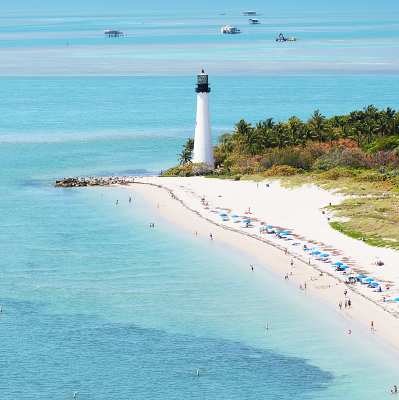
Environmental groups and Democratic lawmakers have raised serious concerns about the potential consequences of expanded offshore drilling. California has been at the forefront of restricting offshore oil development since the devastating 1969 Santa Barbara oil spill, which helped catalyze the modern environmental movement. Lawmakers including California Senators Alex Padilla and Adam Schiff warned that opening vast coastlines to new drilling "would devastate coastal economies, jeopardize our national security, ravage coastal ecosystems, and put millions of Americans' health and safety at risk."
Industry Support and Implementation Timeline
The energy industry has strongly endorsed the administration's approach, with groups including the American Petroleum Institute advocating that all offshore areas "with the potential to generate jobs, new revenue and additional production to advance America's energy dominance should be considered for inclusion." According to administration plans viewed by CBS News, lease sales off California could begin as early as 2027, while Alaskan waters might see drilling activity starting next year, indicating an accelerated timeline for implementation.
Conclusion
The Trump administration's proposal to expand offshore oil drilling represents a significant policy shift with far-reaching implications for coastal states, energy markets, and environmental protection. While aimed at increasing U.S. energy production and achieving global energy dominance, the plan faces substantial political, economic, and environmental challenges. The coming months will likely see intensified debate between energy development advocates and coastal protection proponents as the administration moves forward with its comprehensive offshore drilling agenda.