Read on PBS News
Key Developments: FEMA Leadership Change, Border Policy, and Justice Department Scrutiny
Recent developments in federal governance include significant leadership changes at FEMA, with Acting Administrator David Richardson stepping down after six months amid criticism of the agency's response to Texas floods. Meanwhile, President Trump has expressed openness to military strikes in Mexico as part of anti-drug efforts, and a federal judge has raised concerns about potential misconduct in the Justice Department's case against former FBI Director James Comey. These events highlight ongoing challenges in disaster management, border security, and government accountability.
Recent federal government developments have brought significant attention to leadership changes, border security policies, and judicial oversight. The Federal Emergency Management Agency (FEMA) is undergoing a transition in leadership, while executive branch statements regarding international drug enforcement have raised important questions about foreign policy approaches. Simultaneously, the judicial system is examining potential procedural issues within the Department of Justice, highlighting the complex interplay between different branches of government.

FEMA Leadership Transition
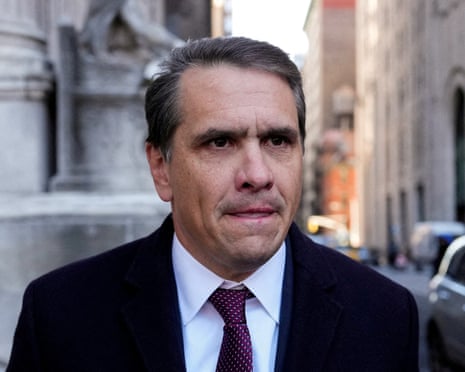
Acting FEMA Administrator David Richardson is stepping down from his position after just six months in the role. Richardson assumed leadership of the agency in May following the departure of his predecessor. His tenure was marked by significant challenges, particularly the federal response to devastating floods in Texas that resulted in at least 136 fatalities. The agency faced widespread criticism for what many perceived as a slow and inadequate response to the emergency situation.
FEMA has experienced considerable instability throughout the current administration, with both the President and Homeland Security Chief Kristi Noem advocating for substantial reforms within the agency. The leadership transition comes at a critical time for the organization, which plays a vital role in national disaster response and recovery efforts. Karen Evans, currently serving as FEMA Chief of Staff, is scheduled to assume the acting administrator role beginning December 1.
Border Security and International Policy
In related developments, President Trump has indicated willingness to consider military strikes in Mexico as part of broader efforts to combat drug trafficking. During an Oval Office event, the President responded to questions about anti-drug strategies by stating, "Would I launch strikes in Mexico to stop drugs? It's OK with me. Whatever we have to do to stop drugs." These comments come amid ongoing administration efforts targeting drug trafficking operations.
The administration has conducted more than twenty strikes on suspected drug vessels in Caribbean and Eastern Pacific waters. Additionally, the President expressed support for targeting cocaine production facilities in Colombia, emphasizing the potential to save lives through such actions. Meanwhile, the Supreme Court has agreed to review border policy practices, specifically examining the legality of "metering" procedures that limit asylum seekers' access to U.S. territory based on processing capacity.
Judicial Oversight and Government Accountability
A federal magistrate judge has raised serious concerns about potential misconduct in the Justice Department's handling of the criminal case against former FBI Director James Comey. Judge William Fitzpatrick identified what he described as "profound investigative missteps" in the department's approach, including fundamental misstatements of legal principles and irregularities in grand jury proceedings.
The judge has ordered the Justice Department to provide grand jury materials to Comey's defense team for review. Comey faces charges related to alleged false statements to Congress in 2020 concerning authorization of FBI media leaks, allegations he continues to deny. This development highlights the importance of proper procedural conduct in high-profile legal matters and demonstrates the judiciary's role in overseeing executive branch actions.
Broader Government Context
These developments occur against a backdrop of ongoing government normalization following recent disruptions. Federal aviation authorities have lifted remaining flight restrictions that were implemented during staffing shortages, indicating stabilization in essential services. Hundreds of thousands of federal employees have returned to work, with back pay distribution underway across various agencies.
Additionally, nutrition assistance programs have resumed operations, providing crucial support to low-income families through state-level implementation. Cultural institutions including Smithsonian museums have reopened, reflecting the gradual return to standard government operations across multiple sectors.
The convergence of these events—leadership transitions at critical agencies, evolving international security policies, and judicial oversight of executive branch actions—demonstrates the dynamic nature of federal governance. Each development carries implications for disaster response capabilities, international relations, and the system of checks and balances that underpins American democracy. As these situations continue to evolve, they will likely influence both immediate policy decisions and longer-term governance approaches.