Read on PBS News
Trump and Mamdani: From Political Foes to Potential Collaboration
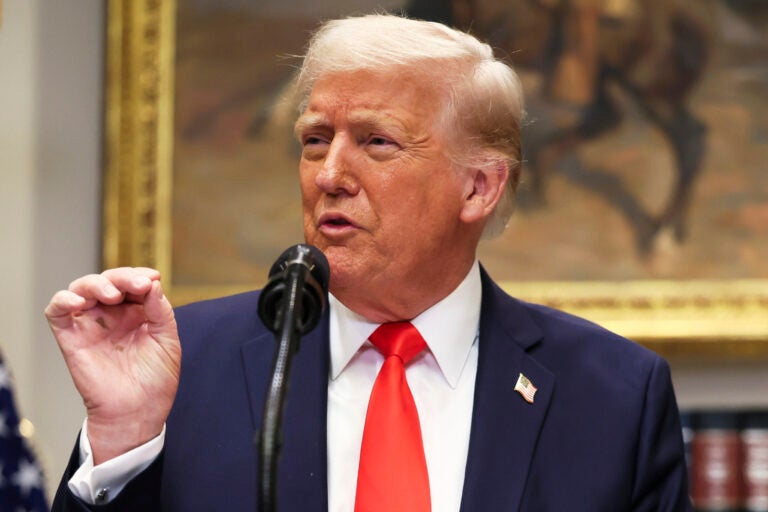
President Donald Trump has indicated plans to meet with New York City mayor-elect Zohran Mamdani, signaling a potential shift in their previously contentious relationship. For months, Trump had falsely labeled Mamdani as a 'communist' and predicted New York's ruin under his leadership. The 34-year-old democratic socialist rose from an obscure state lawmaker to become a symbol of resistance against Trump's policies, defeating former Governor Andrew Cuomo by nearly 9 percentage points. Both leaders now express willingness to work together for New York's benefit, marking a significant development in their political dynamic.
In a surprising political development, President Donald Trump has indicated plans to meet with New York City mayor-elect Zohran Mamdani, signaling a potential detente between two figures who have previously cast each other as political foils. This announcement represents a significant shift from months of public criticism and political opposition between the Republican president and the incoming Democratic mayor.
Background of Political Tensions
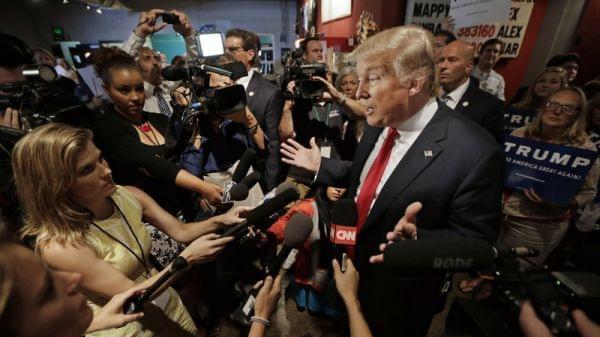
The relationship between Trump and Mamdani has been marked by significant political tension throughout the mayoral campaign. Trump repeatedly attacked Mamdani, falsely labeling him as a 'communist' and predicting the ruin of New York City if the democratic socialist was elected. The president also threatened to deport Mamdani, who was born in Uganda and became a naturalized American citizen, and to pull federal money from the city.
Mamdani's Political Rise
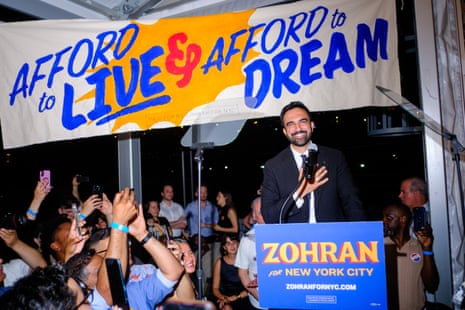
Zohran Mamdani's political journey represents a remarkable ascent in New York politics. Rising from an obscure state lawmaker to become a social media star and symbol of resistance against Trump, Mamdani campaigned on progressive policies and stark opposition to the president's anti-immigrant agenda. His appeal to a broad cross-section of New Yorkers was demonstrated by his decisive victory over former Governor Andrew Cuomo by nearly 9 percentage points.
Shifting Political Dynamics
Following his election victory, Mamdani struck a more conciliatory tone while maintaining his commitment to protecting New York from Trump's policies. In his election night speech, he expressed his desire for New York to show the country how to defeat the president. However, the day after his victory, while discussing plans for 'Trump-proofing' New York, the incoming mayor also stated his willingness to work with anyone, including the president, if it could benefit New Yorkers.
Path Toward Collaboration
The potential meeting between Trump and Mamdani represents a pragmatic approach from both leaders. Trump told reporters as he prepared to fly back to Washington after spending the weekend in Florida that 'the mayor of New York would like to meet with us. We'll work something out.' White House press secretary Karoline Leavitt clarified that Trump was referring to Mamdani, though no date had been set for such a meeting. Trump added, 'We want to see everything work out well for New York,' indicating a shift toward potential cooperation.
Broader Political Context
Trump's comments about meeting with Mamdani came as he also mentioned potential discussions with Venezuelan President Nicolás Maduro, stating 'I'll talk to anybody.' This approach suggests a broader willingness from the president to engage with political opponents, both domestic and international. For Mamdani, the relationship with the White House represents a critical component of his ability to govern effectively, as he acknowledged when his spokesperson pointed to the mayor-elect's remarks about reaching out to the White House 'because this is a relationship that will be critical to the success of the city.'

Conclusion
The potential meeting between President Trump and Mayor-elect Mamdani marks a significant evolution in their political relationship. From months of public attacks and opposition, both leaders now appear to recognize the practical necessity of cooperation for the benefit of New York City. While their fundamental political differences remain, this development suggests a more pragmatic approach to governance from both sides. The outcome of their potential meeting could set the tone for federal-city relations and demonstrate whether political opponents can find common ground on issues affecting millions of New Yorkers.