Read on nature.com
Australia's Social Media Ban: A Global First and Research Opportunity
Australia has become the first nation to implement a comprehensive ban on social media use for children under 16, prohibiting access to major platforms like Facebook, X, YouTube, and Snapchat. This unprecedented policy, driven by concerns over mental health and harmful content, presents a unique 'natural experiment' for researchers to study the effects of such restrictions on adolescent development, social interaction, and political engagement. Scientists are launching studies to track changes in mental health, family dynamics, and educational engagement, while also examining potential unintended consequences for vulnerable youth.
In a landmark move that has ignited global debate, Australia has positioned itself at the forefront of digital policy by becoming the first country to ban children under the age of 16 from using most major social media platforms. This sweeping restriction, which came into force this week, targets platforms including Facebook, X (formerly Twitter), Reddit, YouTube, Threads, and Snapchat. The Australian government cites significant concerns over the detrimental impact of social media on young people's mental health, attributing issues to addictive design features, sleep disruption, and exposure to harmful content. For the global research community, however, this policy shift represents a rare and valuable opportunity: a large-scale natural experiment to empirically study the effects of social media restrictions on an entire generation of youth.

The Scope and Rationale of the Australian Ban
The Australian policy mandates that technology companies take "reasonable steps" to prevent young people from creating or maintaining accounts on their platforms. Failure to comply carries substantial financial penalties, with fines reaching up to AU$49.5 million (approximately US$33 million). While other nations like France, Denmark, and Spain have introduced or proposed various social-media restrictions for minors, Australia's approach is notably the most comprehensive and far-reaching to date. The government's stance is clear: it views social media as a direct contributor to a youth mental health crisis. However, this perspective is not universally shared within the scientific community. As reported by Nature, some researchers point to mixed evidence regarding social media's causal role in harm, noting that for many young people—particularly those in minority groups or living in remote areas—online communication serves as a crucial support system and a vital link to their peers.
A New Frontier for Adolescent Health Research
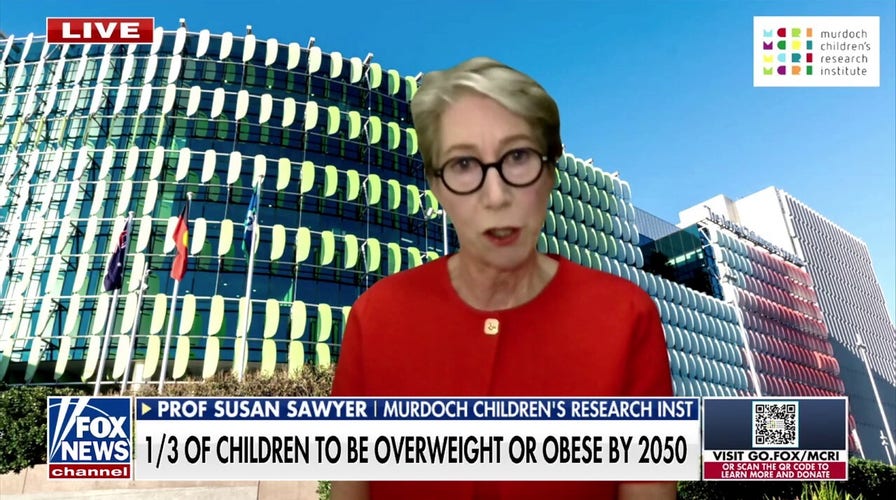
The implementation of the ban has immediately catalyzed new avenues of scientific inquiry. Researchers are seizing the chance to collect longitudinal data that was previously impossible to gather. Susan Sawyer, a physician-researcher specializing in adolescent health at the Murdoch Children’s Research Institute in Melbourne, has already begun a significant study. In the two months preceding the ban, her team interviewed 177 teenagers aged 13–16 about their social-media use, screen time, and mental health. They plan to survey the same cohort again in six months to measure any changes attributable to the policy. This research will also involve surveying the participants' parents to assess changes in problematic internet use by their children.
Examining Social and Political Impacts
Beyond mental health, researchers are investigating the ban's broader societal consequences. A collaborative project between The Kids Research Institute Australia, The University of Western Australia, and Edith Cowan University will focus on the family unit, examining whether the restriction creates new parenting challenges and what kinds of family conflicts arise as teenagers lose access to these ubiquitous platforms. Furthermore, the policy's impact on civic education is a key concern. Zareh Ghazarian, a political scientist at Monash University in Melbourne, studies the role of social media in young people's political development. He notes that online platforms have become an important avenue for teenagers to engage with contemporary political issues and debates, often supplementing classroom learning. Ghazarian plans to interview teachers to understand how the ban affects students' political knowledge and what alternative platforms, if any, they are using to stay informed.
Potential Unintended Consequences and Research Challenges
While the ban offers a clear research opportunity, scientists are also mindful of its complexities and potential downsides. Amanda Third, a researcher at Western Sydney University who studies children's technology use, warns that the policy might "undercut some well-thought-out efforts" to create safer, more positive online experiences for young people. She emphasizes that the ban is essentially about "booting them out" rather than improving the digital environment. A significant methodological challenge will be isolating the effects of the social media ban from other concurrent policies. For instance, new industry standards designed to shield children from sexually explicit or violent content online are also coming into effect, making it difficult to attribute any observed changes solely to the platform restrictions. Researchers must carefully design their studies to account for these confounding variables.
The Australian social media ban is more than a policy experiment; it is a real-time case study with profound implications for youth, families, and digital societies worldwide. The research initiated now will provide critical, evidence-based insights into a question that has long been dominated by speculation and correlation: what happens when an entire age cohort is disconnected from the dominant platforms of digital social life? The findings will not only shape future policy in Australia but will also inform debates and decisions in legislatures across the globe, making this a pivotal moment in the intersection of technology, adolescence, and public health.