Read on FashionNetwork.com
The Rise of Chinese Luxury Brands in a Cooling Economy
As China's economy slows, a significant shift is occurring in the luxury market where consumers are increasingly choosing homegrown brands over established Western luxury houses. This trend reflects changing consumer values, cultural pride, and economic realities that are reshaping one of the world's largest luxury markets. Chinese brands like Songmont, Laopu Gold, and Icicle are gaining market share through authentic storytelling, cultural connections, and competitive pricing while global giants like LVMH and Gucci face declining sales.
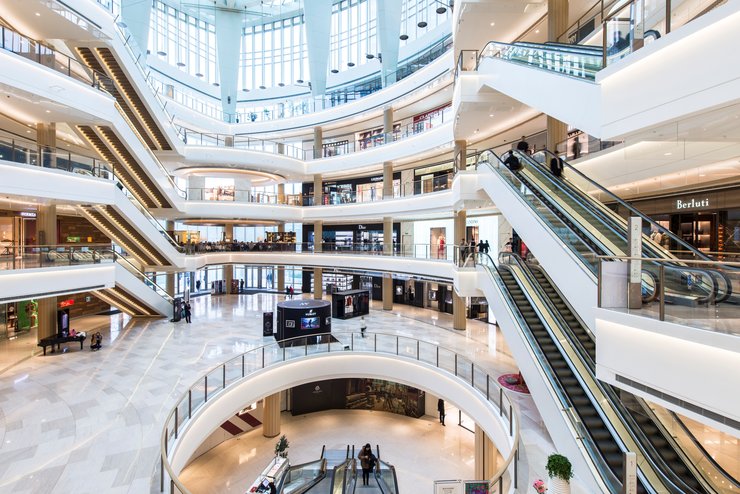
China's luxury market is undergoing a profound transformation as economic headwinds reshape consumer behavior and brand preferences. The $49 billion luxury sector, once dominated by European powerhouses, is witnessing a remarkable shift toward domestic brands that resonate with changing consumer values and economic realities.
The Economic Context
China's cooling economy has fundamentally altered consumer spending patterns in the luxury sector. According to Bain & Company estimates, China's luxury market shrank by as much as 20% last year, representing the steepest decline since at least 2011. This economic environment has particularly impacted foreign luxury brands, with companies like LVMH and Kering experiencing significant share price declines from their recent peaks.
The economic challenges have forced consumers to reconsider their spending priorities. What was supposed to be a post-pandemic spending boom following the lifting of COVID restrictions has instead turned into a period of cautious consumption and reevaluation of value propositions.
The Rise of Domestic Luxury
Chinese consumers are increasingly turning to homegrown luxury brands that offer compelling alternatives to established Western labels. Brands like Songmont, Laopu Gold, Icicle, Mao Geping Cosmetics, and To Summer have demonstrated remarkable growth while their international counterparts struggle.

The growth metrics tell a compelling story. Laopu Gold has seen e-commerce sales surge more than 1,000% during the first three quarters of this year compared with two years ago, while Songmont's online bag sales have grown about 90%. This contrasts sharply with international brands like Gucci, which has seen online bag sales in China slump more than 50%.
Cultural Resonance and Brand Storytelling
The success of Chinese luxury brands extends beyond competitive pricing. These brands have mastered the art of cultural storytelling and creating brand universes that resonate deeply with local consumers. Contrary to common perception, Chinese beauty brands aren't competing primarily on price but are building rich brand narratives rooted in Chinese culture and craftsmanship.
Songmont emphasizes "Eastern aesthetics" with store designs reflecting Chinese calligraphy, while To Summer builds scents around traditional ingredients like tea, osmanthus, and preserved orange peel. Icicle draws on Confucian ideals of harmony and restraint, creating a luxury experience that feels authentically Chinese rather than imported.

Changing Consumer Mindset
Younger Chinese shoppers are driving this shift, no longer viewing Western logos as automatic tickets to sophistication. Modern consumers are hunting for items that feel more tailored to their identity and values. This represents a fundamental change from previous generations who often used luxury purchases as status symbols.
The message from successful Chinese brands is clear: modern luxury can be proudly Chinese. This cultural confidence, combined with quality craftsmanship and compelling design, is creating a new luxury paradigm that challenges established Western dominance in the market.
Future Outlook and Challenges
While Chinese luxury brands show impressive growth, they face significant challenges in scaling beyond their current success. Few domestic brands have crossed the 10-billion-yuan annual revenue mark, and the top 10 best-selling brands in China's personal luxury segment remain Western brands, accounting for 63% of sales last year.
The broader economic challenges that initially hurt foreign luxury brands could eventually affect domestic players as well. For luxury to truly grow, the market needs rising wages and a growing middle class—both of which face challenges from ongoing economic headwinds.
Nevertheless, the trend toward domestic luxury brands represents a significant shift in China's consumer landscape, one that global luxury houses must acknowledge and address as they navigate this evolving market.