The Intentional Shift: How Companies Are Embracing Subscription Models
Businesses across industries are making a deliberate and strategic pivot towards subscription-based revenue models. This shift represents a fundamental change in the relationship between companies and consumers, moving from one-time transactions to ongoing service relationships. Driven by the pursuit of predictable recurring revenue and deeper customer engagement, this model is reshaping entire markets. For consumers, particularly younger generations, it signals a move away from ownership towards access and utility. This article explores the core drivers behind this intentional corporate shift and its implications for the future of commerce.
In today's rapidly evolving digital economy, a profound and intentional transformation is underway. Companies are systematically moving away from traditional ownership-based sales models towards subscription-based frameworks. This strategic pivot is not a fleeting trend but a calculated business evolution, fundamentally altering how value is delivered and consumed. The shift promises predictable revenue streams for businesses and offers consumers continuous access over permanent ownership, a concept that is becoming increasingly normalized, especially among younger demographics. As noted in analysis from Al Jazeera, this trend is creating a world where renting access to services—from entertainment to essential software—is becoming the default.
The Strategic Drivers Behind the Subscription Shift
The corporate move towards subscriptions is driven by several powerful strategic imperatives. Foremost is the pursuit of predictable, recurring revenue. Unlike the volatility of one-time sales, subscription models provide a steady cash flow, enabling better financial forecasting, resource planning, and long-term investment. This model also fosters deeper, more continuous relationships with customers. Instead of a single transaction point, companies maintain an ongoing dialogue, allowing for constant feedback, personalized offerings, and increased customer lifetime value. The shift is intentional because it aligns with modern digital consumption patterns, where users expect seamless, always-updated services rather than static, owned products.
From Ownership to Access: A Generational Divide
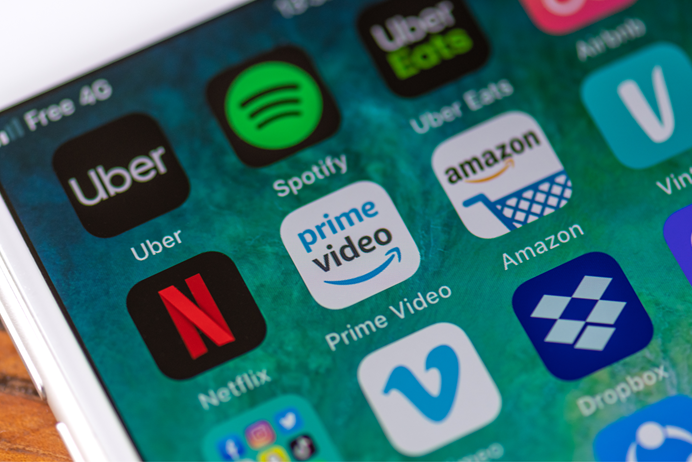
This business model evolution is intersecting with a significant cultural shift, particularly among younger consumers. As highlighted in recent commentary, Generation Z is poised to become the first cohort for whom ownership is not the default. Their economic reality and digital nativity make the access-over-ownership model intuitive. They are accustomed to streaming music on Spotify, watching films on Netflix, and using software via the cloud—all without owning a single CD, DVD, or physical copy. For businesses, this generational preference isn't just a market segment to capture; it's a clear signal of where the broader market is heading. Companies are intentionally structuring their offerings to meet this emerging preference for flexibility and utility over permanence.
Implications for Business and Consumer Dynamics
The widespread adoption of subscription models carries significant implications. For businesses, the competitive landscape changes. Success is no longer just about making a superior product but about delivering superior ongoing service and retaining subscribers. This can lead to more customer-centric innovation but also raises the stakes for constant performance. For consumers, the model offers lower upfront costs and convenience but also creates new forms of lock-in and recurring financial commitments. The relationship becomes continuous, shifting power dynamics and expectations on both sides. The intentional nature of this shift means companies are building entire ecosystems—from payment systems to customer support—designed for this perpetual service cycle.
The Future of the Subscription Economy
Looking ahead, the subscription model's reach is likely to expand beyond digital services into more physical and traditional sectors. Concepts like car subscriptions, clothing rental boxes, and even subscription-based home appliances are gaining traction. The core business imperative remains: transforming customers into long-term subscribers. This requires a relentless focus on delivering consistent value, fostering trust, and ensuring transparency. As this economic model matures, we can expect further refinement, potential regulatory scrutiny, and the emergence of best practices for sustainable subscription business ethics. The intentional corporate shift towards subscriptions is more than a pricing strategy; it is a redefinition of value exchange in the modern economy.