Read on nature.com
Lessons from COVAX: Achieving Vaccine Equity in Global Health Crises
The COVAX initiative represented one of the most ambitious global health efforts in modern history, aiming to ensure equitable COVID-19 vaccine distribution across 140+ countries. While the program successfully delivered over 2 billion doses and averted an estimated 2.7 million deaths in low-income nations, it faced significant challenges in balancing political interests, funding constraints, and logistical realities. This examination by a physician-scientist involved in the initiative reveals critical insights about what worked, what didn't, and how the world can better prepare for future pandemics through more effective global cooperation and resource allocation.
The COVID-19 pandemic exposed profound disparities in global health infrastructure and resource distribution, prompting an unprecedented international response through the COVAX initiative. As a physician-scientist involved in this equitable-access program, I witnessed both remarkable achievements and sobering limitations that provide crucial lessons for future pandemic preparedness. The initiative, co-founded by Gavi, the Vaccine Alliance, alongside the Coalition for Epidemic Preparedness and Innovations, represented a bold attempt to ensure that low- and middle-income countries wouldn't be left "at the back of the queue" as they had been during previous health crises.
The COVAX Achievement: By the Numbers
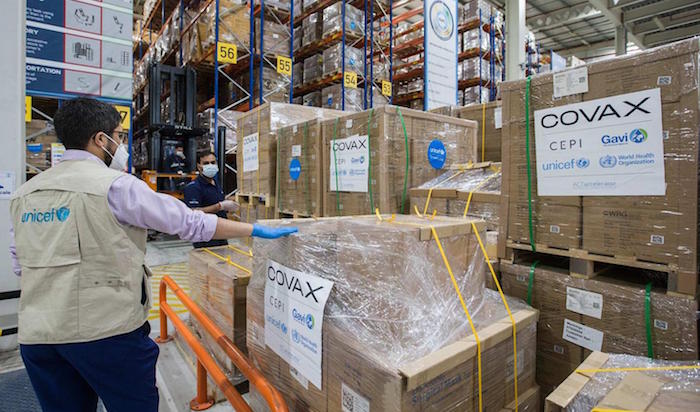
Despite facing unprecedented challenges, COVAX delivered substantial results that demonstrate what's possible when global health organizations coordinate effectively. By the end of 2021, the initiative had distributed more than one billion COVID-19 vaccine doses globally, reaching two billion doses by the end of 2023. Most significantly, 57% of the population in the world's 92 lowest-income countries received initial vaccine protection through COVAX efforts, approaching the global average of 67%. These distributed doses are estimated to have averted 2.7 million deaths in low-income countries by the end of 2022, representing a monumental public health achievement.
Structural Challenges and Compromises
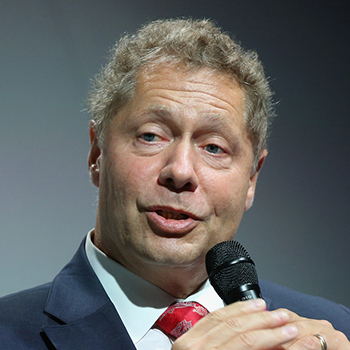
The decision to include high-income countries in COVAX proved both controversial and strategically necessary. As Seth Berkley, then CEO of Gavi, explains in his book Fair Doses, this inclusion helped attract essential funding by offering wealthy nations access to a diversified portfolio of vaccine developers. However, this approach created inherent conflicts, as these same countries often competed directly with COVAX for limited vaccine supplies, leveraging their financial advantage to secure preferential access. The initiative constantly balanced competing priorities: raising billions from foundations and governments while ensuring that the most vulnerable populations received protection.
The Equity Dilemma in Distribution
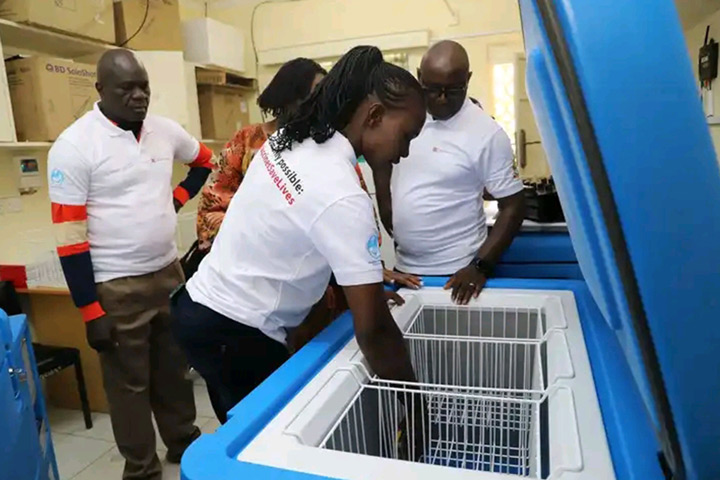
Determining what constituted "equitable distribution" presented one of COVAX's most complex challenges. The initiative initially aimed to provide 20% coverage for each participating country, regardless of specific circumstances. This blanket approach, while transparent, couldn't account for critical variables like varying national infrastructure capabilities, differing susceptibility to severe COVID-19 outcomes, and evolving domestic vaccine procurement. Some countries lacked proper storage and transportation systems, while evidence emerged suggesting varying population-level vulnerability across regions, particularly in Africa where severe outcomes appeared less common for reasons still not fully understood.
Political Realities and Donation Dynamics
The political dimension of vaccine distribution created additional complications. Some wealthy nations transitioned from refusing to share doses to offering near-expired vaccines, often with strings attached. These "politically sensitive gifts" sometimes bypassed COVAX's carefully planned distribution system, with donor countries directing supplies to "friendly" nations regardless of actual need or readiness. This dynamic undermined the initiative's coordinated approach and highlighted how national interests continued to influence what was supposed to be a globally equitable framework.
Preparing for Future Pandemics
The COVAX experience provides a critical roadmap for improving global health equity in future crises. Key lessons include the need for more robust funding mechanisms that don't rely on competing with wealthy nations, clearer algorithms for distribution that account for both need and capacity, and stronger contractual agreements with manufacturers to prevent deprioritization of global health initiatives. As Berkley reflects, "I thought that this time, because of COVAX, we could tackle a pandemic with a meaningful, global commitment to equity. How wrong I was." This honest assessment underscores that while COVAX achieved significant milestones, the world must develop more effective systems for the inevitable next pandemic.
The legacy of COVAX demonstrates both the possibilities and limitations of global health cooperation during crises. While the initiative fell short of its idealistic vision of perfect equity, it established crucial infrastructure and delivered life-saving vaccines to millions who would otherwise have been excluded. The challenge moving forward is to build on these achievements while addressing the structural and political barriers that prevented COVAX from fully realizing its equitable distribution goals. As global health threats continue to emerge, the lessons from this unprecedented effort must inform more effective, truly equitable responses to protect vulnerable populations worldwide.