Protective Brain Cells Discovered That Could Slow Alzheimer's Progression
Groundbreaking research has identified specialized immune cells in the brain that actively protect against Alzheimer's disease. These protective microglia work by reducing inflammation and blocking the spread of harmful proteins associated with Alzheimer's. The discovery, published in Nature, reveals how these cells with lower PU.1 levels and higher CD28 expression could pave the way for new immunotherapy approaches to treat or prevent Alzheimer's disease.
In a significant breakthrough for Alzheimer's research, scientists have discovered specialized immune cells in the brain that actively protect against the progression of Alzheimer's disease. These protective microglia represent a promising new direction for therapeutic development, offering hope for millions affected by this devastating neurodegenerative condition.
The Dual Nature of Microglia in Alzheimer's
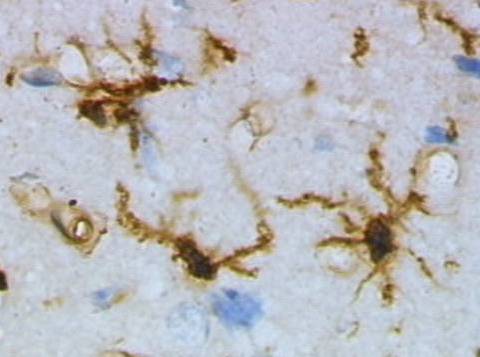
Microglia, the brain's primary immune cells, have long been recognized for their complex role in Alzheimer's disease. Traditionally viewed as either protective or destructive, these cells can either clear harmful debris or contribute to inflammation and damage depending on their activation state. The new research reveals that specific subsets of microglia can be harnessed for their protective capabilities.
Key Molecular Players: PU.1 and CD28
The study identified that microglia with lower levels of the transcription factor PU.1 and higher expression of the CD28 receptor demonstrate remarkable protective properties. PU.1 is a protein that binds to DNA regions, controlling which genes are activated or silenced, while CD28 serves as a signaling receptor that supports immune cell communication. According to research from The Mount Sinai Hospital, this specific molecular configuration enables microglia to suppress brain inflammation and slow the accumulation of amyloid plaques and toxic tau proteins.

Mechanism of Protection
Through studies using mouse models of Alzheimer's and human brain tissue samples, researchers demonstrated that reducing PU.1 levels encourages microglia to express immune-regulating receptors typically found in lymphoid cells. Although these protective microglia constitute only a small portion of total microglia, their impact is substantial. They suppress inflammation throughout the brain and help preserve memory and survival in experimental models. When researchers removed CD28 from this specific microglial subset, inflammation worsened and plaque growth increased, confirming CD28's essential role in maintaining these brain-protective cells.
Genetic Connections to Alzheimer's Risk
The findings build upon earlier genetic research that identified a common variant in the SPI1 gene, which produces PU.1, linked to lower Alzheimer's disease risk. Dr. Alison Goate, a senior co-author of the study, noted that these results provide a mechanistic explanation for why lower PU.1 levels are associated with reduced Alzheimer's disease risk. This connection between genetic predisposition and cellular function represents a crucial step in understanding Alzheimer's pathology.
Implications for Future Therapies
The discovery of the PU.1-CD28 relationship offers a new molecular framework for understanding how microglia can protect the brain. As explained by Dr. Anne Schaefer, senior author of the paper, "Microglia are not simply destructive responders in Alzheimer's disease—they can become the brain's protectors." This insight strengthens the potential for developing immune-based therapies that target microglial activity to alter Alzheimer's disease progression. The research suggests that strengthening these natural defenders could lead to entirely new treatment approaches for Alzheimer's disease.

Conclusion
The identification of protective microglia represents a paradigm shift in Alzheimer's research, moving beyond simply targeting amyloid plaques to harnessing the brain's natural defense mechanisms. This discovery opens exciting possibilities for immunotherapy approaches that could slow or prevent Alzheimer's progression. As international collaboration continues to advance our understanding of these protective cells, we move closer to developing effective treatments for one of the most challenging neurodegenerative diseases affecting our aging population.