Hidden Brain Damage from Common Pesticide: Chlorpyrifos Linked to Lasting Neurological Harm
New research from Columbia University reveals that prenatal exposure to the insecticide chlorpyrifos causes widespread brain abnormalities and poorer motor skills in children. The study, published in JAMA Neurology, followed 270 children from New York City and found that higher prenatal exposure levels correlated with more pronounced structural and functional brain differences. Despite a 2001 residential ban, ongoing agricultural use continues to endanger developing brains, particularly affecting farm workers and nearby communities.
Recent scientific findings have uncovered alarming connections between prenatal exposure to the commonly used insecticide chlorpyrifos and lasting neurological damage in children. A groundbreaking study published in JAMA Neurology reveals that this pesticide, despite being banned for residential use since 2001, continues to pose significant risks to developing brains through ongoing agricultural applications.

Study Methodology and Key Findings
The research team from Columbia University Mailman School of Public Health, Children's Hospital Los Angeles, and the Keck School of Medicine of USC conducted a comprehensive investigation involving 270 participants from the Columbia Center for Children's Environmental Health birth cohort. All participants were born to Latino and African-American mothers in New York City and had detectable levels of chlorpyrifos in their umbilical cord blood at birth.
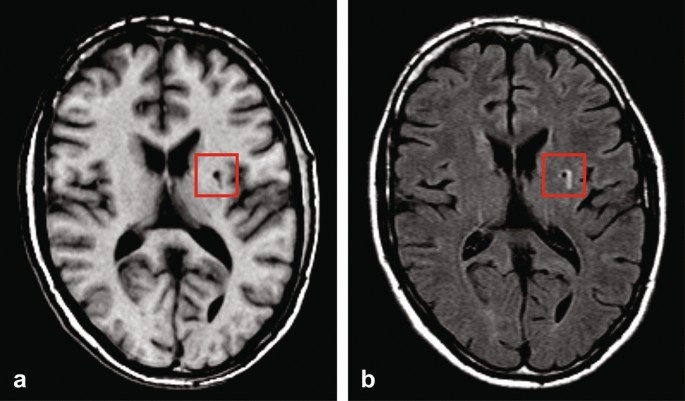
Children underwent detailed brain imaging and behavioral assessments between ages 6 and 14, revealing a clear pattern: those with higher prenatal exposure to chlorpyrifos displayed more pronounced structural and functional brain abnormalities. The study marks the first time researchers have identified lasting molecular, cellular, and metabolic effects in the human brain directly tied to prenatal CPF exposure.
Persistent Motor Skill Deficits
The neurological impact extended beyond brain structure to measurable functional differences. Children with higher exposure levels performed significantly worse on tests measuring motor speed and coordination. These findings suggest that chlorpyrifos exposure before birth disrupts brain development in direct proportion to exposure levels, with effects that persist for years after birth.
According to Dr. Bradley Peterson, first author of the study and Vice Chair for Research at Keck School of Medicine of USC, "The disturbances in brain tissue and metabolism that we observed with prenatal exposure to this one pesticide were remarkably widespread throughout the brain."
Ongoing Public Health Concerns
While the residential ban on chlorpyrifos in 2001 reduced indoor exposure, the pesticide remains approved for agricultural use on non-organic produce and grains. This continued application means farm workers and communities near agricultural areas continue to face exposure risks through contaminated air and dust.
Senior author Virginia Rauh, ScD, emphasized the ongoing danger: "Current widespread exposures, at levels comparable to those experienced in this sample, continue to place farm workers, pregnant women, and unborn children in harm's way." The research highlights the critical need for continued monitoring of exposure levels in vulnerable populations, particularly pregnant women in agricultural communities.

Broader Implications for Public Health
The study's findings extend beyond chlorpyrifos alone. Researchers note that other organophosphate pesticides likely produce similar neurological effects, warranting increased caution to minimize exposures during pregnancy, infancy, and early childhood when brain development is most rapid and vulnerable to toxic chemicals.
The research underscores the importance of protective measures for pregnant women and young children, particularly those living in agricultural areas where pesticide exposure remains prevalent. As scientific understanding of these neurological risks grows, so does the urgency for comprehensive public health policies that protect developing brains from preventable chemical exposures.