Read on PBS News
Election Results Deepen Government Shutdown Stalemate as Democrats Gain Momentum
Recent election victories that energized Democrats and angered former President Donald Trump have created new obstacles to ending the record-breaking government shutdown, now at 37 days and counting. The political fallout from Democratic gubernatorial wins in Virginia and New Jersey has hardened positions on both sides, with Democrats viewing the results as validation of their shutdown strategy while Republicans face increasing pressure from Trump to find a resolution. As the shutdown's toll deepens with FAA staffing shortages and millions affected by halted government services, the path to compromise appears increasingly elusive despite the growing economic and social consequences.
The political landscape surrounding the record-breaking government shutdown has shifted dramatically following recent election results that energized Democratic forces and intensified pressure on Republicans. With the shutdown now extending to 37 days—the longest in U.S. history—the electoral outcomes have created fresh complications for negotiations, hardening positions on both sides of the political divide.
Election Fallout Reshapes Shutdown Dynamics
The Democratic victories in key gubernatorial races have significantly altered the political calculus surrounding the shutdown standoff. President Trump characterized the shutdown as a "big factor, negative" in the poor Republican showings across the country, increasing pressure on Senate Republicans to find a resolution. Meanwhile, Democrats interpreted the election results as voter endorsement of their strategy to keep the government closed until their demands on health care subsidies are addressed.
Senator Chris Murphy of Connecticut articulated the Democratic perspective, stating, "It would be very strange for the American people to have weighed in, in support of Democrats standing up and fighting for them, and within days for us to surrender without having achieved any of the things that we've been fighting for." This sentiment reflects the renewed confidence among Democrats following their electoral successes.
Trump's Evolving Shutdown Strategy
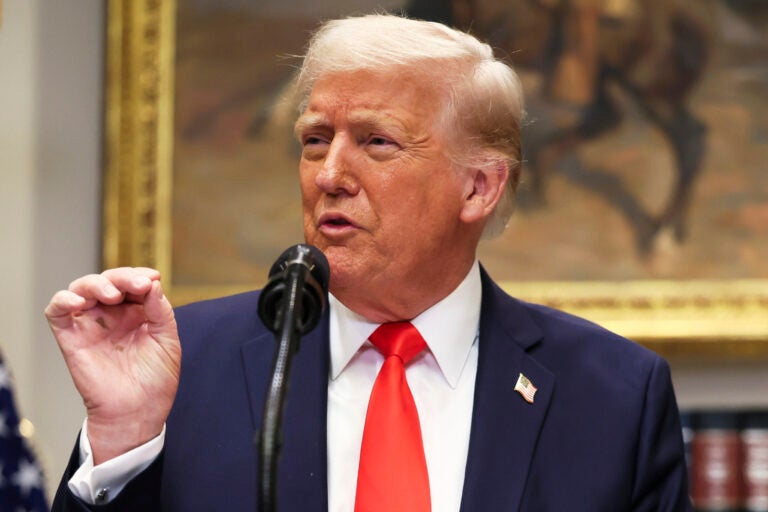
The former president's approach to the current shutdown differs markedly from his handling of previous government closures. Unlike during his first term, when he engaged in public negotiations with congressional leaders over border wall funding, Trump has largely remained distant from direct talks this time. Instead, he has focused pressure on Senate Republicans to eliminate the filibuster—a procedural rule requiring 60 votes to pass most legislation—which he described as essential for the "survival of our country."

Trump's refusal to negotiate with Democrats until they agree to reopen the government has created a fundamental impasse. His administration's recent restrictions on SNAP food aid, despite court orders to maintain funding, have further eroded trust among Democratic negotiators who question whether any agreements would be honored.
Deepening Consequences of Prolonged Closure
The shutdown's impact continues to expand across multiple sectors of American society. The Federal Aviation Administration announced plans to reduce air traffic by 10% across 40 high-volume markets due to staffing shortages, potentially disrupting travel for millions of Americans. This development represents just one facet of the growing crisis affecting government services nationwide.
Hundreds of thousands of federal workers face continued uncertainty, with many either furloughed or working without pay. Critical programs including food assistance, child care funding, and countless other government services have been seriously interrupted. The approaching round of federal paydays threatens to compound the economic hardship for affected families and communities.

Negotiation Challenges and Potential Pathways
Centrist senators from both parties continue searching for potential compromise, though the path forward remains uncertain. Senate Majority Leader John Thune has promised Democrats at least a vote on their preferred health care proposal as part of any deal to reopen government. However, this assurance has failed to satisfy some Democratic senators who view the health care deadlock as part of broader concerns about the country's direction.
The expiration of enhanced Affordable Care Act subsidies at year's end adds urgency to the negotiations. With insurance premium notices already being sent, millions of Americans face skyrocketing health care costs that could leave many unable to afford coverage. The loss of pandemic-era tax credits threatens to create a health care crisis independent of the shutdown itself.
As the political stalemate continues, the fundamental question remains whether either side will soften their positions enough to allow meaningful negotiations. The election results appear to have reinforced rather than resolved the underlying tensions, suggesting that the record-breaking shutdown may continue for the foreseeable future, with consequences extending far beyond the halls of Congress.