Read on nature.com
Public Partnership: The Missing Link in Virology Safety Standards
Recent discussions about strengthening virology safety protocols have overlooked a crucial stakeholder: the public. As scientific leaders propose international guidelines for managing dangerous virus research, the absence of public engagement threatens both the effectiveness and public trust in these critical safety measures. This article explores why public partnership is essential for developing robust virology safeguards and how excluding community voices undermines pandemic preparedness efforts.
In the wake of recent safety concerns in virology research, scientific leaders have proposed developing international guidelines to strengthen protocols for working with dangerous pathogens. However, a critical oversight in these discussions has emerged: the exclusion of public stakeholders from the safety design process. This gap represents a significant vulnerability in our global approach to pandemic preparedness and scientific transparency.
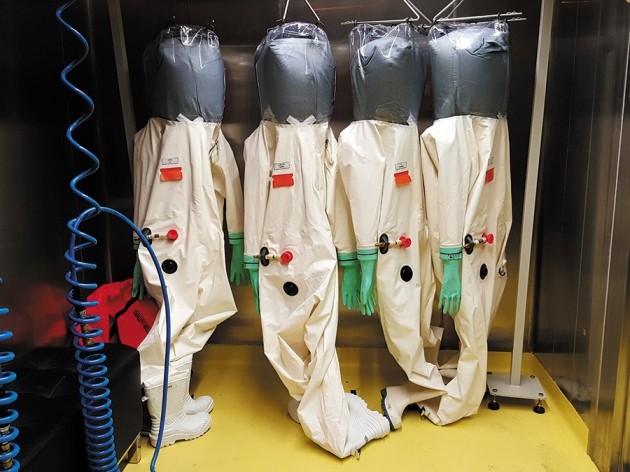
The Current Safety Framework Gap
The scientific community acknowledges that safety measures for researching potentially dangerous viruses can occasionally prove inadequate. Recent commentary in Nature highlights this concern, noting that while researchers recognize the need for improved protocols, the proposed solutions focus exclusively on scientific and technical expertise. This approach fails to address the crucial dimension of public trust and community engagement that underpins successful safety implementation.
Why Public Partnership Matters
Public involvement in virology safety design serves multiple essential functions. First, it builds trust between scientific institutions and the communities they serve. When the public understands and contributes to safety protocols, they become partners in the process rather than passive observers. Second, public perspectives can identify potential safety concerns that technical experts might overlook, particularly regarding community impact and communication.

The Consequences of Exclusion
Excluding public voices from safety discussions risks creating protocols that, while technically sound, lack community buy-in and understanding. This disconnect can lead to public resistance, reduced political support, and ultimately weaker pandemic preparedness. As noted in the Nature correspondence, political and public support directly impacts research institutions' capacity to contribute to global health security.
Moving Forward: Inclusive Safety Design
The path forward requires integrating public stakeholders into safety guideline development from the outset. This means creating structured opportunities for community input, transparent communication about research risks and benefits, and collaborative design processes that value both technical expertise and public perspective. Such an approach would strengthen both the technical robustness and social acceptance of virology safety measures.
Developing effective safeguards for virology research requires more than scientific expertise alone. By partnering with the public in safety design, the scientific community can build protocols that are not only technically sound but also socially supported and sustainable. This collaborative approach represents our best chance at creating a truly resilient global health security framework.