Read on PBS News
Senator Warner Condemns Partisan Military Briefing on South America Boat Strikes
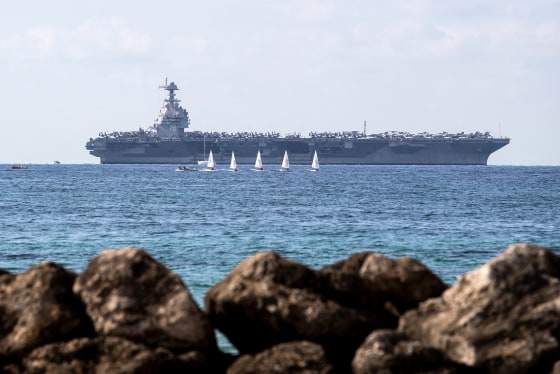
Senator Mark Warner, the top Democrat on the Senate Intelligence Committee, has strongly criticized the Trump administration for holding a partisan briefing on recent U.S. military boat strikes in South American waters. Warner described the exclusion of Democratic senators as 'outrageous' and contrary to established national security norms. The incident comes as Congress prepares to vote on war powers legislation that would restrict military actions near Venezuela without congressional approval.
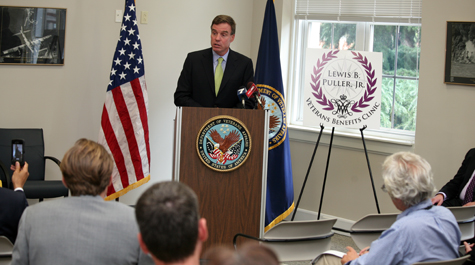
Senator Mark Warner, the senior Democrat on the Senate Intelligence Committee, has issued a sharp condemnation of what he describes as an "outrageous" partisan briefing conducted by the Trump administration regarding recent U.S. military operations in South American waters. The Virginia senator's remarks highlight growing concerns about the erosion of bipartisan cooperation in national security matters and the potential consequences for democratic oversight of military actions.
Breaking with National Security Norms
According to PBS NewsHour reporting, Warner characterized the administration's gradual efforts to exclude Democrats from national security briefings as "against every norm of how national security policy has worked" and "an erosion of trust" with the American public. The senator emphasized that every United States senator should have access to such critical information, stating that rebuilding trust becomes impossible when such exclusions occur.
Congressional Response and Republican Participation
Warner expressed particular disappointment with Republican senators who attended the meeting, including members of leadership and more moderate members of the GOP conference. He suggested that "somebody should have walked out" in protest of the partisan nature of the briefing. This incident represents a significant departure from the traditional bipartisan approach to national security oversight that has characterized congressional-military relations for decades.
Implications for War Powers Legislation
The controversy emerges at a critical moment, as the Senate is expected to vote next week on a war powers resolution that would prohibit military strikes in or near Venezuela without congressional approval. The partisan nature of the briefing raises questions about the administration's commitment to transparent congressional consultation regarding military actions in the region. Warner's strong reaction underscores the tension between executive authority and legislative oversight in matters of national security.
The senator's comments reflect broader concerns about the proper balance of power between the executive and legislative branches, particularly regarding military operations and national security policy. As Congress prepares to consider significant war powers legislation, this incident highlights the challenges facing bipartisan cooperation in overseeing military actions and ensuring proper democratic accountability for decisions that could have far-reaching consequences.