 Read on cbsnews.com
Hurricane Melissa Makes Landfall in Cuba as Extremely Dangerous Category 3 Storm
Hurricane Melissa made landfall over eastern Cuba early Wednesday as an extremely dangerous Category 3 storm, bringing damaging winds, flooding rains, and dangerous storm surge. The storm, which previously pummeled Jamaica with 185 mph winds, prompted the evacuation of approximately 735,000 people in Cuba. Authorities warn of life-threatening flooding and numerous landslides as the storm moves across the region, potentially worsening Cuba's existing economic crisis.
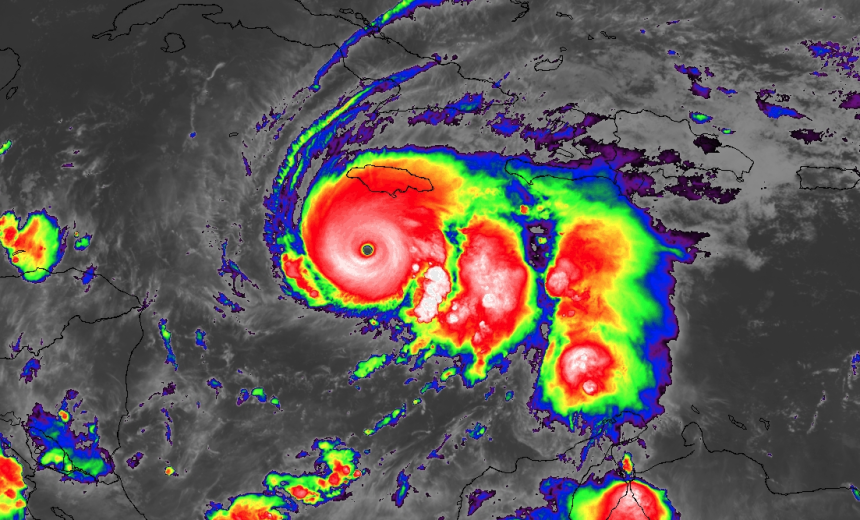
Hurricane Melissa made landfall over eastern Cuba near the city of Chivirico early Wednesday as an "extremely dangerous" Category 3 storm, according to the Miami-based National Hurricane Center. The storm arrived after devastating Jamaica as one of the strongest Atlantic hurricanes on record, marking a significant weather event affecting multiple Caribbean nations.
Storm Impact and Current Status
As of the 5 a.m. EDT advisory, Hurricane Melissa was hitting eastern Cuba with top sustained winds of 115 mph, having weakened slightly from 120 mph at landfall. The storm was moving northeast at 12 mph, with its core positioned approximately 60 miles west of Guantánamo, Cuba, and 230 miles south of the central Bahamas. A hurricane warning remained in effect for the provinces of Granma, Santiago de Cuba, Guantanamo, Holguin, and Las Tunas, as well as the southeastern and central Bahamas.
Emergency Preparations and Evacuations
Cuban authorities implemented extensive safety measures ahead of the storm's arrival. President Miguel Díaz-Canel Bermúdez announced the evacuation of approximately 735,000 people, emphasizing that "no one is left behind and no resources are spared to protect the lives of the population." Provinces from Guantánamo to Camagüey had already suspended classes on Monday in preparation for the approaching hurricane.

Regional Damage Assessment
The storm's impact on Jamaica was severe, with officials reporting extensive damage in parts of Clarendon and St. Elizabeth parish, which was described as "under water" by Desmond McKenzie, deputy chairman of Jamaica's Disaster Risk Management Council. The hurricane damaged four hospitals and left one without power, forcing the evacuation of 75 patients. More than half a million customers lost power across the island, with widespread reports of downed trees, power lines, and extensive flooding.
Forecast and Continuing Threats
According to the National Hurricane Center, Melissa was expected to weaken as it crosses Cuba through Wednesday morning but remain a powerful hurricane as it moves across the southeastern or central Bahamas later in the day. The storm is then forecast to approach Bermuda by late Thursday, where a hurricane watch is in effect. Forecasters warned that continuing intense rain could cause life-threatening flooding with numerous landslides in affected regions.
The hurricane could potentially worsen Cuba's severe economic crisis, which has already led to prolonged power blackouts, fuel shortages, and food shortages throughout the country. President Díaz-Canel acknowledged that "there will be a lot of work to do" and that "we know there will be a lot of damage" from what he described as "the strongest ever to hit national territory."