Read on PBS News
Federal Food Aid Suspended November 1 as Government Shutdown Continues
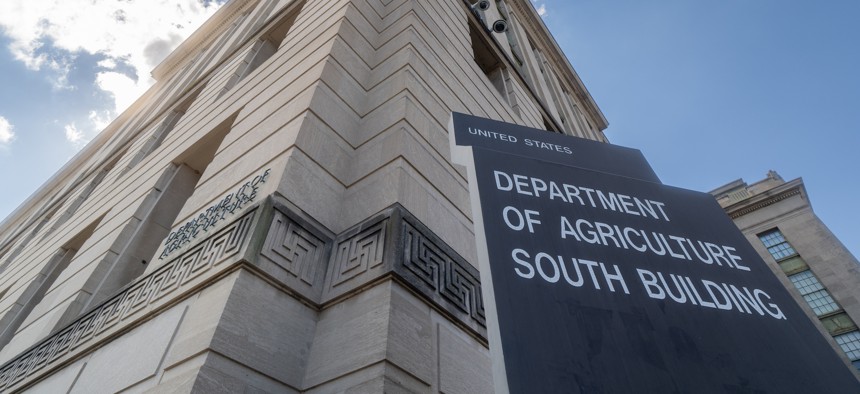
The U.S. Department of Agriculture has announced that federal food assistance benefits will not be distributed on November 1 due to the ongoing government shutdown. This development affects millions of American families who rely on SNAP benefits for grocery purchases, with approximately 1 in 8 Americans potentially impacted by the cutoff. The Trump administration has declined to use $5 billion in contingency funds to maintain the program, escalating the consequences of the political impasse that began October 1 and has now become the second-longest shutdown in U.S. history.
The ongoing government shutdown has reached a critical juncture with the U.S. Department of Agriculture's announcement that federal food assistance benefits will not be distributed on November 1. This development significantly expands the shutdown's impact beyond federal workers to millions of American families who depend on nutritional assistance programs for their basic food needs.
Immediate Impact on SNAP Beneficiaries
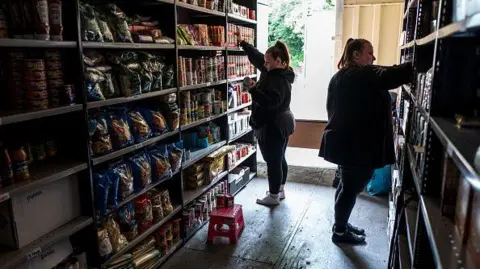
The Supplemental Nutrition Assistance Program, commonly known as SNAP, serves approximately 1 in 8 Americans, making it one of the nation's most vital anti-hunger programs. The USDA notice explicitly states that "the well has run dry" regarding available funding for November benefits. This cutoff represents a dramatic escalation in the shutdown's consequences, moving from affecting federal employees to impacting some of the nation's most vulnerable populations.
Political Stalemate and Funding Dispute
The current impasse stems from fundamental disagreements between political parties. Democrats have refused to reopen the government until Republicans negotiate extensions for expiring Affordable Care Act subsidies, while Republicans insist that Democrats must first agree to reopen the government before any negotiations can occur. This political deadlock has created what the USDA describes as an "inflection point for Senate Democrats" with immediate real-world consequences for American families.
Contingency Funds Controversy
The Trump administration has declined to tap approximately $5 billion in contingency funds that could have maintained SNAP benefits through November. According to a USDA memo that surfaced recently, these funds are "not legally available to cover regular benefits" and are reserved for emergency situations such as disaster relief. The administration cited Hurricane Melissa as an example of why maintaining these contingency funds for disaster response remains essential.
State Responses and Preparations
States across the country are responding differently to the impending benefit suspension. Some states have pledged to continue SNAP benefits using their own resources, though the USDA memo clarifies that states would not be reimbursed for temporarily covering these costs. Other states, including Arkansas and Oklahoma, are advising recipients to prepare for benefit cessation by identifying local food pantries and community organizations that can provide emergency food assistance.
Growing Concerns and Political Reactions
The prospect of millions of Americans losing food assistance has generated bipartisan concern among state governments. Senator Chris Murphy of Connecticut emphasized the urgency of the situation, stating that if political leaders would sit down to negotiate, "we could open up the government on Tuesday or Wednesday, and there wouldn't be any crisis in the food stamp program." This sentiment reflects the growing pressure on both parties to resolve the shutdown before the November 1 deadline.
Conclusion: Urgent Need for Resolution
The suspension of SNAP benefits represents a significant escalation in the government shutdown's impact on American families. With November 1 rapidly approaching, the need for a political resolution becomes increasingly urgent. The situation underscores how political disagreements in Washington can have immediate and severe consequences for vulnerable populations across the nation. As the shutdown continues into its record-breaking duration, all parties face mounting pressure to find common ground and restore essential services to those who depend on them.