 Read on cbsnews.com
Government Reopens After Record 43-Day Shutdown Ends
The longest government shutdown in U.S. history concluded as President Trump signed legislation to fund federal agencies through January 30, 2025. The 43-day impasse forced thousands of federal workers to go without pay, disrupted air travel, and threatened food benefits for millions of Americans. As agencies resume normal operations, the economic impact is estimated at $92 billion with approximately 60,000 non-federal jobs lost. The resolution sets the stage for upcoming congressional battles over health care tax credits while federal employees begin receiving back pay.
The longest government shutdown in modern U.S. history concluded on Wednesday as President Trump signed legislation to fund federal agencies through January 30, 2025, ending a 43-day impasse that had widespread economic and social consequences. The shutdown, which began in late September, forced thousands of federal employees to work without pay, disrupted air travel across the country, and threatened food benefits for millions of Americans.
Resolution and Funding Details
The Senate approved the funding package on Monday, with seven Democrats and one independent joining Republicans to break the standoff. The House followed suit on Wednesday, with six Democrats crossing party lines to support the legislation. The funding package extends support for most agencies until January 30 and includes three bills that fund other government sectors through September 2026.
According to CBS News reporting, the shutdown impacted 42 million federal food aid recipients, 670,000 furloughed federal employees, and 4,000 government workers who faced layoffs. The economic damage was estimated to exceed $7 billion.
Immediate Reopening Effects
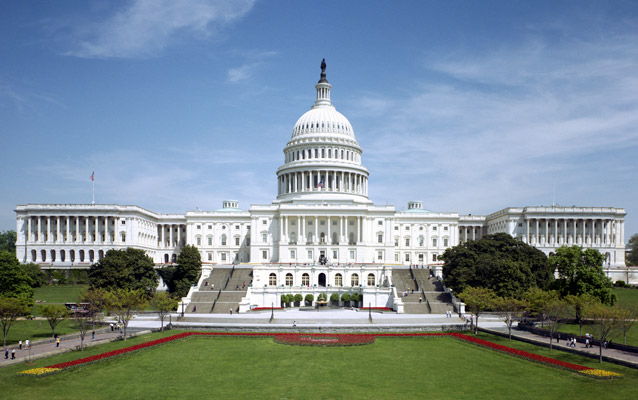
Federal agencies began reopening Thursday morning as furloughed employees returned to work and normal operations resumed. The Capitol Visitor Center reopened to public tours, with visitors expressing relief at the resolution. The Office of Personnel Management confirmed that "normal operating procedures are in effect" for Washington-area federal agencies.

Homeland Security Secretary Kristi Noem announced that TSA agents with "exemplary service" during the shutdown would receive $10,000 bonus checks in addition to their back pay. The Smithsonian Institution announced staggered reopenings, with major museums and the National Zoo scheduled to resume operations by Monday.
Economic Impact and Recovery
The economic consequences of the shutdown were significant, with National Economic Council Director Kevin Hassett estimating the shutdown cost the economy about $15 billion per week, totaling approximately $92 billion. The Council of Economic Advisers estimated about 60,000 non-federal workers lost their jobs due to downstream effects.
Delta CEO Ed Bastian expressed confidence that air travel would return to normal by the weekend, reassuring travelers that "it's incredibly safe to fly." The economic firm Anderson Economic Group noted that the 2025 shutdown had worse effects than the 2018-2019 episode, with beer and auto sales both declining significantly during October.
Back Pay and Employee Compensation
More than 1.4 million federal employees who went without pay during the shutdown will begin receiving back pay as early as Sunday, according to a White House Office of Management and Budget memo. The administration aims to complete backlogged payments by November 19, with different agencies processing payments on staggered schedules.
Hundreds of thousands of essential employees continued working during the shutdown without compensation, while nonessential employees were furloughed. Both groups are entitled to back pay for the missed paychecks during the 43-day closure.
Future Political Battles
The resolution of the funding battle sets the stage for upcoming congressional fights over health care tax credits under the Affordable Care Act, which expire at the end of the year. As part of the shutdown deal, Democrats secured a promise for a Senate vote next month on the tax credits, which help millions of Americans pay for health insurance premiums.

Democratic Senator Brian Schatz of Hawaii emphasized that "the health care fight lives outside of the appropriations process and doesn't depend entirely on the government being shut down. So now we have a fight in front of us." The upcoming debate promises to be contentious as Congress faces the January 30 deadline for the next funding extension.
The government reopening marks a temporary resolution to the political standoff, but the underlying issues that prompted the shutdown remain unresolved, setting the stage for potential future confrontations as the January funding deadline approaches.