Khankhuuluu: The Dragon Prince That Paved the Way for Tyrannosaurus Rex
Paleontologists have discovered Khankhuuluu, a new Mongolian dinosaur species that represents the closest-known ancestor to giant Tyrannosaurs like T. rex. This 86-million-year-old predator, nicknamed the 'dragon prince,' provides crucial insights into the evolutionary transition from agile mid-sized hunters to apex predators. The findings also suggest that large Tyrannosaurs first evolved in North America following migration from Asia, rewriting our understanding of dinosaur evolution and continental dispersal patterns.
The world of paleontology has been revolutionized by the discovery of Khankhuuluu mongoliensis, a newly identified dinosaur species that represents a critical missing link in the evolutionary history of Tyrannosaurs. This remarkable find, led by researchers from the University of Calgary, provides unprecedented insights into how small, agile predators evolved into the colossal apex hunters that dominated prehistoric landscapes.

The Dragon Prince Emerges
Named from Mongolian meaning "prince of dragons" or "the dragon prince," Khankhuuluu perfectly captures its position in the Tyrannosaur family tree—standing as the royal predecessor before the "king," Tyrannosaurus rex. According to research published in Nature, this medium-sized predator lived approximately 86 million years ago and weighed around 750 kilograms, roughly the size of a modern horse. Its discovery fills a crucial gap in our understanding of how Tyrannosaurs ascended to become the dominant carnivores of their ecosystems.
Anatomy of a Transitional Predator
Khankhuuluu displayed a fascinating combination of primitive and advanced features that mark it as a true transitional form. The dinosaur possessed a long, shallow skull with small horn-like structures on its head—features that would become more pronounced in later Tyrannosaur species like Albertosaurus and Gorgosaurus. These horns likely served purposes in mating displays or intimidation rituals.
Unlike its bone-crushing descendant T. rex, Khankhuuluu lacked the powerful bite strength that characterized later Tyrannosaurs. Instead, scientists describe it as a mesopredator, comparable to modern coyotes in its ecological role. Its lean build and physical characteristics suggest it relied on speed and agility rather than brute force to hunt prey.

Continental Migration and Evolution
The discovery of Khankhuuluu in Mongolia's Bayanshiree Formation has profound implications for understanding dinosaur migration patterns between continents. Research led by Dr. Darla Zelenitsky indicates that Khankhuuluu or a closely related species likely migrated from Asia to North America around 85 million years ago. This migration event appears to have been the catalyst for the evolution of large Tyrannosaurs in North America.
The study suggests these intercontinental migrations were rarer and more limited than previously believed. Khankhuuluu represents the last known Asian ancestor of the Tyrannosaurs before their remarkable diversification in North America. This finding challenges previous assumptions about the frequency and nature of dinosaur dispersal between Asia and North America during the Late Cretaceous period.
From Prince to King: The Tyrannosaur Transformation
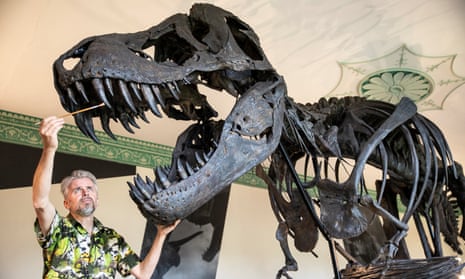
The evolutionary journey from Khankhuuluu to T. rex represents one of the most dramatic transformations in dinosaur history. After crossing the land bridge into North America, descendants of Khankhuuluu evolved into the formidable apex predators that would dominate the continent for millions of years. Fossil evidence indicates that Tyrannosaurs thrived in North America before some species eventually returned to Asia, where the lineage split into two distinct branches.
One branch produced massive predators like T. rex, while the other evolved into more slender, long-snouted varieties often nicknamed "Pinocchio rexes." This diversification demonstrates how environmental factors and geographic isolation drove the evolution of different predatory strategies within the Tyrannosaur family.
Scientific Significance and Future Research
The identification of Khankhuuluu represents a landmark achievement in paleontology, providing the clearest picture yet of Tyrannosaur evolution during a critical transitional period. The fossils, first studied in the 1970s by paleontologist Altangerel Perle, were re-examined in 2023 by PhD candidate Jared Voris, who noticed subtle but crucial differences that distinguished them from the similar species Alectrosaurus.
Looking forward, the research team plans to investigate earlier and less-understood ancestors of these apex predators to complete the evolutionary story of Tyrannosaurs. Each new discovery brings us closer to understanding the complex factors that shaped the rise and fall of Earth's most famous predators.