Vice President Vance's Middle East Trip and Jan. 6 Rioter Threat Allegations
Recent developments in U.S. politics include Vice President Vance's diplomatic mission to the Middle East and concerning allegations involving a pardoned January 6 rioter. These events highlight ongoing challenges in foreign policy and domestic security. The situation underscores the complex intersection of international diplomacy and domestic political tensions that continue to shape the current political landscape.
Recent political developments have brought attention to both international diplomacy and domestic security concerns, with Vice President Vance's Middle East trip and disturbing allegations involving a pardoned January 6 rioter making headlines. These parallel developments highlight the multifaceted challenges facing the current administration and the ongoing political tensions within the United States.

Vice President Vance's Middle East Diplomatic Mission
The Vice President's trip to the Middle East represents a significant diplomatic effort by the current administration. This mission comes at a crucial time for international relations in the region, with multiple complex geopolitical factors at play. The visit underscores the administration's commitment to maintaining and strengthening relationships with key Middle Eastern partners while addressing ongoing regional challenges.
Diplomatic missions of this nature typically involve high-level discussions covering security cooperation, economic partnerships, and regional stability initiatives. The Vice President's engagement with Middle Eastern leaders follows established protocols for such diplomatic visits, focusing on mutual interests and shared objectives between the United States and regional partners.
Security Concerns and Political Tensions
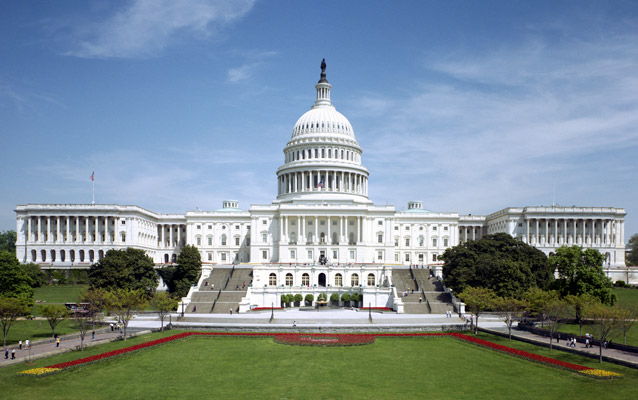
The alleged threat to the House Minority Leader from a pardoned January 6 rioter raises serious security concerns and highlights ongoing political divisions. This development comes amid continued discussions about the aftermath of the January 6 Capitol breach and the broader implications for political discourse and security protocols.
Security agencies typically respond to such threats with increased protective measures and thorough investigations. The situation underscores the importance of maintaining robust security protocols for elected officials while balancing public accessibility and democratic principles.
Broader Political Implications
These simultaneous developments reflect the complex nature of current American politics, where international diplomacy and domestic security concerns often intersect. The administration's ability to manage both foreign policy objectives and domestic political stability remains a critical challenge.
The ongoing attention to January 6-related issues continues to influence political dynamics and public discourse. Meanwhile, diplomatic efforts in sensitive regions like the Middle East require careful navigation of complex international relationships and strategic interests.

As these situations develop, they will likely continue to shape political narratives and policy priorities. The administration's handling of both international diplomacy and domestic security concerns will be closely watched by political observers and the public alike, with implications for both short-term political dynamics and long-term strategic objectives.