Read on PBS News
Supreme Court to Rule on Birthright Citizenship as Multiple Legal Cases Advance
The U.S. Supreme Court has agreed to review the legality of President Trump's executive order ending birthright citizenship, setting the stage for a landmark ruling on the 14th Amendment. This development comes alongside significant legal actions, including a federal judge ordering the release of Jeffrey Epstein grand jury materials and a confession in the January 6 pipe bomb case. These parallel proceedings highlight a critical moment for constitutional interpretation and judicial transparency in American governance.
The American legal landscape is poised for several consequential developments as the Supreme Court prepares to weigh in on a fundamental question of citizenship while other high-profile cases advance through the justice system. These proceedings collectively underscore the ongoing tension between executive authority, constitutional principles, and judicial oversight in contemporary governance.
Supreme Court to Review Birthright Citizenship Order
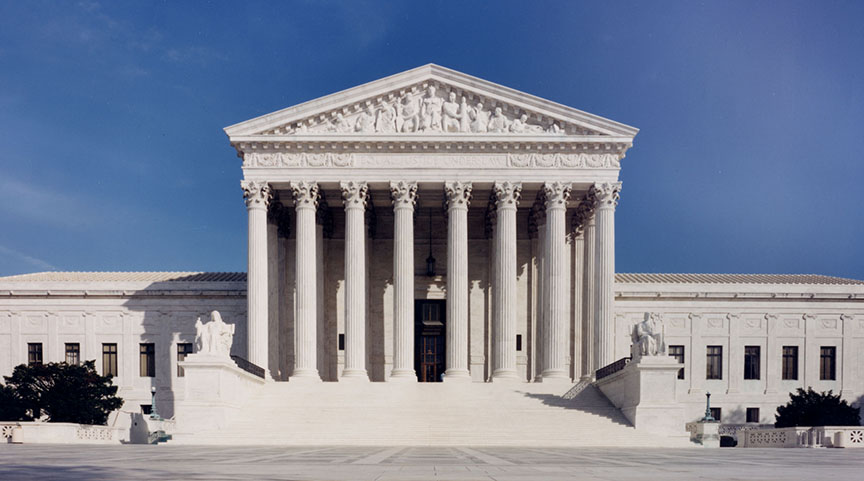
The U.S. Supreme Court has agreed to hear a case challenging President Donald Trump's executive order that seeks to end birthright citizenship. This decision follows Trump's appeal of a lower court ruling that struck down the order as unconstitutional. At the heart of this legal battle is the interpretation of the 14th Amendment, which guarantees citizenship to "all persons born or naturalized in the United States." The case represents another major Trump immigration policy reaching the nation's highest court, with potential implications that could redefine a core principle of American law. Arguments are scheduled for the spring session, with a ruling expected by summer 2026.
Epstein Grand Jury Materials Ordered for Release
In a separate but significant development, a federal judge in Florida has ordered the release of materials from the 2005 and 2007 grand jury investigations into the late convicted sex offender Jeffrey Epstein. U.S. District Judge Rodney Smith granted the Justice Department's renewed petition following the passage of a new congressional law last month requiring disclosure of all records related to Epstein. While the exact timing of the document release remains uncertain, the law establishes a December 19 deadline for compliance. This ruling marks a victory for transparency advocates who have long sought greater public insight into the investigations surrounding Epstein's activities.

January 6 Pipe Bomb Suspect Confesses
The legal proceedings related to the January 6, 2021, Capitol attack continue to unfold with new developments. Brian Cole Jr., the 30-year-old Virginia man charged with planting pipe bombs in Washington, D.C., on the eve of the insurrection, reportedly confessed to the acts during interviews with investigators. Cole did not enter a plea during his initial court appearance, and sources familiar with the investigation indicate his actions were motivated by belief in former President Trump's false claims about the 2020 election. Law enforcement officials have not publicly confirmed a motive, and Cole is scheduled for a detention hearing in mid-December as the case progresses through the judicial system.
Broader Implications for Constitutional Interpretation
These simultaneous legal developments reflect broader questions about the boundaries of executive power, the role of the judiciary in checking that power, and public access to government proceedings. The birthright citizenship case specifically tests the limits of presidential authority to reinterpret constitutional provisions through executive action. Legal scholars are closely watching how the Court navigates the tension between textual interpretation of the 14th Amendment and contemporary immigration policy objectives. The outcome could establish important precedents for future administrations seeking to implement significant policy changes without congressional approval.
Transparency and Accountability in Judicial Proceedings
The ordered release of Epstein investigation materials represents a significant step toward greater transparency in federal grand jury proceedings, which are typically shrouded in secrecy. This development, compelled by congressional action, suggests growing legislative interest in oversight of judicial and investigative processes. Similarly, the ongoing January 6 cases continue to reveal new information about the events surrounding the Capitol attack, contributing to a more complete public understanding of what occurred. Together, these proceedings highlight the complex interplay between privacy concerns, investigative integrity, and the public's right to know about matters of significant public interest.
As these legal matters advance through their respective judicial channels, they collectively represent a critical examination of American democratic institutions and constitutional governance. The Supreme Court's eventual ruling on birthright citizenship will likely have lasting implications for immigration policy and constitutional interpretation, while the transparency measures in the Epstein case and the accountability proceedings related to January 6 address different but equally important aspects of justice and governance. These developments remind us that the American legal system remains a dynamic arena where foundational principles are continually tested, interpreted, and reaffirmed through specific cases that capture national attention.