 Read on cbsnews.com
Justice Department Releases Over 11,000 New Documents in Latest Epstein Files Disclosure
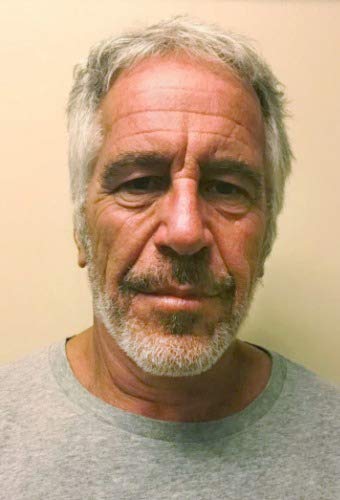
The U.S. Department of Justice has released its largest batch of Jeffrey Epstein-related documents to date, comprising over 11,000 files and nearly 30,000 pages. This release includes internal emails, court records, photos, and FBI documents that reveal new details about the investigation, including references to 10 potential co-conspirators, discussions of plea negotiations, and previously undisclosed flight records. The documents also contain the Justice Department's assertion that some claims within the files about former President Donald Trump are 'untrue and sensationalist.' This article examines the key findings and ongoing legal and political implications of this significant document release.
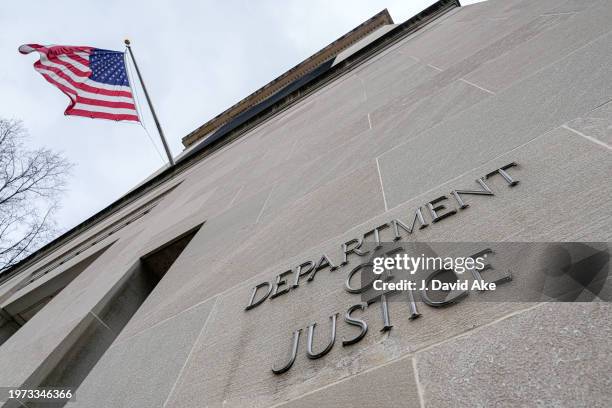
The U.S. Department of Justice (DOJ) has significantly escalated its transparency efforts regarding the Jeffrey Epstein case with the early Tuesday release of more than 11,000 additional documents and photos. This latest disclosure, the largest single batch to date, totals nearly 30,000 pages and includes a vast array of materials such as internal emails, FBI documents, court records, photographs, and news clippings. The release follows mounting pressure from lawmakers and survivors for full disclosure and provides new insights into the scope of the federal investigation, the identities of potential co-conspirators, and the complex web of associations surrounding the convicted sex offender.
Scope and Content of the Latest Release
According to the CBS News review, the newly released data set is extensive. It includes upwards of 11,000 files, many of which are multi-page documents. The materials encompass court records, internal DOJ and FBI communications, emails, photographs, spreadsheets, audio files, and hundreds of video files. A significant portion of the documents relates to the investigation following Epstein's arrest in July 2019 and the subsequent case against his associate, Ghislaine Maxwell. The DOJ stated it released the documents "out of our commitment to the law and transparency," while also noting adherence to protections for survivors of Epstein's abuse.
Key Revelations and Notable Findings
The documents contain several significant revelations that shed new light on the investigation's inner workings and the individuals involved.
References to Co-Conspirators and Plea Negotiations
Internal emails from 2019 and 2020 repeatedly reference "10 co-conspirators." A July 7, 2019, email from an FBI New York official asked for an "update on the status of the 10 CO conspirators." The response indicated attempts to locate individuals including Ghislaine Maxwell, modeling agent Jean-Luc Brunel, and billionaire Leslie Wexner. Furthermore, a November 2020 email titled "DAG Meeting Overview" revealed that the DOJ was "working on potential resolution with another Epstein co-conspirator" during the end of President Trump's first term. A related document confirmed the department was "in plea negotiations" with counsel for another individual described as an Epstein co-conspirator who "scheduled hundreds of sexual massages with minors for Epstein but was also a victim of his sexual abuse."
Flight Records and Political Figures
A notable 2020 email from an assistant U.S. attorney in the Southern District of New York indicated that flight logs revealed Donald Trump flew on Epstein's private jet "many more times" than was previously known—specifically, "at least eight flights between 1993 and 1996." The email, whose sender and recipient are redacted, noted Trump was listed as a passenger on at least four flights where Ghislaine Maxwell was also present. The DOJ addressed this directly on social media, stating that some documents "contain untrue and sensationalist claims made against President Trump that were submitted to the FBI right before the 2020 election," and that the claims were "unfounded and false."

Evidence Involving Prince Andrew
The files contain compelling evidence pointing to Britain's former Prince Andrew as "The Invisible Man" who communicated with Ghislaine Maxwell. Emails from August 2001, sent from the address abx17@dial.pipex.com and signed "A," discuss the sender being at "Balmoral Summer Camp for the Royal Family" and ask Maxwell if she had found "new inappropriate friends." The Guardian reported that the timing of a mentioned valet's death aligns with the known death of Prince Andrew's valet. In a forwarded email arranging activities in Peru, Maxwell referred to the individual as "Andrew" and described him as a "very English sounding gentleman" interested in "2 legged sight seeing."
Investigative Details and Evidence Collection
The documents highlight the immense scale of the evidence collection. FBI technical engineers in 2020 described seizing "terabytes worth of data" from Epstein's properties, including phones, tablets, servers, laptops, and desktop computers. The files also detail the unsuccessful efforts to repair a failed surveillance camera system at the Metropolitan Correctional Center in the days before Epstein's death, and the subsequent inability to recover any video footage from his tier. A Bureau of Prisons record included in the release showed Epstein was the only inmate at that facility to die by hanging in the decade from 2010 to 2020.
Controversies and Authenticity Questions
The release is not without controversy and questions regarding the authenticity of some materials.
The Fake Nassar Letter
Among the released files was a letter addressed to convicted sex offender Larry Nassar, signed "J. Epstein." The DOJ quickly took to social media to declare the letter a "fake," citing a postmark from Virginia instead of New York, an incorrect return address lacking an inmate number, and the fact it was processed after Epstein's death. The FBI had previously requested a handwriting analysis on the letter in 2020.
Political Backlash and Calls for Full Disclosure
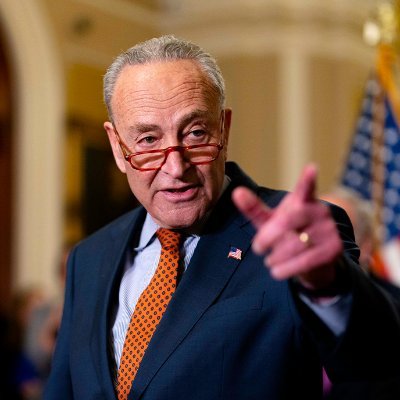
The DOJ faces continued criticism over the pace and scope of the releases. A group of survivors issued a statement calling the disclosed material "a fraction of the files" and criticizing "abnormal and extreme redactions." Senate Democratic Leader Chuck Schumer introduced a resolution to direct the Senate to initiate legal actions to compel DOJ compliance. He also urged the DOJ to "shed more light on who was on the [co-conspirator] list, how they were involved, and why they chose not to prosecute."
Conclusion and Ongoing Implications
The release of over 11,000 new documents marks a pivotal moment in the long-running effort to achieve transparency in the Epstein case. While providing previously unseen details about the investigation's scope—including plea negotiations, evidence challenges, and high-profile associations—the documents also raise new questions. The DOJ's simultaneous dismissal of certain claims underscores the politically charged nature of the information. The pressure from Congress and survivor advocates ensures that this release is unlikely to be the final chapter, as calls for the complete and unredacted disclosure of all Epstein-related files grow louder. The legal and political ramifications of these disclosures will continue to unfold, impacting public trust and accountability within the justice system.