Trump's $250 Million White House Ballroom: A Monumental Addition to Presidential History
President Donald Trump is overseeing the construction of a massive 90,000-square-foot ballroom addition to the White House, funded entirely by private donations totaling $250 million. The new entertainment space will nearly double the size of the main White House building and accommodate up to 999 guests, representing one of the most significant structural changes to the presidential residence in decades. Construction has begun with the demolition of part of the East Wing facade, despite initial assurances that no demolition would occur.
The White House is undergoing one of its most dramatic transformations in recent history with the construction of a $250 million ballroom addition initiated by President Donald Trump. This ambitious project, which began construction in October 2025, represents a significant expansion of the presidential residence and has sparked considerable discussion about the evolution of the White House as both a functional workspace and symbolic American institution.
The Scale and Scope of the Project
The new ballroom will span an impressive 90,000 square feet, making it nearly double the size of the main White House building itself. According to PBS NewsHour reporting, the space is designed to accommodate 999 people, a substantial increase from the original plan for 650 guests. President Trump has emphasized that the White House requires a larger entertaining space, having expressed dissatisfaction with the current largest room, the East Room, which holds approximately 200 people.
Funding and Financial Arrangements
One of the most notable aspects of this project is its funding mechanism. The $250 million construction cost is being covered entirely by private donations, with no taxpayer money involved according to White House statements. President Trump announced on social media that the ballroom is being funded by "many generous Patriots, Great American Companies, and, yours truly." However, the White House has not released a comprehensive list of donors or detailed breakdown of funding sources.

Construction Controversies and Process
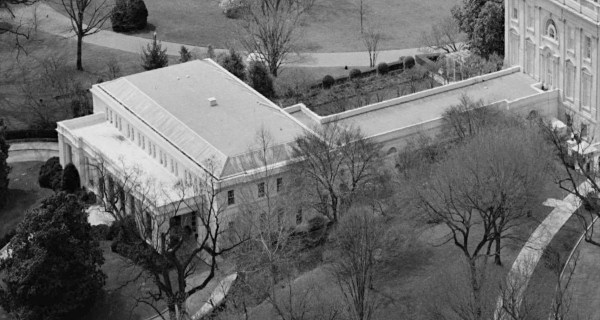
The project has generated controversy due to the demolition of part of the East Wing facade, despite initial assurances from both President Trump and his chief spokesperson Karoline Leavitt that "nothing will be torn down" during construction. The White House later clarified that some demolition was necessary as part of modernizing the East Wing, which traditionally houses the first lady's staff and serves as the entry point for White House events.
Architectural Design and Features
Renderings released by the White House indicate the new ballroom will bear strong resemblance to the gilded ballroom at Mar-a-Lago, Trump's private club in Palm Beach, Florida. The design includes bulletproof windows and will connect to the existing East Room through a passageway created by removing a set of windows. The White House has set an ambitious completion timeline, aiming to have the ballroom operational before President Trump's second term ends in January 2029.
Historical Context of White House Renovations
This project continues a long tradition of presidential additions and modifications to the White House. Historical changes include Thomas Jefferson's addition of the east and west colonnades, Andrew Jackson's construction of the North Portico, and Theodore Roosevelt's creation of the West Wing. The most comprehensive renovation occurred under Harry Truman from 1948-1952, when the mansion was completely gutted and rebuilt due to structural concerns.
The $250 million ballroom project represents both a practical expansion of White House entertaining capabilities and a significant chapter in the ongoing evolution of America's most famous residence. As construction progresses, the project continues to draw attention to the balance between preserving historical integrity and adapting the White House to meet contemporary presidential needs.