Read on nature.com
Understanding Scientific Corrections: The Case of the RNA Nanocage Structure
A recent author correction in the journal Nature highlights the meticulous process of scientific publishing. The correction addresses minor color-coding errors in figures depicting the cryo-electron microscopy structure of a natural RNA nanocage. This article explains the significance of such corrections, the role of cryo-EM in structural biology, and what this RNA nanocage discovery means for the future of nanotechnology and medicine. We explore how transparency in correcting published data upholds the integrity of scientific research.
The publication of scientific research is not the final step in the discovery process; it is part of an ongoing dialogue of verification and refinement. A recent example is the author correction published in Nature on December 19, 2025, for the article "Cryo-EM structure of a natural RNA nanocage." This correction, while addressing specific visual details in the published figures, offers a window into the rigorous standards of modern scientific communication and the exciting field of RNA nanotechnology.
The Nature of the Correction
The correction, detailed in the publication doi:10.1038/s41586-025-10022-0, pertains to the original article published on June 16, 2025. It specifies errors in the color-coding of several figures (Figs. 2a, 3c, and 5c). For instance, the colors of dark green and pink boxes were switched in one figure, and the color assignments for representing different structural regions were reversed in others. The authors have provided corrected versions in the HTML and PDF of the article, while also making the original, uncorrected figures available in the supplementary information for transparency.
The Significance of Cryo-EM in Structural Biology
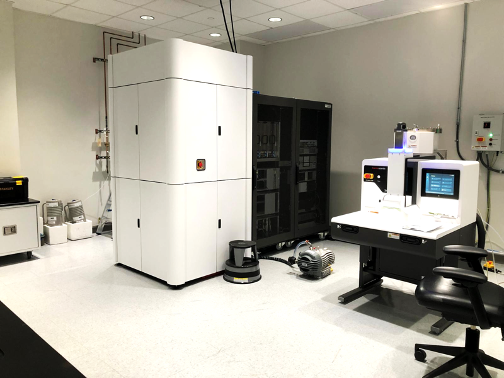
The original research centers on using cryo-electron microscopy (cryo-EM), a revolutionary technique that allows scientists to visualize the three-dimensional structures of biological molecules at near-atomic resolution. Unlike traditional methods, cryo-EM flash-freezes samples, preserving them in a near-native state. This technique was crucial for determining the precise architecture of the natural RNA nanocage—a tiny, cage-like structure built entirely from RNA molecules.

What is an RNA Nanocage and Why Does It Matter?
RNA nanocages are self-assembling structures formed by RNA strands. The discovery of a natural RNA nanocage, as reported in the corrected study, is particularly significant. It demonstrates that nature has already evolved sophisticated nanoscale containers made of RNA. These structures hold immense potential for various applications. They could be engineered as targeted drug delivery vehicles, transporting therapeutic molecules directly to diseased cells while minimizing side effects. They might also serve as nanoreactors for biochemical synthesis or as scaffolds for building more complex nanomachines.
The Importance of Corrections in Scientific Publishing
The publication of an author correction is a standard and vital practice in academic journals. It underscores the commitment to accuracy and the self-correcting nature of science. Errors, even seemingly minor ones like color misassignments in a figure, are important to correct because they ensure the scientific record is precise and reproducible. Other researchers relying on this work for their own studies need accurate data. The proactive issuance of a correction, with clear documentation of the changes, maintains the integrity of the published literature and builds trust in the scientific process.
Transparency and the Scientific Record
By providing the original figures in the supplementary information, the authors and the journal (Nature) practice full transparency. This allows the scientific community to see exactly what was changed and understand the context of the correction. This level of openness is a cornerstone of rigorous research.

Conclusion
The correction to the "Cryo-EM structure of a natural RNA nanocage" article is more than a minor administrative update. It represents the careful, iterative work of science and highlights a groundbreaking discovery in nanotechnology. The use of cryo-EM to unveil a natural RNA-based cage opens new avenues for biomedicine and materials science. Furthermore, the process of issuing and documenting the correction reinforces the essential principles of accuracy and transparency that allow scientific knowledge to advance reliably. As research in this field continues, such foundational work, meticulously corrected and recorded, paves the way for future innovations.