Climate Change Progress: Moving Too Slowly on All Fronts
A comprehensive report from leading climate organizations reveals that global efforts to combat climate change are progressing far too slowly across virtually all key metrics. Despite some positive developments in renewable energy adoption, the world remains significantly off-track from meeting the Paris Agreement's 1.5°C warming target. The analysis of 45 economic and environmental sectors shows most indicators are either 'off track' or 'well off track,' with several actually moving in the wrong direction, highlighting the urgent need for accelerated action.
Despite nearly a decade of international climate agreements and growing public awareness, efforts to combat climate change are progressing at an alarmingly slow pace across virtually all measurable fronts. According to a comprehensive report from a coalition of climate organizations including the World Resources Institute, humanity continues to lag behind the necessary trajectory to prevent the most catastrophic effects of global warming. As researcher Clea Shumer starkly noted, "All systems are flashing red" when it comes to climate progress indicators.

The Paris Agreement Gap
The Paris Agreement, signed nearly ten years ago, established the ambitious goal of limiting global warming to 1.5 degrees Celsius above preindustrial levels by the end of this century. However, the recent assessment reveals a troubling reality: none of the 45 indicators measured across global economic and environmental sectors are currently on track to meet this critical target. The report categorizes progress into several tiers, with six indicators classified as "off track" (progress occurring but too slowly), nearly 30 as "well off track" (progress much too slow), and five actually moving in the "wrong direction" (situation worsening rather than improving).
Critical Sectors Falling Behind
One of the most concerning areas of insufficient progress involves coal phaseout efforts. Despite coal's declining share in global electricity generation, total coal consumption actually reached record highs in 2024 due to growing electricity demand, particularly in China and India. As Shumer emphasized, "We simply will not limit warming to 1.5 degrees if coal use keeps breaking records." The scale of change needed is staggering—requiring a tenfold increase in coal phaseout pace, which would mean shutting down more than 360 medium-sized coal plants annually and canceling all coal-fired power plants currently in development pipelines worldwide.

Mixed Signals in Clean Technology
The electric vehicle sector presents a particularly telling case study of progress and setbacks. While EV adoption represented a rare bright spot in previous assessments, with electric vehicles accounting for nearly 20% of new passenger car sales in 2023 (a remarkable increase from less than 1% when the Paris Agreement was signed), this progress has recently stalled. Despite continued strong performance in Chinese markets, where EVs now comprise almost half of new car purchases, sales have slowed in key markets including the European Union and United States. This backslide surprised climate experts who had viewed EV adoption as one of the more promising areas of climate progress.
Political Headwinds and Economic Realities
The report emerges amid concerning political developments, particularly in the United States, where the current administration has withdrawn from the Paris Agreement for the second time and launched attacks on multiple climate initiatives. The administration has removed tax credits for electric vehicle buyers, frozen funding for charging infrastructure development, and actively promoted coal while pulling support from renewable energy projects. These policy reversals threaten to undermine global climate efforts at a time when accelerated action is critically needed.
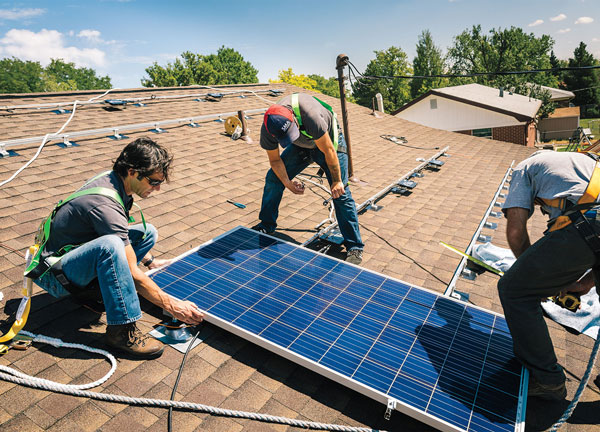
Despite these challenges, the report does highlight some positive developments. Solar power installation saw a 33% increase globally in 2024 compared to the previous year, with China driving much of this growth by installing twice as much solar capacity as the entire United States has deployed to date. Private climate finance has also shown improvement, upgrading from "well off track" to "off track" status as businesses and financial institutions increasingly recognize the economic benefits of clean energy investments.
The comprehensive assessment underscores the urgent need for accelerated action across all sectors. With most indicators showing insufficient progress and several actually moving backward, the window for meeting the Paris Agreement targets continues to narrow. As the report makes clear, while the world is largely "doing the right things" in terms of climate action, the pace remains dangerously inadequate to avert the most severe consequences of climate change.