Calais-Caudry Lace Pursues European Geographical Indication Status for Enhanced Protection
The renowned Dentelle de Calais-Caudry, already protected as a geographical indication in France, has initiated the process to secure European Geographical Indication status. This strategic move aims to combat counterfeits and provide legal protection across all 27 EU member states under the new simplified procedure introduced by Regulation 2024/1143, which extends protection to artisanal and industrial products starting December 1, 2025.
The prestigious Dentelle de Calais-Caudry, long celebrated for its exceptional craftsmanship and heritage, has taken a significant step toward securing European Geographical Indication (GI) status. This initiative represents a crucial advancement in protecting the distinctive identity of Calais-Caudry lace against inferior counterfeits that have increasingly threatened both its reputation and commercial viability.

Expanding Protection Across Europe
The timing of this application coincides with the European Union's introduction of a simplified procedure under Regulation 2024/1143, which takes effect from December 1, 2025. This new framework governs geographical indications and protected designations of origin across all EU Member States. Crucially, the regulation extends protection to artisanal, manufactured, and industrial products, whereas previously such safeguards were primarily reserved for agricultural produce, foodstuffs, and spirits.
The Dentelliers de Calais-Caudry have formally submitted their application to the French National Institute of Industrial Property (INPI), which serves as the gateway for forwarding applications to the European Union Intellectual Property Office (EUIPO). This procedural step marks the beginning of a comprehensive evaluation process that could grant the lacemakers legal protection throughout the entire European Union.
Historical Context and Industry Significance
Calais-Caudry lace represents more than two centuries of specialized craftsmanship, distinguished by its production on imposing, complex Leavers looms that lend their name to the distinctive lace they create. The journey toward formal recognition began with the "Dentelle de Calais" label in 1958, which evolved into "Dentelle de Calais-Caudry" in 2015 to encompass manufacturers from the Caudry region.
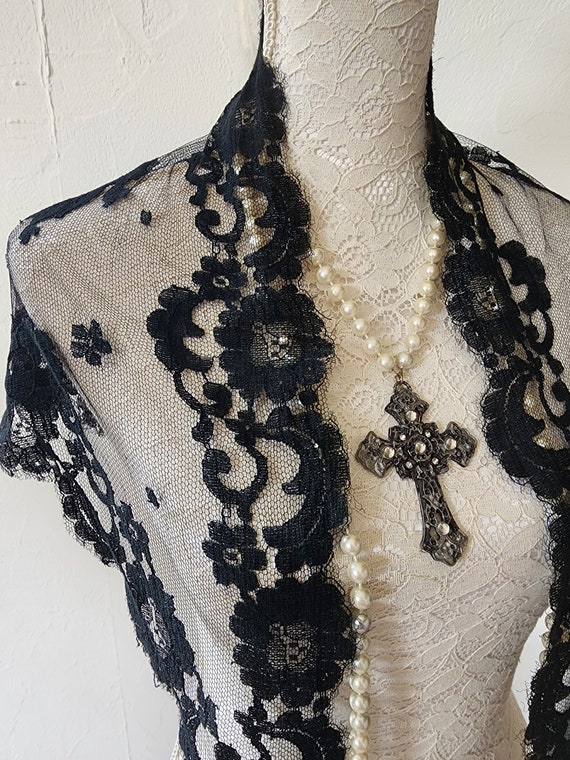
The achievement of French protected geographical indication status in early 2024 culminated five years of dedicated effort by industry representatives. This milestone established a foundation for distinguishing and preserving the unique know-how that defines Calais-Caudry lace production. The current push for European recognition builds upon this domestic success, addressing the persistent challenge of low-quality counterfeits that undermine both the artistic integrity and economic sustainability of genuine Calais-Caudry lace.
Industry Impact and Future Prospects
The European Geographical Indication status promises substantial benefits for the Calais-Caudry lace industry. By obtaining this recognition, lacemakers will gain comprehensive legal protection across all 27 EU countries, enabling more effective action against counterfeit products that damage their brand image and sales performance. The label anticipates that this guarantee of authenticity and quality will reassure designers, stylists, and lace enthusiasts while simultaneously accelerating international development opportunities.
Today, Calais-Caudry lace production continues through several established manufacturers, including Codentel, Cosetex, Noyon (Darquer), and Sophie Hallette / Riechers Marescot in Calais, with additional production facilities in Caudry operated by Beauvillain Davoine, Darquer & Méry, Dentelles André Laude, Dentelles MC, Jean Bracq, and Solstiss. The European GI status represents not merely legal protection but a strategic investment in preserving these specialized trades and the cultural heritage they represent.
The pursuit of European Geographical Indication status for Dentelle de Calais-Caudry demonstrates the evolving landscape of intellectual property protection for traditional crafts. As the EU expands its protection framework to include artisanal and industrial products, this initiative sets a precedent for other heritage industries seeking to safeguard their unique identities in an increasingly globalized marketplace. The successful acquisition of European GI status would not only protect Calais-Caudry lace from counterfeit threats but would also reinforce its position as a symbol of European cultural excellence and artisanal achievement.