China Responds to Trump's 100% Tariff Threat, Vows Not to Back Down
China has issued its first official response to President Donald Trump's threat to impose 100% tariffs on Chinese imports by November 1, stating it will not back down from the escalating trade confrontation. The Commerce Ministry emphasized China's consistent stance of preferring negotiations over threats while warning of reciprocal measures if the U.S. proceeds with the tariff hike. The dispute centers on China's new restrictions on rare earth exports, materials critical to both consumer electronics and military applications, with U.S. Vice President JD Vance defending Trump's position as necessary for American economic security.
China has broken its silence on President Donald Trump's recent threat to impose 100% tariffs on Chinese imports, delivering a firm response that signals no retreat from the escalating trade confrontation. The Commerce Ministry's statement marks Beijing's first official comment on Trump's proposed tariff hike scheduled for November 1, setting the stage for renewed tensions between the world's two largest economies.

China's Official Stance
The Chinese Commerce Ministry issued a clear statement emphasizing its consistent position in trade negotiations. "China's stance is consistent," the ministry declared in an online post. "We do not want a tariff war but we are not afraid of one." This carefully worded response reflects Beijing's dual approach of maintaining openness to dialogue while demonstrating resolve in protecting its economic interests.
The ministry specifically addressed the Trump administration's tactics, stating that "frequently resorting to the threat of high tariffs is not the correct way to get along with China." The statement, presented as answers from an unnamed spokesperson to media questions, called for addressing concerns through diplomatic channels rather than confrontational measures.
Rare Earths at the Center of Dispute
The immediate trigger for Trump's tariff threat stems from China's recent implementation of new restrictions on rare earth exports. These minerals are vital components in numerous high-tech products, from consumer electronics like smartphones and laptops to advanced military equipment including jet engines and radar systems. China's dominant position in the rare earth market gives it significant leverage in trade negotiations.

According to the Commerce Ministry statement, export licenses for legitimate civilian uses of rare earths will continue to be granted, while acknowledging the materials' dual-use potential for military applications. The new regulations require foreign companies to obtain Chinese government approval for exporting items containing rare earths sourced from China, regardless of where the final products are manufactured.
U.S. Position and Response
U.S. Vice President JD Vance defended the Trump administration's approach in television appearances, characterizing China's control over critical supply chains as a national emergency justifying strong tariff measures. "The fact that China has so much control over critical supply in the United States of America is the definition of a national emergency," Vance stated during an interview on Fox News Channel.
Vance outlined the administration's perspective on the escalating situation, noting that "it's going to be delicate dance and a lot of it is going to depend on how the Chinese respond." He emphasized Trump's willingness to negotiate while warning that the U.S. president holds "far more cards than the People's Republic of China" in any potential trade confrontation.
Broader Implications and Reciprocal Measures
The exchange threatens to derail potential high-level meetings between Trump and Chinese leader Xi Jinping and could end the current truce in the ongoing trade war. Both nations have accused each other of violating the spirit of previous agreements by implementing new trade restrictions.
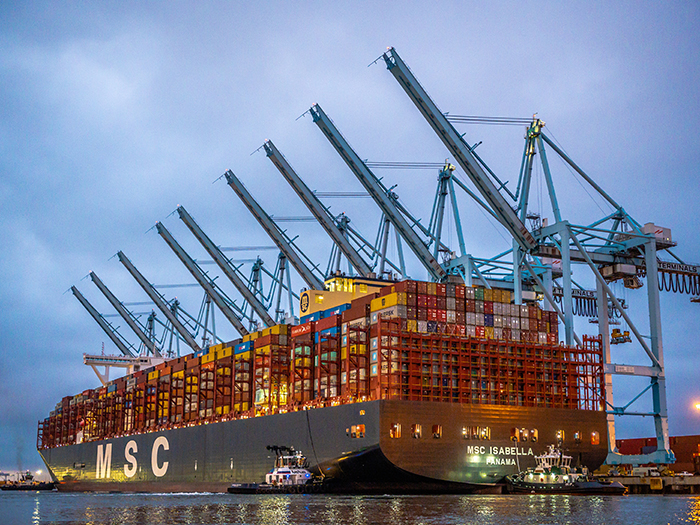
China has already announced reciprocal measures, including imposing port fees on American ships in response to similar fees the U.S. plans to implement on Chinese vessels. The Commerce Ministry statement warned that "if the U.S. side obstinately insists on its practice, China will be sure to resolutely take corresponding measures to safeguard its legitimate rights and interests."
The situation represents a significant test for both nations' trade policies, with potential consequences for global supply chains and international economic stability. As the November 1 deadline approaches, the world watches to see whether diplomatic channels can prevent another escalation in the ongoing trade tensions between these economic superpowers.