Read on FashionNetwork.com
Italian Footwear Sector Shows Early Signs of Recovery After Challenging Year
Italy's prestigious footwear industry is beginning to show encouraging signs of stabilization after a difficult year. While the sector is projected to contract by 3.1% overall in 2025, the third quarter's modest 0.9% decline represents a significant improvement over the steep drops experienced earlier in the year. This emerging resilience highlights the strength of Made in Italy craftsmanship and strategic market positioning, particularly in European and Middle Eastern markets, despite ongoing challenges in Asia and uncertainty surrounding US tariffs.
The Italian footwear industry, renowned globally for its craftsmanship and design excellence, is demonstrating early signs of recovery following a period of significant contraction. According to data from Assocalzaturifici, the Italian Footwear Manufacturers' Association, the sector is projected to decline by 3.1% in 2025. However, a closer examination of quarterly performance reveals a more nuanced and hopeful picture. The third quarter of the year concluded with a contraction of just 0.9%, a markedly better result than the severe downturns recorded in the first half. This slowing decline suggests the industry may be navigating toward a more stable footing, leveraging its core strengths in a complex global market.

A Glimmer of Light in a Complex Landscape
Giovanna Ceolini, President of Assocalzaturifici, characterized the current environment as "complex," affecting even the high-end segment of the market. Despite this, the third-quarter figures indicate a deceleration in the sector's decline. "The third-quarter figures point to a slowing of the decline and a first glimmer of light at the end of the recessionary tunnel," Ceolini stated. This resilience is attributed to the industry's ability to maintain a strong position in core European markets while successfully capturing growing demand in dynamic regions like the Middle East. These strategic footholds are considered crucial for navigating the uncertainties expected in 2026.
Export Performance: A Tale of Two Metrics
A detailed look at foreign trade data from the first eight months of 2025 reveals important trends. The total value of footwear exports reached 7.72 billion euros, representing a 1.3% decrease. However, the volume of exports tells a more positive story: 131.8 million pairs were sold abroad, marking a 4.3% increase. This recovery in volume was accompanied by a normalization of average prices, which fell to 58.58 euros per pair (a 5.3% decrease). This price correction follows the double-digit increases seen in 2022 and 2023, suggesting a market adjustment toward more sustainable levels.
Regional Market Analysis
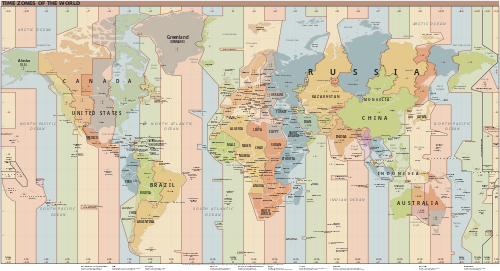
The performance across different global regions has been uneven, highlighting both strengths and ongoing challenges for Italian shoemakers.
European Union: A Pillar of Stability
The European Union remains the cornerstone of Italy's footwear exports, absorbing seven out of every ten pairs sold abroad. The EU market showed growth in both value (+2.2%) and volume (+7.6%) during the review period. Germany stood out with particularly solid results, recording a 6% increase in value and a 10% rise in the number of pairs sold. Other EU nations, including Spain, Poland, Belgium, and Austria, also posted positive results, reinforcing Europe's role as a stable and reliable market.
Middle East: Dynamic Growth
Outside the EU, the Middle East emerged as the most dynamic region, with the overall value of exports rising by 13%. This surge was significantly driven by exceptional performance in the United Arab Emirates, which saw a 20% increase. Other markets like Turkey and Mexico also delivered positive results, indicating successful diversification efforts by Italian brands.
Challenges in Asia and the CIS
In contrast, the Far East region remains under considerable pressure, contracting by more than 20% in both volume and value. This decline is largely attributed to a sharp slowdown in China, where export value fell by 24.6%, with similar downturns in Hong Kong, Japan, and South Korea. The CIS region also faced difficulties, declining by 9.2% overall, with Russia experiencing a steep 17.8% drop, continuing to be hampered by geopolitical conflict.
The US Market and Tariff Uncertainty
The United States market presents a mixed and cautiously watched picture. For the first eight months of 2025, exports to the US grew by 2.9% in value, but this was accompanied by a 4.2% decline in volume. The sector is carefully assessing the impact of tariffs established under the US-EU agreement. While August saw a discouraging 17.8% drop in value, preliminary data for September showed an unexpected degree of market responsiveness. According to Assocalzaturifici, 55% of member companies exporting to the US consider the effects of the tariffs to be significant, with one in five companies facing severe difficulties as a result.
Conclusion: Resilience and Cautious Optimism
The Italian footwear sector's journey through 2025 illustrates a narrative of resilience amidst global headwinds. While the full-year projection indicates a contraction, the improving trend from the first half to the third quarter is a critical positive signal. The industry's enduring strengths—its deep roots in European markets, its successful forays into growing regions like the Middle East, and the unwavering appeal of the Made in Italy brand—are providing a foundation for stabilization. As noted by industry leadership, the overall picture remains complex, with significant challenges in Asia and uncertainty surrounding US trade policy. However, the slowing rate of decline offers a "first glimmer of light" and suggests that the sector's renowned craftsmanship and strategic adaptability will be key to navigating the path ahead in 2026 and beyond.