Read on FashionNetwork.com
Digital Product Passports: The EU's New Tool to Combat Fashion Greenwashing
The European Union is set to introduce mandatory digital product passports (DPPs) for clothing, a regulatory move aimed at ending greenwashing in the $1.7 trillion fashion industry. These digital passports will allow consumers to scan a QR code and access verified data on a garment's materials, energy and water usage, chemical inputs, and supply chain participants. With initial requirements potentially impacting major exporters like Bangladesh by 2027, the initiative promises unprecedented transparency but poses significant challenges for manufacturers, particularly smaller suppliers who must upgrade their data management systems.
The global fashion industry, valued at $1.7 trillion, stands on the brink of a regulatory revolution. The European Union is pioneering a move to mandate digital product passports (DPPs) for clothing, a policy designed to replace vague sustainability claims with verifiable, granular data. This initiative directly targets the pervasive issue of greenwashing, where brands overstate their environmental credentials. By requiring a scannable digital record for each garment, the EU aims to empower consumers with transparency and hold the entire supply chain accountable for its environmental footprint.

What is a Digital Product Passport?
A Digital Product Passport is a digital record attached to a physical product. For fashion, it will be accessible to consumers via a QR code or electronic tag on the garment's label. This passport will not be a simple marketing tool; it is intended as a standardized, verifiable ledger of a product's lifecycle. The data will provide a clear breakdown of what the clothes are made from, the quantities of energy, water, and chemicals consumed during production, and a map of the entities involved at each stage, from raw material sourcing to the finished item.
The Drive for Transparency and the Fight Against Greenwashing
The push for DPPs stems from growing consumer demand for sustainability and regulatory action against misleading environmental claims. As noted by industry experts, providing "authentic and traceable data from across the supply chain is key to stop the problem of greenwashing." A 2023 report by Greenpeace highlighted instances where brands misled consumers, such as promoting recycled content that primarily came from plastic bottles rather than textile waste. The DPP system is designed to prevent such practices by making verified data the cornerstone of any green claim.
Global Impact and the Bangladesh Example
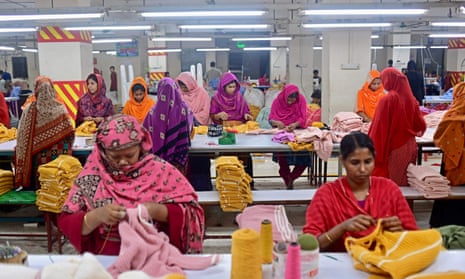
The EU's regulations will have a profound global impact, particularly on major apparel-exporting nations. Analysis suggests that textile suppliers from Bangladesh—the world's second-largest apparel exporter—may need to comply with an initial version of the passport as early as 2027. This presents both an opportunity and a significant challenge. For larger manufacturers, it is seen as a "key tool to provide granular records" and meet consumer expectations. However, smaller manufacturers, who constitute a large portion of Bangladesh's roughly 3,320 export-oriented factories, are "far from ready" to meet these stringent new data requirements.
Technological Implementation and Data Challenges
Implementing DPPs requires robust technological infrastructure. The system envisions a collaborative data upload process where every entity in the chain—cotton ginners, dye factories, washers, and final garment makers—contributes verified information in real time for each production batch. Technology firms are already partnering with suppliers to develop solutions. For example, some companies are utilizing decentralized blockchain platforms to create immutable records, generating a unique QR code for the final consumer. A critical feature of these systems is giving manufacturers control over what data they disclose to brands and consumers, ensuring they retain ownership of their information.
The Road Ahead for Manufacturers
Adopting DPPs will necessitate a substantial upgrade in hardware, software, and data management practices for many suppliers. Industry leaders emphasize that smaller manufacturers, in particular, will need support from global fashion brands, development organizations, and their own governments to build this capacity. Pilot studies and training programs are being rolled out to help businesses adapt. The consensus is that for this transparency initiative to succeed without crippling a vital industry, the transition must be collaborative, with incentives for early adopters and shared responsibility across the value chain.

Conclusion
The EU's move toward mandatory digital product passports marks a definitive shift from voluntary sustainability reporting to compulsory, item-level transparency. While the path to implementation is complex, especially for smaller suppliers in key manufacturing hubs, the potential benefits are substantial. This policy could finally provide consumers with the trustworthy information they need to make informed choices and drive genuine environmental improvement in fashion. The success of this ambitious project will depend on equitable support for manufacturers and a unified commitment to eradicating greenwashing, paving the way for a more accountable and sustainable industry.