Fuel Price Protests Test Ecuador's President Amid Nationwide Strikes
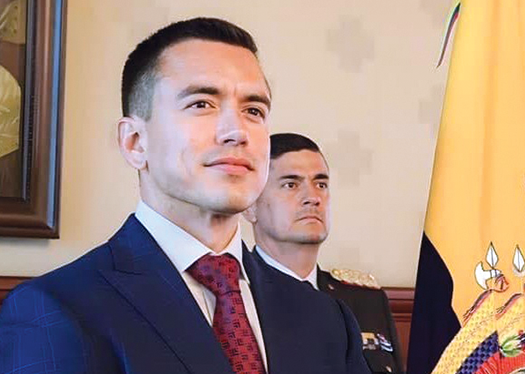
Ecuador faces escalating social unrest as nationwide protests over fuel price hikes enter their third week. Indigenous organizations launched strikes 21 days ago following the government's removal of a diesel subsidy that increased prices from $1.80 to $2.80 per gallon. The demonstrations have turned violent in Quito, with protesters clashing with police and President Daniel Noboa responding with emergency measures across ten provinces.
Ecuador is experiencing significant social unrest as nationwide protests over fuel price increases continue to challenge President Daniel Noboa's administration. The latest confrontation occurred Sunday in Quito, where demonstrators spilled into the streets, burning tires, blocking roads, and facing off against police officers who responded with tear gas volleys.

Origins of the Fuel Crisis
The current wave of protests began 21 days ago when Ecuador's largest Indigenous organization called for nationwide strikes in response to the government's decision to remove a fuel subsidy. This policy change dramatically increased diesel prices from $1.80 to $2.80 per gallon, representing a 56% price hike that has particularly affected Indigenous communities working in agriculture, fishing, and transportation sectors.
Government Response and Escalation
President Noboa has taken firm measures in response to the unrest, imposing a state of emergency in ten provinces and restricting public gatherings in Quito and other affected areas. The government maintains that eliminating the $1.1 billion subsidy was necessary to shore up Ecuador's finances and combat rampant fuel smuggling across borders into Colombia and Peru.
Recent Developments and Tensions
The protests have intensified in recent weeks, with one civilian reported killed, dozens injured, and over a hundred arrested in clashes with police. Last week marked a significant escalation when protesters attacked President Noboa's motorcade with rocks. Sunday's demonstration in the capital coincided with the Day of Interculturality and Plurinationality, adding symbolic weight to the Indigenous-led protests.
As reported by the Associated Press, union leader Nelson Erazo characterized the movement as rising up against what he called "neoliberal and hunger-inducing policies of the dictator Noboa," referencing both the subsidy removal and other recent cost-cutting measures including the dismissal of thousands of public workers.
Political Standoff Continues
Despite touring restive regions and providing bonuses to cash-strapped farmers and public transport workers, President Noboa has refused to negotiate with the Indigenous federation. This political standoff reflects deeper tensions in Ecuador's democracy as the government balances fiscal responsibility with social welfare concerns.
The ongoing protests represent one of the most significant challenges to President Noboa's administration, testing both his political authority and the stability of Ecuador's democratic institutions. As the strikes continue into their fourth week, the nation watches closely to see whether compromise or further confrontation will define Ecuador's immediate political future.